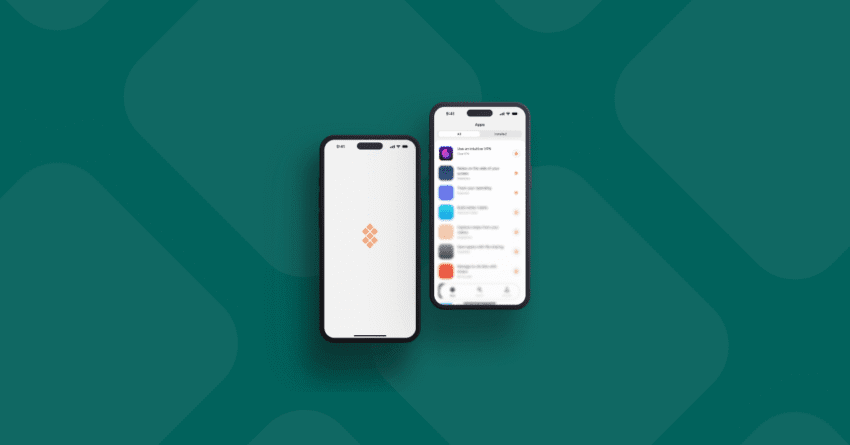
one of the first alternative app stores Setapp Mobile, one of the pioneering alternative app stores in the European Union, is set to cease operations next month, primarily due to the continuously evolving terms imposed by Apple.
one of the first alternative app stores
Background on Setapp Mobile
Founded in 2021, Setapp Mobile emerged as a response to the increasing demand for alternative app distribution methods outside of the traditional app store ecosystems dominated by major players like Apple and Google. The platform aimed to provide developers with a more flexible and accessible way to distribute their applications, particularly for mobile devices. Setapp Mobile distinguished itself by offering a subscription model that allowed users to access a wide range of apps for a fixed monthly fee, thereby providing an alternative to the pay-per-app model prevalent in conventional app stores.
The app store quickly gained traction among developers and users alike, particularly in Europe, where regulatory changes began to favor alternative app distribution methods. The European Union has been actively pursuing legislation aimed at increasing competition in the digital marketplace, which has included discussions around the Digital Markets Act (DMA) and the Digital Services Act (DSA). These regulatory frameworks were designed to create a more level playing field for smaller developers and alternative platforms.
Reasons for Shutdown
Despite its initial success and the favorable regulatory environment, Setapp Mobile has announced that it will shut down operations next month. The primary reason cited for this decision is the “ever-changing terms” imposed by Apple, which have created an unpredictable landscape for alternative app stores. Apple has long maintained strict control over its App Store, enforcing guidelines that dictate how apps can be distributed, monetized, and updated. This has often led to conflicts with developers who seek more freedom in how they manage their applications.
Impact of Apple’s Policies
Apple’s policies have been a significant barrier for alternative app stores like Setapp Mobile. The company has been known to change its App Store guidelines frequently, which can affect how apps are marketed and sold. For instance, Apple has faced criticism for its 30% commission on app sales and in-app purchases, a fee that many developers argue is excessive. This has prompted a growing number of developers to explore alternative distribution methods, including direct downloads and third-party app stores.
However, the challenges posed by Apple’s policies extend beyond financial considerations. The unpredictability of Apple’s guidelines has made it difficult for alternative app stores to establish a stable business model. Developers who rely on these platforms for distribution face the risk of sudden changes that could impact their revenue streams and user engagement. As a result, many have opted to withdraw from alternative platforms altogether, further diminishing their viability.
Market Reactions
The announcement of Setapp Mobile’s impending shutdown has elicited a range of reactions from stakeholders in the tech industry. Many developers who had embraced the platform expressed disappointment, citing the loss of a valuable distribution channel. “Setapp Mobile offered us a unique opportunity to reach users who might not have found our apps through the traditional App Store,” said one developer who wished to remain anonymous. “Its closure is a setback for those of us looking for alternatives to the status quo.”
Industry analysts have also weighed in on the implications of Setapp Mobile’s shutdown. Some view it as a cautionary tale about the challenges faced by alternative app stores in a landscape dominated by a few major players. “The closure of Setapp Mobile underscores the difficulties that alternative platforms face in competing with giants like Apple and Google,” noted a tech analyst. “Without a more stable regulatory environment, it’s hard to see how other alternative app stores can survive.”
Developer Perspectives
Developers have long voiced their frustrations regarding the limitations imposed by traditional app stores. Many have expressed a desire for more equitable revenue-sharing models and greater control over their applications. The closure of Setapp Mobile has reignited discussions about the need for reform in the app distribution landscape. Some developers are now calling for more robust support from regulatory bodies to ensure that alternative app stores can thrive.
One developer, who had previously launched several apps on Setapp Mobile, stated, “We need more options for distributing our apps. The current system is too restrictive, and it’s stifling innovation. Setapp Mobile was a step in the right direction, but it seems like the odds are stacked against us.”
Regulatory Landscape in the EU
The European Union has been actively working to create a more competitive digital marketplace, which includes efforts to support alternative app stores. The Digital Markets Act (DMA), which aims to prevent anti-competitive practices by major tech companies, is one of the key pieces of legislation that could benefit alternative platforms. The DMA is designed to ensure that gatekeepers, such as Apple and Google, do not abuse their market power to stifle competition.
However, the effectiveness of these regulations remains to be seen. While the EU has made strides in promoting competition, the rapid pace of technological change and the influence of major players like Apple complicate the landscape. The closure of Setapp Mobile serves as a reminder that regulatory efforts must be accompanied by tangible support for alternative platforms to ensure their survival.
Future of Alternative App Stores
The future of alternative app stores in the EU is uncertain, especially in light of Setapp Mobile’s closure. While there is a clear demand for alternatives to traditional app stores, the challenges posed by major players and shifting regulatory frameworks create a precarious environment. Other alternative app stores may emerge, but they will need to navigate the same hurdles that Setapp Mobile faced.
Some industry experts believe that the key to the survival of alternative app stores lies in collaboration among developers, regulators, and platform providers. By working together, stakeholders can create an ecosystem that fosters innovation and competition. “We need to find ways to support alternative app stores through partnerships and collaborative initiatives,” suggested a tech policy expert. “Only then can we hope to create a more diverse app distribution landscape.”
Conclusion
The impending shutdown of Setapp Mobile marks a significant moment in the ongoing struggle for alternative app distribution methods in the EU. While the platform offered a promising alternative to traditional app stores, the challenges posed by Apple’s ever-changing policies ultimately proved insurmountable. As the tech industry continues to evolve, the need for diverse and equitable app distribution models remains critical. The closure of Setapp Mobile serves as a reminder of the work that still needs to be done to create a more competitive digital marketplace.
Source: Original report
Was this helpful?
Last Modified: January 21, 2026 at 3:37 am
3 views