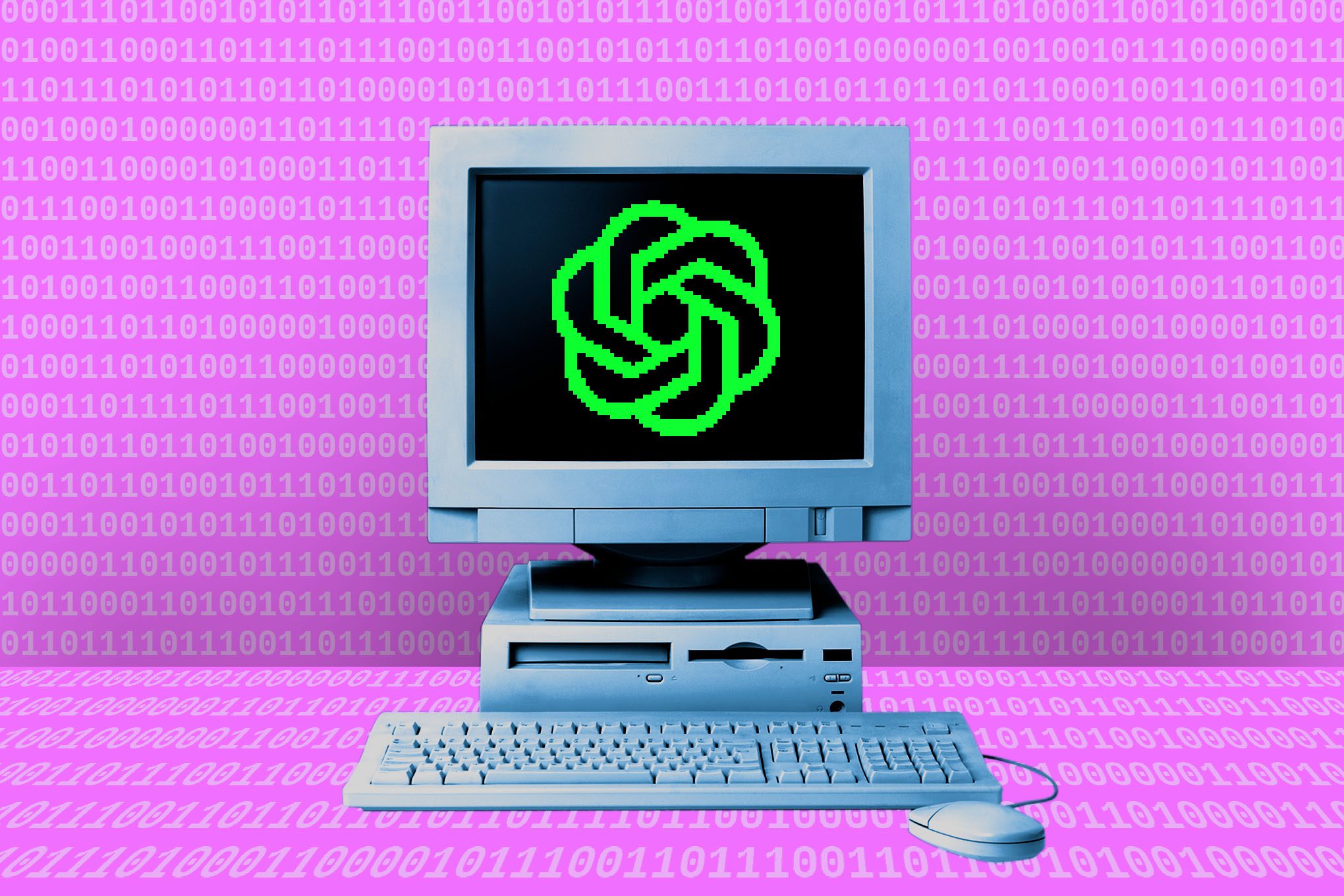
nvidia sells tiny new computer that puts Nvidia has officially announced the launch of its new desktop AI computer, the DGX Spark, which promises to deliver substantial computing power in a compact form factor.
nvidia sells tiny new computer that puts
Overview of the DGX Spark
On October 15, 2025, Nvidia will start accepting orders for the DGX Spark, a groundbreaking desktop AI computer priced at $4,000. This innovative machine boasts an impressive one petaflop of computing performance and is equipped with 128GB of unified memory. The compact design allows it to fit comfortably on a desk, making it accessible for developers and researchers who require powerful AI capabilities without the need for bulky hardware.
Key Features
The DGX Spark is designed to cater to the growing demand for advanced AI development tools. Its standout feature is the large integrated memory, which enables users to run larger AI models than those typically supported by consumer-grade GPUs. This capability is particularly significant as AI models continue to grow in complexity and size, necessitating more robust hardware to handle the increased computational demands.
- Performance: With one petaflop of computing power, the DGX Spark is positioned to handle intensive AI workloads, making it suitable for tasks such as deep learning, data analysis, and complex simulations.
- Memory: The 128GB of unified memory allows for seamless data processing and model training, reducing the time it takes to iterate on AI projects.
- Compact Design: The small form factor is a significant advantage, as it enables users to integrate powerful AI capabilities into their existing workspace without the need for extensive infrastructure.
Availability and Ordering
Nvidia will begin taking orders for the DGX Spark on its website, with systems also available through various manufacturing partners and select retail stores across the United States. This multi-channel approach aims to ensure that a wide range of customers, from individual developers to larger organizations, can access this cutting-edge technology.
Timeline and Background
The DGX Spark was initially previewed under the name “Project DIGITS” in January 2025, generating considerable excitement within the tech community. The formal naming of the product in May marked a significant milestone in Nvidia’s efforts to establish a new category of desktop computer workstations specifically tailored for AI development. This strategic move aligns with Nvidia’s broader vision of making AI more accessible to developers and researchers at all levels.
Implications for AI Development
The introduction of the DGX Spark is poised to have far-reaching implications for the field of AI development. As organizations increasingly rely on AI to drive innovation and efficiency, the need for powerful yet accessible computing solutions becomes paramount. The DGX Spark addresses this need by providing a high-performance workstation that can be used in a variety of settings, from academic research labs to corporate offices.
Enhancing Accessibility
One of the most significant barriers to entry for many developers has been the cost and complexity of acquiring the necessary hardware to train and deploy AI models. The DGX Spark’s price point of $4,000, while still a significant investment, is relatively competitive when compared to the costs associated with traditional high-performance computing setups. This accessibility could democratize AI development, allowing smaller organizations and individual developers to experiment with and implement advanced AI solutions.
Potential Use Cases
The DGX Spark is versatile enough to support a wide range of applications across various industries. Some potential use cases include:
- Healthcare: Researchers can utilize the DGX Spark to analyze vast amounts of medical data, develop predictive models for patient outcomes, and enhance diagnostic tools.
- Finance: Financial institutions can leverage the computing power to improve risk assessment models, detect fraudulent activities, and optimize trading strategies.
- Automotive: Companies in the automotive sector can use the DGX Spark for developing AI-driven autonomous vehicle technologies, including advanced driver-assistance systems (ADAS).
- Entertainment: The gaming and entertainment industries can benefit from enhanced graphics rendering, AI-driven character behavior, and personalized content recommendations.
Market Reactions
The announcement of the DGX Spark has elicited a range of reactions from industry stakeholders. Many experts view this product as a significant step forward in making AI development more accessible and efficient. Analysts have noted that Nvidia’s foray into the desktop AI market could disrupt traditional computing paradigms and challenge competitors to innovate.
Industry Expert Opinions
Industry experts have expressed optimism about the DGX Spark’s potential impact. Dr. Emily Chen, a leading AI researcher, stated, “The DGX Spark represents a pivotal moment for AI development. Its combination of power and accessibility could empower a new generation of developers to tackle complex problems that were previously out of reach.” This sentiment reflects a broader belief that the DGX Spark could catalyze innovation across various sectors.
Competitive Landscape
Nvidia’s entry into the desktop AI market may prompt competitors to reevaluate their offerings. Companies such as AMD and Intel, which have traditionally focused on consumer-grade GPUs, may need to enhance their product lines to keep pace with Nvidia’s advancements. The DGX Spark’s unique features could force these companies to innovate and develop their own specialized AI workstations.
Conclusion
The launch of the DGX Spark marks a significant milestone in Nvidia’s ongoing efforts to revolutionize AI development. By offering a powerful, compact, and accessible desktop AI computer, Nvidia is not only addressing the needs of developers but also setting a new standard for what is possible in the realm of AI computing. As organizations continue to embrace AI technologies, the DGX Spark could play a crucial role in shaping the future of AI development.
Source: Original report
Was this helpful?
Explore more: More Hardware & Devices Tech News Blog
Last Modified: October 14, 2025 at 11:36 pm
16 views