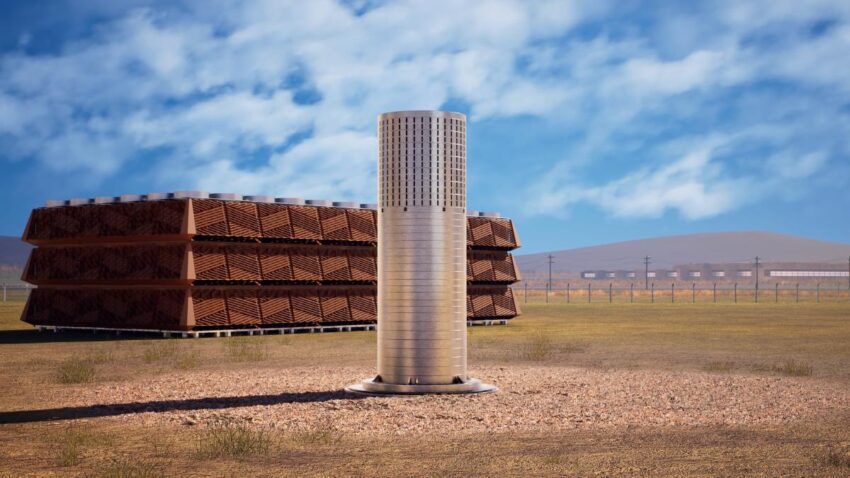
nuclear startup last energy raises 100m for Last Energy has successfully secured $100 million in funding to advance its innovative nuclear technology, specifically aimed at developing a steel-encased micro reactor.
nuclear startup last energy raises 100m for
Overview of Last Energy’s Initiative
Founded with the mission to revolutionize the nuclear energy landscape, Last Energy is focusing on creating small modular reactors (SMRs) that promise to deliver clean, reliable energy. The recent funding round is a significant milestone for the company, as it aims to construct a 5 megawatt pilot reactor in Texas. This pilot project is expected to be operational by next year, marking a critical step in Last Energy’s broader strategy to provide sustainable energy solutions.
Funding Details
The $100 million raised will be allocated towards the construction and development of the pilot reactor. This funding round attracted a mix of investors, including venture capital firms and private equity, all of whom are increasingly interested in the potential of nuclear energy as a viable alternative to fossil fuels. The investment reflects a growing recognition of the need for innovative energy solutions in the face of climate change and energy security concerns.
Significance of the Pilot Reactor
The pilot reactor represents a crucial phase in Last Energy’s development timeline. By building a 5 megawatt reactor, the company aims to demonstrate the feasibility and safety of its technology. This reactor will serve as a proof of concept, showcasing the efficiency and reliability of micro reactors in real-world applications. If successful, it could pave the way for larger-scale deployments in various locations, particularly in areas that are underserved by traditional energy infrastructure.
Technical Aspects of the Micro Reactor
Last Energy’s micro reactor is designed to be compact and efficient, utilizing advanced materials and engineering techniques. The reactor’s steel casing is a notable feature, providing enhanced safety and durability. This design aims to minimize the risk of radiation leaks and other safety concerns that have historically plagued nuclear energy projects.
Advantages of Steel Encapsulation
- Safety: The steel casing offers robust protection against external threats, including natural disasters and potential sabotage.
- Durability: Steel is resistant to corrosion and degradation, ensuring a longer lifespan for the reactor.
- Efficiency: The design allows for better thermal management, optimizing the reactor’s performance and energy output.
These advantages position Last Energy’s micro reactor as a competitive alternative to traditional nuclear reactors, which often face significant public scrutiny and regulatory hurdles. The compact nature of the reactor also means it can be deployed in a variety of settings, including urban areas and remote locations.
Market Context and Implications
The global energy landscape is undergoing a transformation as countries seek to reduce their carbon footprints and transition to cleaner energy sources. Nuclear energy, often viewed with skepticism due to historical accidents and waste management issues, is experiencing a resurgence as advancements in technology promise safer and more efficient solutions.
Growing Interest in Nuclear Energy
In recent years, there has been a renewed interest in nuclear energy, particularly in the context of climate change. Governments and corporations are increasingly recognizing the role that nuclear power can play in achieving net-zero emissions goals. The International Energy Agency (IEA) has highlighted nuclear energy as a critical component of a balanced energy portfolio, capable of providing baseload power while complementing renewable sources like wind and solar.
Stakeholder Reactions
The funding announcement has garnered positive reactions from various stakeholders in the energy sector. Industry experts and environmental advocates alike see Last Energy’s initiative as a promising development. Many believe that micro reactors could help alleviate some of the concerns surrounding large-scale nuclear projects, such as long construction times, high costs, and public opposition.
Investors are also optimistic about the potential returns on investment in nuclear technology. As energy demands continue to rise globally, the need for sustainable and reliable energy sources becomes increasingly urgent. Last Energy’s approach could position it favorably in a competitive market, attracting further investments and partnerships.
Challenges Ahead
Despite the optimism surrounding Last Energy’s funding and technology, several challenges remain. Regulatory hurdles, public perception, and technical risks are all factors that could impact the project’s success.
Regulatory Landscape
The nuclear industry is heavily regulated, and navigating the approval process can be time-consuming and complex. Last Energy will need to work closely with federal and state regulatory bodies to ensure compliance with safety standards and operational guidelines. This process can often delay project timelines and increase costs, which could pose challenges for the company as it seeks to bring its pilot reactor online.
Public Perception
Public perception of nuclear energy remains mixed. While some view it as a clean and efficient energy source, others harbor concerns about safety, waste disposal, and the potential for catastrophic failures. Last Energy will need to engage in proactive communication and education efforts to address these concerns and build public trust in its technology.
Technical Risks
As with any emerging technology, there are inherent risks associated with the development and deployment of micro reactors. Technical challenges related to design, manufacturing, and operation could arise, potentially impacting the reactor’s performance and safety. Continuous research and development will be essential to mitigate these risks and ensure the reliability of the technology.
The Future of Last Energy
Looking ahead, Last Energy’s successful pilot reactor could set the stage for a broader adoption of micro reactors across the globe. If the pilot project proves successful, it may lead to additional funding opportunities and partnerships, enabling the company to scale its operations and expand its reach.
Potential Applications
The versatility of micro reactors opens up a range of potential applications. They could be deployed in various settings, including:
- Remote Communities: Micro reactors could provide a reliable energy source for isolated areas that lack access to traditional power grids.
- Industrial Applications: Industries requiring substantial energy inputs could benefit from localized nuclear power, reducing reliance on fossil fuels.
- Military Installations: The compact nature of micro reactors makes them suitable for military bases and operations in remote locations.
As the world grapples with the challenges of climate change and energy security, Last Energy’s innovative approach to nuclear power could play a pivotal role in shaping the future of energy generation.
Source: Original report
Was this helpful?
Last Modified: December 16, 2025 at 8:39 pm
1 views