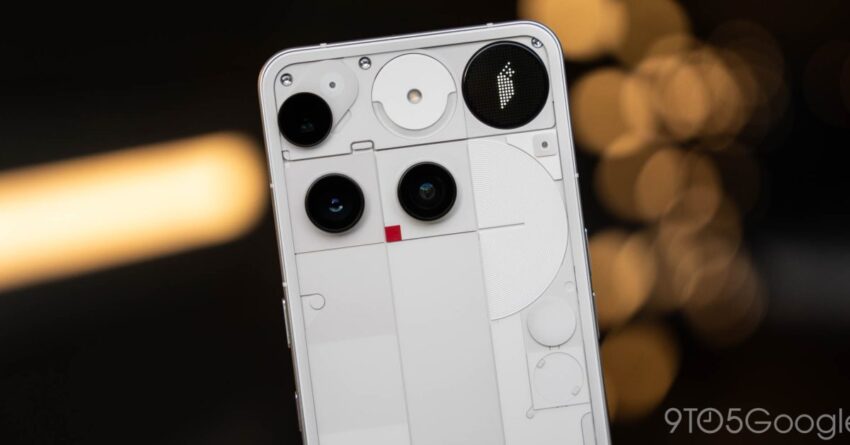
nothing will raise smartphone prices in 2026 Nothing, the tech company founded by Carl Pei, has announced that it will increase smartphone prices in 2026 due to ongoing RAM shortages exacerbated by the growing demand for artificial intelligence technologies.
nothing will raise smartphone prices in 2026
The Current Landscape of Consumer Electronics
As we move into 2026, the consumer electronics market is facing unprecedented challenges. The surge in artificial intelligence applications has led to a significant increase in demand for RAM, which is a critical component in modern devices. This heightened demand is not limited to smartphones; it extends across various sectors, including personal computers, servers, and other smart devices. The implications of this trend are profound, affecting not only manufacturers but also consumers who rely on these technologies for everyday tasks.
The Impact of AI on RAM Demand
Artificial intelligence has become a cornerstone of technological advancement, driving innovation in various fields such as healthcare, finance, and entertainment. AI models require substantial computational power, which translates to a greater need for RAM. As companies invest heavily in AI capabilities, the competition for available RAM resources intensifies. This competition is pushing prices upward, creating a ripple effect throughout the consumer electronics industry.
According to industry analysts, the demand for RAM is expected to continue rising as more companies integrate AI into their products. This trend raises concerns about the sustainability of current supply chains, which are already strained due to global events such as the COVID-19 pandemic and geopolitical tensions. The combination of these factors has led to a perfect storm for RAM shortages, prompting companies like Nothing to reassess their pricing strategies.
Nothing’s Response to Market Conditions
Carl Pei, co-founder of Nothing, has publicly acknowledged the challenges posed by the RAM shortage. In a recent statement, he confirmed that the company would be raising the prices of its smartphones in response to these market conditions. This decision marks a significant shift for Nothing, which has positioned itself as a brand focused on delivering value to consumers.
Price Hike Details
While specific figures regarding the price increase have not yet been disclosed, industry insiders suggest that consumers can expect a noticeable rise in the cost of Nothing’s upcoming smartphone models. The company has previously been known for its competitive pricing, which has attracted a loyal customer base. However, the current market dynamics necessitate a reevaluation of this approach.
Pei’s acknowledgment of the RAM shortage highlights the broader implications for the smartphone market. As more manufacturers face similar challenges, consumers may find themselves paying more for devices that were previously within their budget. This shift could lead to a reevaluation of consumer spending habits, as individuals weigh the necessity of upgrading their devices against the rising costs.
Broader Implications for the Smartphone Market
The decision by Nothing to raise prices is not an isolated incident; it reflects a broader trend within the smartphone market. As companies grapple with supply chain issues and rising component costs, consumers may need to adjust their expectations regarding pricing and availability. The following factors are likely to play a significant role in shaping the future of the smartphone market:
- Increased Competition: As more companies enter the AI space, the competition for RAM and other critical components will intensify. This competition could lead to further price increases across the board, affecting not only smartphones but also other consumer electronics.
- Consumer Sentiment: Rising prices may lead to consumer pushback, particularly among budget-conscious buyers. Companies will need to balance the need for profitability with the desire to maintain customer loyalty.
- Innovation vs. Affordability: As manufacturers invest in advanced technologies, the challenge will be to deliver innovative products without alienating consumers due to high prices. This balancing act will be crucial for maintaining market share.
Stakeholder Reactions
The announcement of the price increase has elicited a range of reactions from stakeholders within the industry. Analysts and industry experts have weighed in on the potential consequences of this decision, emphasizing the need for transparency and communication from companies like Nothing.
Industry Analysts’ Perspectives
Industry analysts have expressed concern about the long-term implications of rising smartphone prices. Some argue that while companies may need to raise prices to maintain profitability, this could ultimately lead to a decline in sales volume. If consumers perceive smartphones as becoming unaffordable, they may delay upgrades or seek alternatives, such as refurbished devices or older models.
Additionally, analysts have noted that the price hike could create opportunities for competitors to capture market share. Brands that can offer similar features at lower prices may attract consumers looking for value in a challenging economic environment. This dynamic could lead to increased competition and innovation as companies strive to differentiate themselves in a crowded market.
Consumer Reactions
Consumer sentiment regarding the price increase remains mixed. While some consumers understand the challenges posed by RAM shortages and the need for companies to adapt, others express frustration at the prospect of paying more for smartphones. Many consumers have already felt the pinch of rising costs in various aspects of their lives, and an increase in smartphone prices could further strain their budgets.
Social media platforms have become a battleground for discussions surrounding the price hike. Some consumers have taken to platforms like Twitter and Reddit to voice their concerns, while others have expressed support for Nothing’s decision, recognizing the broader market challenges. This dialogue underscores the importance of effective communication from companies as they navigate these turbulent waters.
Looking Ahead: What to Expect in 2026
As we look ahead to 2026, the smartphone market is poised for significant changes. The combination of rising RAM prices, increased competition, and evolving consumer preferences will shape the landscape in ways that are still unfolding. Companies like Nothing will need to adapt quickly to these changes to remain relevant and competitive.
Potential Strategies for Companies
In light of the challenges posed by RAM shortages and rising costs, companies may consider several strategies to navigate the evolving market:
- Supply Chain Diversification: Companies may seek to diversify their supply chains to mitigate the impact of shortages. By sourcing components from multiple suppliers, manufacturers can reduce their reliance on any single source and enhance their resilience against market fluctuations.
- Focus on Value Proposition: Emphasizing the unique features and benefits of their products will be crucial for companies looking to justify higher prices. By clearly communicating the value of their offerings, manufacturers can help consumers understand the rationale behind price increases.
- Investment in Innovation: Companies that prioritize research and development may be better positioned to create cutting-edge products that stand out in a competitive market. Innovation can drive consumer interest and loyalty, even in the face of rising costs.
Conclusion
The announcement of a price increase by Nothing due to RAM shortages serves as a microcosm of the broader challenges facing the consumer electronics market in 2026. As demand for AI technologies continues to grow, companies must navigate the complexities of rising component costs while maintaining consumer trust and loyalty. The decisions made by manufacturers in the coming months will have lasting implications for the industry and consumers alike.
Source: Original report
Was this helpful?
Last Modified: January 15, 2026 at 8:46 am
6 views