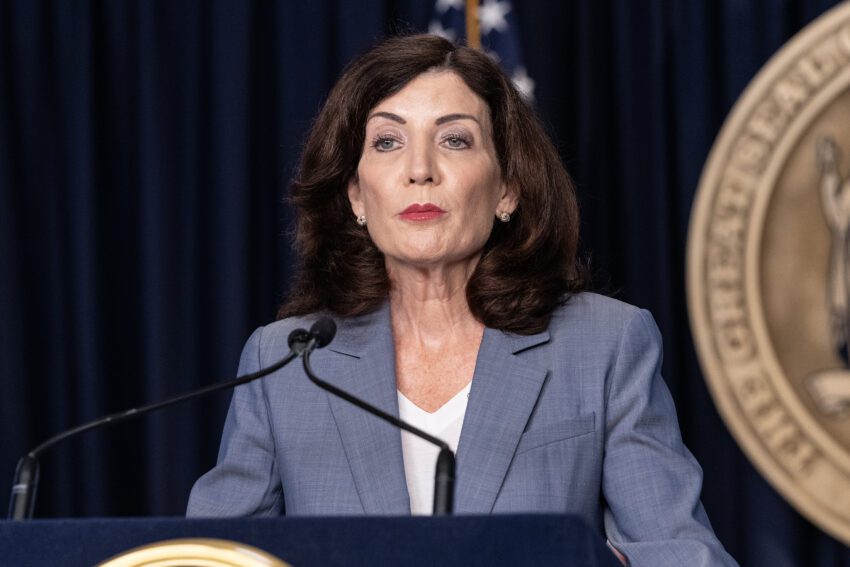
new york wants to regulate roblox New York Governor Kathy Hochul is taking significant steps to enhance online safety for children, with a particular focus on the popular gaming platform Roblox.
new york wants to regulate roblox
Governor Hochul’s Initiative
In a landscape where federal legislative progress has stalled, states have increasingly become the frontline for implementing reforms aimed at safeguarding children online. Governor Hochul’s administration is prioritizing this issue, recognizing the urgent need for protective measures in the digital realm. During her upcoming State of the State address, she plans to unveil a comprehensive strategy that emphasizes parental controls and age verification for online platforms.
Roblox: A Growing Concern
Roblox, a platform that allows users to create and share games, has gained immense popularity among children and teenagers. With millions of active users, it serves as a social space where young people interact, create, and play. However, its rapid growth has raised concerns about the safety of its younger audience. Issues such as cyberbullying, inappropriate content, and online predators have prompted calls for stricter regulations.
The platform has often flown under the radar compared to other social media giants, but its impact on children’s online experiences is undeniable. As children spend more time on digital platforms, the need for robust safety measures becomes increasingly critical. Hochul’s initiative aims to address these concerns by implementing regulations that would hold platforms like Roblox accountable for the safety of their users.
Legislative Framework
Governor Hochul’s plan draws inspiration from existing legislation proposed by state Senator Andrew Gounardes and Assemblymember Nily Rozic. This legislation seeks to fill gaps in current online safety laws, particularly concerning age verification and parental controls. The proposed measures would require platforms to implement more stringent age verification processes, ensuring that children are not exposed to inappropriate content or interactions.
Age Verification and Parental Controls
One of the cornerstones of Hochul’s initiative is the introduction of age verification systems. These systems would require users to confirm their age before accessing certain features or content on platforms like Roblox. By implementing such measures, the state aims to create a safer online environment for children, reducing the risk of exposure to harmful content.
In addition to age verification, the plan emphasizes the need for enhanced parental controls. Parents would be provided with tools to monitor their children’s online activities, set restrictions, and receive alerts about potentially harmful interactions. This approach not only empowers parents but also encourages responsible digital citizenship among young users.
Implications for Online Platforms
The proposed regulations could have significant implications for online platforms, particularly those that cater to younger audiences. Companies like Roblox may need to invest in new technologies and processes to comply with the state’s requirements. This could involve developing more sophisticated age verification systems and enhancing their existing parental control features.
Moreover, these changes could set a precedent for other states to follow suit, potentially leading to a patchwork of regulations across the country. As states take the lead in establishing online safety standards, companies may find themselves navigating a complex regulatory landscape that varies from one jurisdiction to another.
Industry Reactions
The response from the tech industry has been mixed. While some companies acknowledge the importance of online safety and express support for regulatory efforts, others raise concerns about the feasibility and effectiveness of such measures. Critics argue that overly stringent regulations could stifle innovation and limit the ability of platforms to provide engaging experiences for users.
Roblox, in particular, has faced scrutiny over its safety measures. The company has made efforts to enhance its moderation systems and implement features aimed at protecting young users. However, as the platform continues to grow, the pressure to ensure safety will only increase. Stakeholders are keenly observing how Roblox and similar platforms will adapt to the evolving regulatory landscape.
Broader Context of Online Safety Regulations
The push for enhanced online safety regulations is not limited to New York. Across the United States, various states are exploring similar measures aimed at protecting children in the digital space. This trend reflects growing concerns among parents, educators, and lawmakers about the potential risks associated with online interactions.
In recent years, high-profile incidents involving cyberbullying, online predators, and exposure to inappropriate content have underscored the need for comprehensive reforms. As a result, states are taking proactive steps to address these issues, often in the absence of federal action. This state-level approach has led to a patchwork of regulations that can vary significantly from one state to another.
Challenges Ahead
While the intention behind these regulations is commendable, implementing effective age verification and parental control systems poses several challenges. For one, ensuring the accuracy of age verification methods can be complex, as users may find ways to circumvent these systems. Additionally, the balance between user privacy and safety is a delicate one, as overly intrusive measures could infringe on individual rights.
Moreover, the rapid pace of technological advancement means that regulations must be adaptable to keep up with emerging trends and threats. As new platforms and technologies continue to evolve, lawmakers will need to remain vigilant and responsive to ensure that regulations effectively address the changing landscape of online safety.
The Role of Parents and Educators
In addition to regulatory measures, the role of parents and educators in promoting online safety cannot be overstated. Parents are encouraged to engage in open conversations with their children about online behavior, helping them navigate the digital world responsibly. Educators, too, play a crucial role in teaching digital literacy and responsible online practices in schools.
By fostering a culture of awareness and responsibility, parents and educators can empower children to make informed decisions while using online platforms. This collaborative approach, combined with regulatory efforts, can create a more comprehensive framework for ensuring the safety of young users in the digital space.
Conclusion
Governor Kathy Hochul’s initiative to regulate platforms like Roblox marks a significant step toward enhancing online safety for children in New York. As states take the lead in implementing reforms, the implications for online platforms, parents, and educators are profound. While challenges remain, the collective efforts of lawmakers, industry stakeholders, and families can pave the way for a safer digital environment for future generations.
Source: Original report
Was this helpful?
Explore more: More Big Tech & Platforms Tech News Blog
Last Modified: January 13, 2026 at 2:41 am
17 views