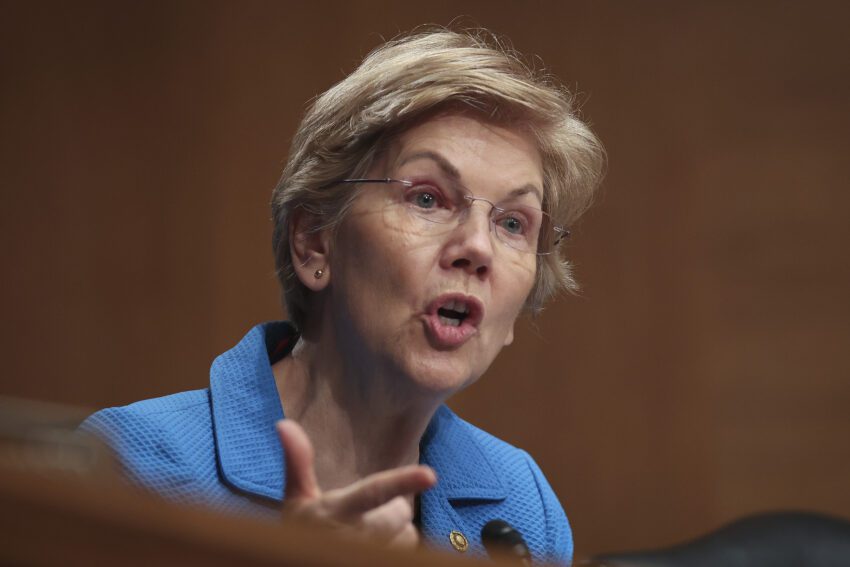
democrats should reject tech influence to win Senator Elizabeth Warren (D-MA) has articulated a vision for the Democratic Party that emphasizes reducing the influence of big tech and embracing populist policies to secure future electoral victories.
democrats should reject tech influence to win
Warren’s Vision for the Democratic Party
In a recent speech at the National Press Club in Washington, D.C., Senator Warren outlined her perspective on the future of the Democratic Party, particularly in light of the challenges it faces following the anticipated 2024 electoral defeat. Warren’s address comes at a critical juncture for the party, which is grappling with its identity and direction as it prepares for the 2026 midterms and beyond.
Addressing the Identity Crisis
The Democratic Party is currently experiencing an identity crisis, struggling to balance the interests of its traditional base with the demands of wealthy donors and corporate interests. Warren’s speech sought to clarify the party’s path forward by advocating for a return to its populist roots. She emphasized that the party should prioritize policies that make life more affordable for working-class Americans, even if these policies are unpopular among affluent donors.
Rejecting Big Tech Influence
One of the central themes of Warren’s speech was the need to reject the influence of big tech companies in politics. She pointed to the growing power of tech giants and their ability to shape public discourse and policy decisions. Warren argued that this influence undermines the democratic process and distorts the priorities of elected officials.
Warren specifically called out Reid Hoffman, the co-founder of LinkedIn and a prominent Democratic donor, for his involvement in shaping party strategies that prioritize the interests of the wealthy over those of everyday Americans. By highlighting such examples, Warren aims to galvanize support for a more grassroots approach to politics that prioritizes the needs of the many rather than the few.
Populist Policies as a Solution
Warren’s proposed solution to the party’s challenges is a renewed focus on populist policies. She believes that by championing initiatives that directly benefit working people, the Democratic Party can regain the trust and support of its base. This approach could involve a range of policy proposals aimed at addressing economic inequality, healthcare access, and education affordability.
Making Life More Affordable
Warren emphasized the importance of implementing policies that make life more affordable for working families. This could include measures such as:
- Expanding access to affordable healthcare through public options or Medicare for All.
- Implementing policies to reduce the cost of higher education, such as student loan forgiveness and free community college.
- Increasing the minimum wage to a living wage, ensuring that all workers can support themselves and their families.
- Strengthening labor rights and protections to empower workers in negotiations with employers.
By prioritizing these issues, Warren believes the Democratic Party can reconnect with voters who feel left behind by the current political landscape. She argues that a focus on economic justice and fairness will resonate with a broad swath of the electorate, including those who may have previously supported Republican candidates.
Implications for Future Elections
Warren’s call for a shift towards populist policies has significant implications for the Democratic Party’s electoral strategy. If the party embraces this approach, it may need to reevaluate its relationships with wealthy donors and corporate interests. This could lead to a more grassroots fundraising model that relies on small-dollar donations from individual supporters rather than large contributions from corporations and billionaires.
Such a shift could also impact the party’s messaging and campaign strategies. By focusing on the needs of working-class Americans, Democrats may be able to differentiate themselves from their Republican counterparts, who often prioritize tax cuts and deregulation that primarily benefit the wealthy.
Stakeholder Reactions
The response to Warren’s speech has been mixed among party leaders and stakeholders. Some Democrats have praised her for articulating a clear vision that prioritizes the needs of ordinary Americans. They argue that her emphasis on populist policies could help the party regain lost ground in key demographics, particularly among working-class voters who have increasingly turned to Republican candidates in recent elections.
However, others within the party remain skeptical of Warren’s approach. Some party leaders express concern that a strong focus on populism could alienate moderate voters and wealthy donors who are crucial for funding campaigns. They argue that a balanced approach that incorporates both populist policies and the interests of affluent contributors may be necessary to secure electoral victories.
The Role of Technology in Politics
Warren’s critique of big tech influence also raises broader questions about the role of technology in politics. As social media platforms and tech companies continue to play a significant role in shaping public opinion and political discourse, the implications of their influence cannot be overlooked. Warren’s call for a reduction in this influence aligns with a growing movement among lawmakers and activists who advocate for greater regulation of tech companies to ensure transparency and accountability.
In recent years, there has been increasing scrutiny of how tech companies handle user data, misinformation, and their impact on democratic processes. Warren’s stance on this issue reflects a broader concern among many Americans about the concentration of power in the hands of a few tech giants and the potential consequences for democracy.
Conclusion
Senator Elizabeth Warren’s vision for the Democratic Party emphasizes the need to reject the influence of big tech and embrace populist policies that prioritize the needs of working-class Americans. As the party navigates its identity crisis in the wake of anticipated electoral challenges, Warren’s proposals offer a roadmap for reconnecting with voters and addressing pressing economic issues.
While the response to her speech has been mixed, it is clear that the conversation around the role of money in politics and the influence of technology will continue to shape the Democratic Party’s strategy moving forward. As the party prepares for the 2026 midterms and beyond, the challenge will be to balance the interests of its diverse base while remaining true to its core values of economic justice and fairness.
Source: Original report
Was this helpful?
Explore more: More Big Tech & Platforms Tech News Blog
Last Modified: January 13, 2026 at 2:44 am
14 views