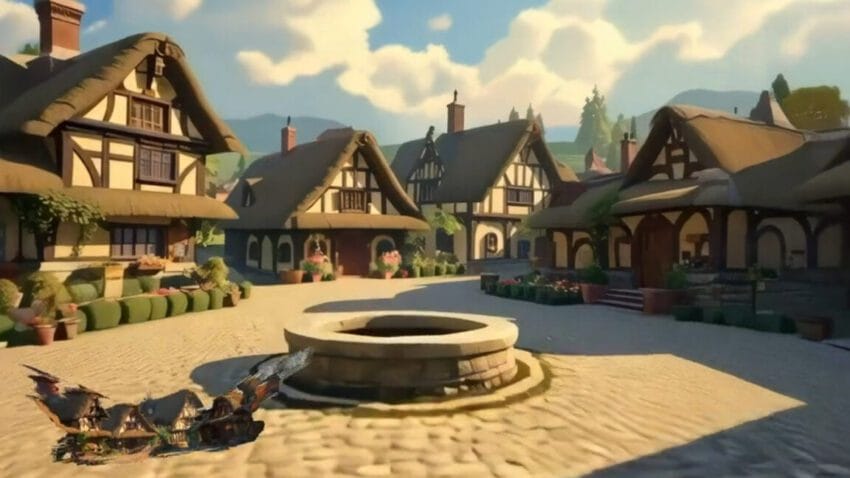
new ai model turns photos into explorable Tencent has unveiled HunyuanWorld-Voyager, an innovative AI model that transforms static images into immersive 3D environments, offering a glimpse into the future of digital interaction.
new ai model turns photos into explorable
Introduction to HunyuanWorld-Voyager
In a significant advancement in artificial intelligence, Tencent has introduced HunyuanWorld-Voyager, a cutting-edge model designed to convert two-dimensional images into dynamic three-dimensional worlds. This technology aims to enhance user experiences across various applications, from gaming to virtual reality, providing an unprecedented level of interactivity and engagement.
Technical Overview
HunyuanWorld-Voyager employs advanced algorithms and deep learning techniques to analyze and interpret static images. The model identifies key features within the images, such as textures, colors, and spatial relationships, to reconstruct them in a 3D format. This transformation allows users to explore these environments interactively, navigating through spaces that were previously confined to flat images.
The underlying technology leverages a combination of neural networks and computer vision, enabling the model to learn from vast datasets of images and their corresponding 3D representations. This training process enhances the model’s ability to generate realistic and detailed 3D environments, making the transition from 2D to 3D seamless for users.
Applications and Use Cases
The potential applications for HunyuanWorld-Voyager are vast and varied. Key areas include:
- Gaming: Game developers can utilize this technology to create expansive, explorable worlds from concept art or photographs, enhancing the gaming experience.
- Virtual Reality: Virtual reality platforms can integrate HunyuanWorld-Voyager to provide users with immersive experiences that allow them to interact with their surroundings in a more meaningful way.
- Real Estate: Real estate professionals can use the model to create virtual tours of properties, allowing potential buyers to explore homes remotely.
- Education: Educational institutions can leverage this technology to create interactive learning environments, making complex subjects more accessible and engaging for students.
Challenges and Limitations
Despite its groundbreaking capabilities, HunyuanWorld-Voyager is not without its challenges and limitations. As with any emerging technology, there are several caveats to consider.
Quality of Output
One of the primary concerns with HunyuanWorld-Voyager is the quality of the generated 3D environments. While the model can produce impressive results, the accuracy and realism of the output can vary significantly depending on the input image. Factors such as lighting, perspective, and image resolution can affect the final 3D representation. Users may find that not all images translate effectively into 3D, leading to potential frustrations.
Computational Requirements
Another significant limitation is the computational power required to run HunyuanWorld-Voyager. The model relies on substantial processing capabilities, which may not be accessible to all users. This requirement could limit the technology’s widespread adoption, particularly among smaller developers or individuals without access to high-performance computing resources.
Ethical Considerations
As with many AI technologies, ethical considerations surrounding HunyuanWorld-Voyager are paramount. The ability to create realistic 3D environments from images raises questions about copyright and ownership. For instance, if a user uploads a photograph they do not own, the resulting 3D model could infringe on the rights of the original creator. This issue necessitates clear guidelines and policies to protect intellectual property while fostering innovation.
Stakeholder Reactions
The introduction of HunyuanWorld-Voyager has elicited a range of reactions from various stakeholders in the technology and creative industries.
Industry Experts
Industry experts have generally welcomed the innovation, recognizing its potential to revolutionize how we interact with digital content. Many see HunyuanWorld-Voyager as a significant step forward in the integration of AI and creative processes, allowing artists and developers to push the boundaries of their work. However, some experts caution against over-reliance on AI-generated content, emphasizing the importance of human creativity and intuition in the artistic process.
Developers and Creatives
Developers and creatives are particularly excited about the possibilities presented by HunyuanWorld-Voyager. Game designers, in particular, are eager to explore how the model can streamline the development process, enabling them to create expansive worlds more efficiently. However, there is also a sense of apprehension regarding the potential for AI to disrupt traditional creative roles, leading to concerns about job displacement in the industry.
Consumers
For consumers, the introduction of HunyuanWorld-Voyager promises a more engaging and interactive experience across various platforms. Users are excited about the prospect of exploring 3D environments derived from their favorite images, whether for gaming, education, or virtual tours. However, some consumers express concerns about the quality and realism of the generated environments, particularly if they do not meet their expectations.
Future Implications
The launch of HunyuanWorld-Voyager marks a pivotal moment in the evolution of AI technologies and their applications in creative fields. As the model continues to develop and improve, several implications emerge for the future of digital interaction.
Enhanced User Engagement
One of the most significant implications is the potential for enhanced user engagement. By transforming static images into interactive 3D environments, HunyuanWorld-Voyager can create more immersive experiences that captivate users’ attention. This increased engagement could lead to higher retention rates for applications that incorporate the technology, benefiting developers and content creators alike.
New Creative Opportunities
HunyuanWorld-Voyager also opens up new creative opportunities for artists and developers. The ability to quickly generate 3D environments from images allows creators to experiment with new ideas and concepts without the constraints of traditional development processes. This freedom could lead to innovative projects that push the boundaries of what is possible in digital art and design.
Collaboration Between AI and Human Creativity
As AI technologies like HunyuanWorld-Voyager become more prevalent, the relationship between AI and human creativity will evolve. Rather than replacing human creators, these tools may serve as collaborators, enhancing the creative process and enabling artists to explore new avenues. This collaboration could lead to a renaissance in digital art and design, where AI and human ingenuity work hand in hand.
Conclusion
In summary, Tencent’s HunyuanWorld-Voyager represents a significant advancement in the field of artificial intelligence, offering the ability to transform static images into immersive 3D environments. While the technology holds immense potential for various applications, it also presents challenges and ethical considerations that must be addressed. As stakeholders across industries react to this innovation, the future of digital interaction looks promising, with new opportunities for engagement, creativity, and collaboration on the horizon.
Source: Original report
Was this helpful?
Explore more: AI Automation Services More AI & Automation Tech News
Last Modified: September 8, 2025 at 6:35 pm
12 views