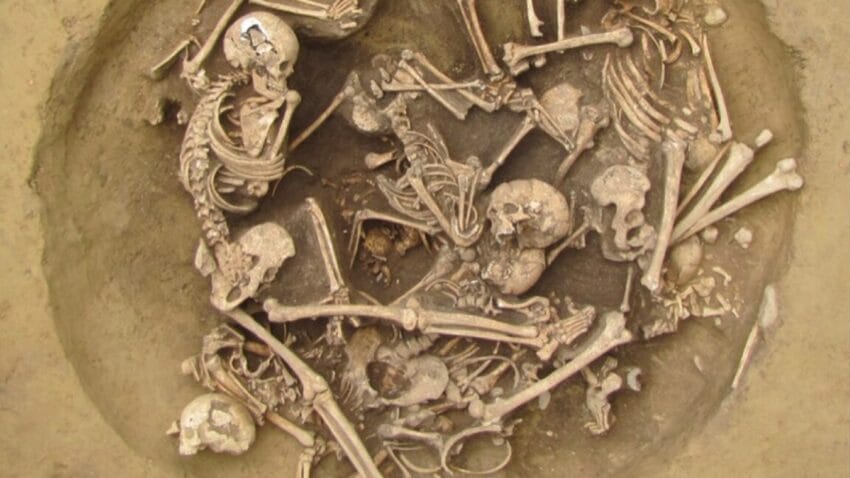
neolithic people took gruesome trophies from invading A recent study reveals that a Neolithic community in northeastern France engaged in brutal practices against invading tribes, including the severing of limbs as war trophies.
neolithic people took gruesome trophies from invading
Introduction to Neolithic Violence
The Neolithic period, spanning from approximately 10,000 BCE to 3,000 BCE, was marked by significant social and technological developments, including the advent of agriculture and the establishment of permanent settlements. However, this era was also characterized by various forms of violence, including warfare, executions, and massacres. A new study published in the journal Science Advances sheds light on the violent interactions between local Neolithic communities and foreign invaders, suggesting that these encounters were not merely pragmatic but also deeply ritualistic and symbolic.
Study Findings
The research focuses on a local Neolithic community in northeastern France, where evidence suggests that members engaged in violent confrontations with invading tribes. The study indicates that these conflicts resulted in the brutalization of prisoners of war, with the severing of limbs being a common practice. This behavior challenges the conventional understanding of prehistoric violence as indiscriminate or solely motivated by practical concerns, such as resource acquisition or territorial disputes.
Evidence of Brutality
The findings are based on an analysis of human remains and archaeological artifacts from the region. Researchers discovered skeletal remains that exhibited signs of violent trauma, including cut marks consistent with the removal of limbs. These marks suggest that the local community engaged in the practice of taking trophies from their enemies, a ritualistic act that likely held significant cultural meaning.
Contextualizing Neolithic Warfare
Neolithic Europe was no stranger to collective violence. Historical records and archaeological evidence indicate that various forms of violence were prevalent, including executions and massacres of small communities. For instance, a recent analysis of human remains from El Mirador Cave in Spain revealed evidence of cannibalism, likely resulting from violent encounters between competing Late Neolithic herding communities approximately 5,700 years ago. This analysis uncovered a range of gruesome practices, including:
- Microscopy analysis revealing slice marks, scrape marks, and chop marks on bones.
- Evidence of cremation, peeling, fractures, and human tooth marks.
- Indications that victims were skinned, disarticulated, cooked, and consumed.
Isotope analysis further suggested that the individuals were local and likely consumed within a few days of their death. Such findings highlight the systematic nature of violence during this period and suggest that cannibalism was not merely a survival tactic but may have also served ritualistic purposes.
The Implications of Trophy Taking
The act of taking trophies from defeated enemies, as observed in the French Neolithic community, raises important questions about the social and cultural dynamics of the time. Trophy taking can be interpreted as a means of asserting dominance and instilling fear in adversaries. It may have also played a role in the social cohesion of the victorious community, reinforcing group identity and shared values.
Ritualistic Elements
The ritualistic aspects of violence in Neolithic societies are particularly noteworthy. The severing of limbs and the display of trophies may have been part of a broader set of rituals designed to commemorate victories and honor the dead. Such practices could serve to legitimize violence within the community, framing it as a necessary and honorable act in the context of warfare.
Comparative Analysis with Other Regions
Similar patterns of violence and trophy taking have been documented in other regions of Neolithic Europe. For example, archaeological findings in Germany and Spain indicate that massacres and violent confrontations were not isolated incidents but part of a broader trend of inter-community conflict. The El Mirador remains, in particular, provide compelling evidence of systematic violence and cannibalism, suggesting that such practices were not uncommon across different Neolithic cultures.
Stakeholder Reactions
The findings of this study have elicited a range of reactions from scholars and researchers in the field of archaeology and anthropology. Some experts have praised the research for challenging existing narratives about prehistoric violence, emphasizing the need for a nuanced understanding of the motivations behind such acts. Others have expressed caution, arguing that while the evidence is compelling, it is essential to avoid overgeneralizing the behaviors of Neolithic communities based on limited data.
Broader Implications for Understanding Human Behavior
The study’s findings contribute to a broader discourse on human behavior and the nature of violence throughout history. By examining the motivations behind trophy taking and brutalization, researchers can gain insights into the psychological and social factors that drive individuals and communities to engage in violent acts. This understanding may also have implications for contemporary discussions about violence and conflict resolution.
Conclusion
The evidence presented in this study highlights the complexity of Neolithic violence and the cultural significance of trophy taking. As researchers continue to explore the intricacies of prehistoric societies, it becomes increasingly clear that violence was not merely a byproduct of survival but a deeply embedded aspect of social life. The findings from northeastern France, alongside similar evidence from other regions, underscore the need for a comprehensive understanding of the motivations and rituals associated with violence in Neolithic Europe.
Source: Original report
Was this helpful?
Explore more: More General Technology Tech News Blog
Last Modified: September 6, 2025 at 8:05 am
11 views