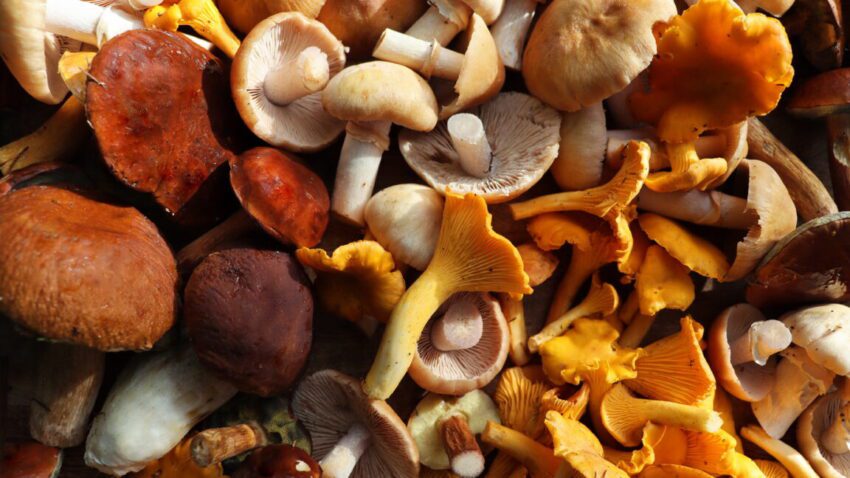
mushroom foragers collect 160 species for food During the COVID-19 pandemic, mushroom foraging emerged as a popular activity, leading enthusiasts to collect over 160 species for various purposes including food, medicine, art, and science.
mushroom foragers collect 160 species for food
The Rise of Mushroom Foraging
Mushroom foraging has gained significant traction in recent years, particularly during the COVID-19 pandemic. As people sought new hobbies and ways to connect with nature while adhering to social distancing measures, many turned to the woods in search of edible fungi. This trend has not only provided a source of sustenance but has also fostered a deeper appreciation for biodiversity and the natural world.
Personal Journey into Foraging
Like many mushroom harvesters, my journey into foraging began during the pandemic. I had initially planned a summer filled with fieldwork focused on studying foraged desert plants in a remote part of Australia. However, the onset of the pandemic abruptly halted my travel plans. It was March, just before the morel mushrooms began to emerge in central Pennsylvania, when I found myself at a crossroads.
With travel restrictions in place, I had more time to explore my local environment. I began to take long hikes in the nearby woods, immersing myself in the natural landscape. During this period, I was also enrolled in remote classes at Penn State, pursuing my doctoral degree in ecology and anthropology. One particularly impactful course was an agroforestry class taught by Eric Burkhart, where we examined the symbiotic relationship between agriculture and forests, and how both can benefit people and the environment.
The Diversity of Edible Mushrooms
As I delved deeper into the world of mushroom foraging, I discovered an astonishing variety of edible mushrooms. According to recent reports, foragers have collected over 160 different species, each with unique flavors, textures, and nutritional profiles. This diversity not only enriches culinary experiences but also plays a crucial role in the ecosystem.
Commonly Foraged Species
Among the most sought-after species are:
- Morels: Known for their distinctive honeycomb appearance, morels are a springtime favorite among foragers.
- Chanterelles: These trumpet-shaped mushrooms are prized for their delicate flavor and are often used in gourmet dishes.
- Porcini: Renowned for their meaty texture, porcini mushrooms are a staple in Italian cuisine.
- Oysters: These mushrooms grow in clusters and are known for their mild flavor and versatility in cooking.
Each species offers unique culinary possibilities, encouraging foragers to experiment with different recipes and preparation methods. Beyond their culinary uses, many mushrooms also possess medicinal properties, further enhancing their appeal.
Mushrooms in Medicine
Historically, mushrooms have been utilized in various cultures for their medicinal benefits. Recent scientific studies have begun to validate many of these traditional uses, highlighting the potential of mushrooms in modern medicine.
Medicinal Properties
Some notable medicinal mushrooms include:
- Reishi: Often referred to as the “mushroom of immortality,” reishi is believed to boost the immune system and reduce stress.
- Turkey Tail: This mushroom is rich in antioxidants and has been studied for its potential in cancer treatment.
- Lion’s Mane: Known for its cognitive benefits, Lion’s Mane is thought to promote nerve regeneration and improve memory.
The resurgence of interest in natural remedies has led to a growing market for medicinal mushrooms, with many foragers not only collecting them for personal use but also selling them to health-conscious consumers.
The Artistic Side of Foraging
Mushroom foraging is not solely about sustenance and medicine; it also intersects with art and creativity. Many foragers have begun to document their finds through photography, creating stunning visual representations of the diverse fungi they encounter.
Creative Expressions
Artistic endeavors related to mushrooms can take various forms, including:
- Photography: Capturing the intricate details and vibrant colors of mushrooms has become a popular pastime among foragers.
- Illustration: Some foragers have turned their experiences into art, creating illustrations that celebrate the beauty of fungi.
- Cooking: Culinary arts have also been influenced by foraging, with chefs incorporating wild mushrooms into their dishes, often highlighting them as the star ingredient.
This artistic engagement not only enhances the foraging experience but also fosters a sense of community among enthusiasts who share their finds and creations through social media platforms and local gatherings.
The Scientific Importance of Foraging
Beyond culinary and artistic pursuits, mushroom foraging holds significant scientific value. The collection of diverse mushroom species contributes to our understanding of ecosystems and biodiversity.
Ecological Contributions
Foragers play a crucial role in documenting mushroom species, which can aid in conservation efforts. By cataloging their finds, they contribute to citizen science initiatives that track fungal populations and their habitats. This data can be invaluable for researchers studying climate change, habitat loss, and the overall health of ecosystems.
Moreover, the relationship between fungi and plants is essential for maintaining ecological balance. Fungi form symbiotic relationships with plants, aiding in nutrient absorption and enhancing soil health. Understanding these interactions is vital for sustainable land management practices.
Challenges and Ethical Considerations
While mushroom foraging offers numerous benefits, it is not without its challenges. As interest in foraging grows, so does the potential for overharvesting and habitat destruction. Ethical foraging practices are essential to ensure that mushroom populations remain sustainable.
Best Practices for Foragers
To promote responsible foraging, enthusiasts should adhere to the following guidelines:
- Know Your Mushrooms: Proper identification is crucial. Foragers should educate themselves about the species they collect to avoid toxic varieties.
- Harvest Sustainably: Only take what you need, and avoid overharvesting in any given area to allow populations to regenerate.
- Respect Nature: Stay on designated trails and avoid disturbing wildlife habitats.
By following these practices, foragers can enjoy their hobby while contributing positively to the environment.
Community and Connection
The mushroom foraging community has flourished, with enthusiasts sharing tips, recipes, and experiences. Online forums and social media groups have become platforms for knowledge exchange, fostering connections among foragers across the globe.
Local Foraging Groups
Many regions have established local foraging groups that organize events, workshops, and guided foraging trips. These gatherings not only provide education on mushroom identification and foraging techniques but also create a sense of camaraderie among participants.
Through these connections, foragers can share their passion for fungi, learn from one another, and promote sustainable practices within their communities.
Conclusion
Mushroom foraging has emerged as a multifaceted activity that encompasses food, medicine, art, and science. As people continue to explore the woods in search of edible fungi, they are not only enriching their diets but also fostering a deeper connection to nature and their communities. The collection of over 160 mushroom species highlights the incredible diversity of fungi and their importance in our lives. As this trend grows, it is essential for foragers to practice sustainability and ethical harvesting to ensure that future generations can enjoy the bounty of the natural world.
Source: Original report
Was this helpful?
Explore more: More General Technology Tech News Blog
Last Modified: November 25, 2025 at 6:37 pm
14 views