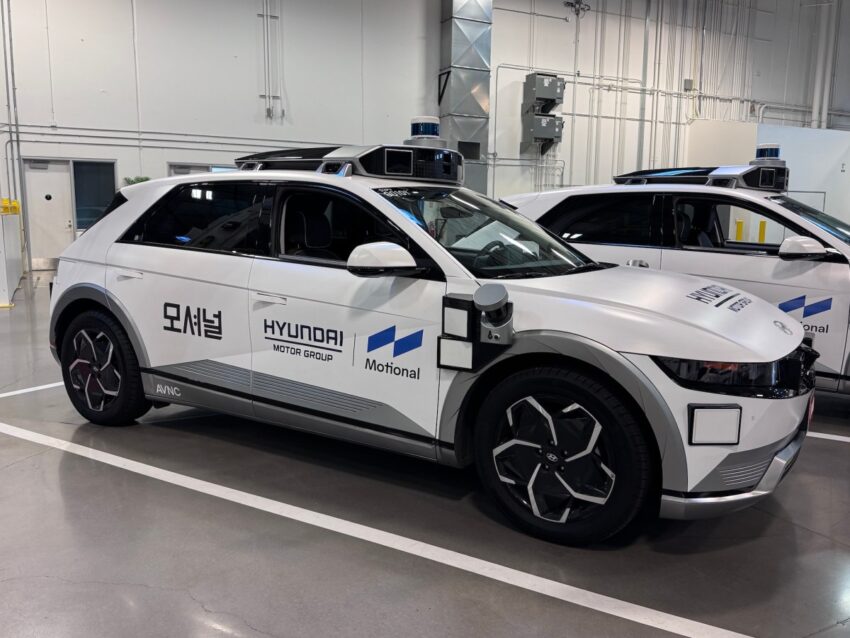
motional puts ai at center of robotaxi Motional has announced plans to launch a fully driverless robotaxi service in Las Vegas by the end of 2026, marking a significant step in the evolution of autonomous vehicle technology.
motional puts ai at center of robotaxi
Overview of Motional’s Ambitious Plans
Motional, a joint venture between automotive giant Hyundai and the technology company Aptiv, has set an ambitious timeline for its driverless robotaxi service. The company aims to deploy a fleet of autonomous vehicles in Las Vegas, a city that has become a testing ground for various autonomous vehicle initiatives. This announcement comes as part of a broader trend in the automotive industry, where companies are increasingly investing in artificial intelligence (AI) and automation technologies to enhance transportation services.
The Role of AI in Autonomous Vehicles
At the heart of Motional’s strategy is the integration of advanced AI systems that will enable its robotaxis to navigate complex urban environments safely and efficiently. The company has emphasized that AI will play a critical role in the operation of its vehicles, allowing them to process vast amounts of data in real time and make decisions based on changing road conditions, traffic patterns, and pedestrian movements.
AI technologies, including machine learning and computer vision, are essential for the development of autonomous vehicles. These systems allow vehicles to interpret their surroundings, recognize obstacles, and respond to dynamic situations. As Motional prepares for its 2026 launch, the company is focusing on refining these technologies to ensure a seamless and safe passenger experience.
Las Vegas: A Testing Ground for Autonomous Vehicles
Las Vegas has emerged as a key location for testing autonomous vehicle technologies due to its unique urban landscape and regulatory environment. The city offers a mix of busy streets, tourist attractions, and diverse driving conditions, making it an ideal setting for evaluating the performance of autonomous systems.
Several companies, including Waymo and Cruise, have already established pilot programs in Las Vegas, providing valuable insights into the challenges and opportunities of operating autonomous vehicles in a real-world environment. Motional’s decision to launch its driverless service in this city aligns with its goal of leveraging existing infrastructure and regulatory support to expedite the deployment of its technology.
Regulatory Considerations
The regulatory landscape for autonomous vehicles is continually evolving, and companies like Motional must navigate a complex web of local, state, and federal regulations. In Nevada, where Las Vegas is located, the state has been proactive in creating a regulatory framework that supports the testing and deployment of autonomous vehicles. This supportive environment is crucial for companies looking to bring their technologies to market.
Motional’s collaboration with local authorities and adherence to regulatory guidelines will be essential as it prepares for its 2026 launch. The company will need to demonstrate the safety and reliability of its autonomous systems to gain public trust and regulatory approval.
Implications for the Transportation Industry
The introduction of a driverless robotaxi service in Las Vegas could have far-reaching implications for the transportation industry. As companies like Motional push the boundaries of autonomous technology, traditional taxi and rideshare services may face increased competition. The ability to offer a fully autonomous service could attract a new customer base, particularly those seeking convenience and cost-effectiveness.
Moreover, the deployment of autonomous vehicles could lead to changes in urban planning and infrastructure. As robotaxis become more prevalent, cities may need to adapt their transportation systems to accommodate these vehicles, including dedicated pick-up and drop-off zones, charging stations, and traffic management systems designed for autonomous operations.
Potential Benefits of Autonomous Robotaxis
The benefits of autonomous robotaxis extend beyond convenience. Some potential advantages include:
- Safety: Autonomous vehicles have the potential to reduce accidents caused by human error, which accounts for a significant percentage of traffic incidents.
- Efficiency: AI-driven navigation can optimize routes, reducing travel times and fuel consumption.
- Accessibility: Autonomous robotaxis could provide transportation options for individuals who are unable to drive, including the elderly and disabled.
- Cost Savings: With the elimination of human drivers, operational costs could decrease, potentially leading to lower fares for consumers.
Challenges Ahead
Despite the promising outlook for autonomous robotaxis, several challenges remain that could impact Motional’s timeline and success. These challenges include technological hurdles, public perception, and competition from other companies in the space.
Technological Hurdles
While AI technology has advanced significantly, developing a fully autonomous vehicle that can operate safely in all conditions remains a complex challenge. Factors such as inclement weather, unpredictable human behavior, and varying road conditions can complicate the operation of autonomous systems. Motional will need to invest heavily in research and development to address these issues and ensure the reliability of its vehicles.
Public Perception and Acceptance
Public acceptance of autonomous vehicles is another critical factor that could influence the success of Motional’s robotaxi service. Many consumers remain skeptical about the safety of self-driving cars, and negative perceptions could hinder adoption. To address these concerns, Motional will need to engage in public outreach and education efforts to build trust in its technology.
Competition in the Autonomous Vehicle Space
The autonomous vehicle market is becoming increasingly crowded, with numerous companies vying for a share of the market. Established players like Waymo and newer entrants like Cruise are also developing their own autonomous services. Motional will need to differentiate itself from competitors by demonstrating the unique advantages of its technology and service offerings.
Stakeholder Reactions
The announcement of Motional’s plans has elicited a range of reactions from stakeholders in the transportation and technology sectors. Industry experts have praised the company’s commitment to advancing autonomous technology, while also cautioning that the path to widespread adoption will be fraught with challenges.
Regulatory bodies have expressed support for Motional’s initiative, recognizing the potential benefits of autonomous vehicles for urban mobility. However, they have also emphasized the importance of rigorous safety testing and compliance with regulatory standards.
Consumer Reactions
Consumer reactions to the announcement have been mixed. While some individuals are excited about the prospect of driverless robotaxis, others remain cautious, citing concerns about safety and reliability. As Motional moves forward with its plans, addressing these concerns will be crucial for gaining consumer trust.
Conclusion
Motional’s plan to launch a driverless robotaxi service in Las Vegas by the end of 2026 represents a significant milestone in the evolution of autonomous vehicle technology. By placing AI at the center of its operations, the company aims to create a safe, efficient, and convenient transportation option for consumers. However, the journey ahead will require overcoming technological challenges, addressing public perception, and navigating a competitive landscape. As Motional prepares for its ambitious launch, the eyes of the transportation industry will be closely watching its progress.
Source: Original report
Was this helpful?
Last Modified: January 12, 2026 at 3:38 pm
3 views