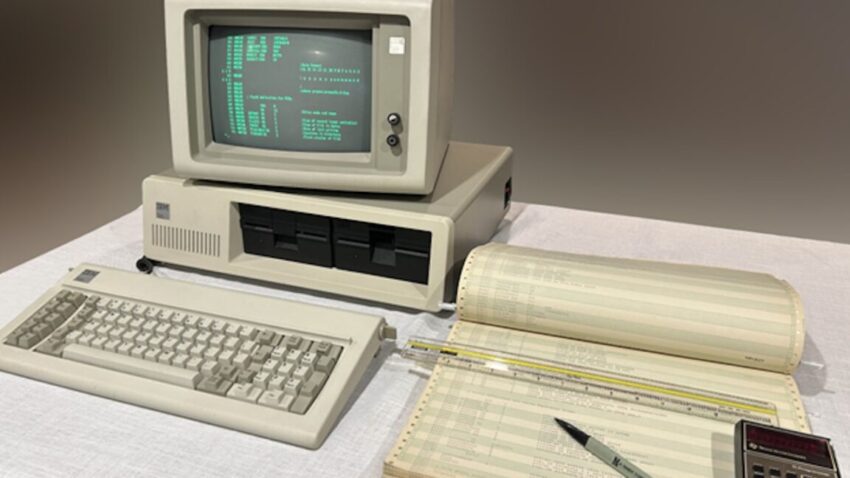
microsoft open-sources the earliest dos source code Microsoft has taken a significant step in preserving computing history by releasing what it describes as “the earliest DOS source code discovered to date,” along with accompanying documentation and developer notes.
microsoft open-sources the earliest dos source code
Historical Context of DOS
To fully appreciate the significance of this release, it is essential to understand the origins of DOS and its evolution. The story begins in the late 1970s and early 1980s, a period marked by rapid technological advancements and the burgeoning personal computer (PC) market. At the forefront of this movement was Tim Paterson, a programmer who created 86-DOS, initially known as QDOS (Quick and Dirty Operating System). This operating system was designed for the Intel 8086 microprocessor and was developed for a computer kit sold by Seattle Computer Products (SCP).
86-DOS was a response to the increasing demand for a reliable operating system that could support the new generation of hardware. Paterson’s work was pivotal; it provided a foundation upon which Microsoft would build its future. In 1981, Microsoft was tasked with providing an operating system for IBM’s new PC, the IBM PC 5150, which was still in development. Recognizing the potential of 86-DOS, Microsoft licensed the operating system from SCP and hired Paterson to further develop it.
Transition to MS-DOS
After acquiring the rights to 86-DOS, Microsoft rebranded it as MS-DOS (Microsoft Disk Operating System). This strategic move allowed Microsoft to license the operating system to IBM as PC-DOS while retaining the rights to sell it to other manufacturers. This dual licensing strategy proved to be a game-changer, as it enabled MS-DOS to become the dominant operating system for IBM-compatible PCs throughout the 1980s and 1990s.
The release of MS-DOS marked the beginning of Microsoft’s ascent to power in the software industry. As IBM PC clones proliferated, MS-DOS became the standard operating system for a wide range of personal computers. The combination of Microsoft’s aggressive marketing, licensing strategies, and the growing popularity of IBM-compatible hardware solidified MS-DOS’s position in the market.
Details of the Source Code Release
This latest release from Microsoft is particularly noteworthy because it predates the MS-DOS branding. According to a blog post by Microsoft’s Stacey Haffner and Scott Hanselman, the release includes the source code for the 86-DOS 1.00 kernel, several development snapshots of the PC-DOS 1.00 kernel, and well-known utilities such as CHKDSK. This collection of code and documentation offers a rare glimpse into the early days of operating system development and the foundational technologies that shaped modern computing.
The significance of this release extends beyond mere nostalgia; it serves as a valuable resource for historians, developers, and enthusiasts interested in the evolution of operating systems. By making this code publicly available, Microsoft is not only preserving a piece of its own history but also contributing to the broader narrative of computing innovation.
Technical Insights
The source code for 86-DOS and its associated utilities provides insights into the technical challenges faced by early developers. For instance, the design of the 86-DOS kernel reflects the constraints of the hardware at the time, including limited memory and processing power. Understanding how these early systems were architected can inform contemporary software development practices, especially in areas such as resource management and performance optimization.
Moreover, the inclusion of utilities like CHKDSK highlights the importance of system maintenance and error-checking in operating systems. These foundational tools laid the groundwork for more advanced functionalities in modern operating systems, emphasizing the ongoing relevance of early computing principles.
Implications for the Tech Community
The open-sourcing of this early DOS code has several implications for the tech community. First and foremost, it fosters a spirit of collaboration and knowledge sharing. By making this code available, Microsoft is encouraging developers and researchers to explore, modify, and learn from the early building blocks of operating systems. This aligns with a growing trend in the tech industry towards open-source development, where collaboration and transparency are valued.
Additionally, the release serves as a reminder of the importance of preserving digital heritage. As technology continues to evolve at a rapid pace, older software and systems risk being forgotten or lost entirely. By open-sourcing this historical code, Microsoft is taking a proactive approach to ensure that future generations have access to the foundational technologies that paved the way for modern computing.
Reactions from the Tech Community
The response from the tech community has been overwhelmingly positive. Many developers and historians have expressed their appreciation for Microsoft’s efforts to preserve and share this vital piece of computing history. The release has sparked discussions about the evolution of operating systems, the challenges faced by early developers, and the impact of these technologies on today’s software landscape.
Some industry experts have noted that this move could enhance Microsoft’s reputation within the open-source community. By embracing transparency and collaboration, Microsoft may attract a new generation of developers who are interested in contributing to open-source projects. This could lead to innovative developments and a more vibrant ecosystem around Microsoft’s technologies.
Future Prospects
Looking ahead, the release of this early DOS source code raises questions about what other historical software might be made available in the future. As the tech industry continues to grapple with issues of software preservation and legacy systems, there is a growing recognition of the need to document and share the history of computing.
Microsoft’s decision to open-source the earliest DOS code could serve as a catalyst for other companies to follow suit. As more organizations recognize the value of preserving their software histories, we may see an increase in similar initiatives across the industry. This could lead to a richer understanding of the technological advancements that have shaped our world.
Conclusion
The release of the earliest DOS source code by Microsoft is a landmark moment in the preservation of computing history. It not only highlights the company’s roots but also underscores the importance of open-source collaboration and the sharing of knowledge within the tech community. As we reflect on the impact of DOS and its evolution into MS-DOS, we are reminded of the foundational technologies that continue to influence modern computing.
By making this historical code publicly available, Microsoft is not just preserving its legacy but also inviting developers and enthusiasts to engage with the past in meaningful ways. This initiative serves as a testament to the enduring relevance of early computing principles and the ongoing journey of innovation in the tech industry.
Source: Original report
Was this helpful?
Explore more: Software Development More Software Development Tech News
Last Modified: April 30, 2026 at 8:37 pm
11 views