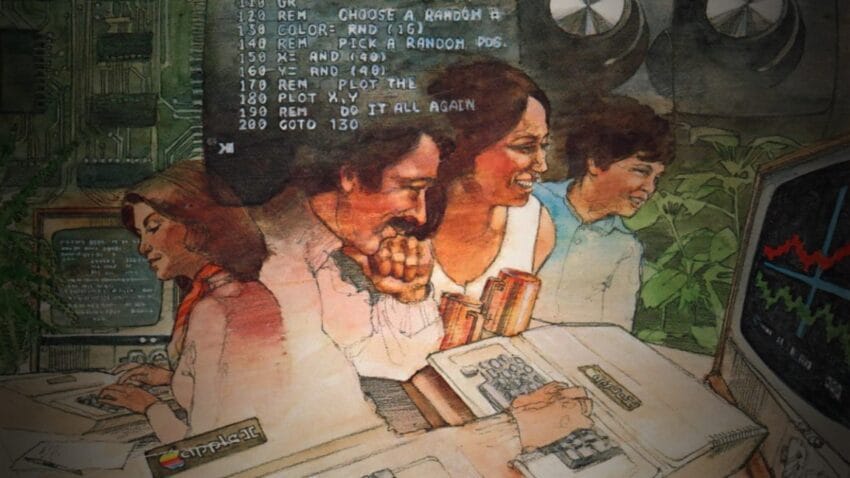
microsoft open-sources bill gates 6502 basic from Microsoft has made a significant move by open-sourcing the complete source code for Microsoft BASIC for 6502 Version 1.1, a pivotal software that played a crucial role in the early days of personal computing.
microsoft open-sources bill gates 6502 basic from
Historical Context of Microsoft BASIC
Released in 1978, Microsoft BASIC for 6502 was designed to run on various early personal computers, including the Commodore PET, VIC-20, Commodore 64, and Apple II. This interpreter was not just a piece of software; it was a gateway for many users into the world of programming. The 6502 microprocessor, which powered these machines, was renowned for its affordability and efficiency, making it a popular choice among manufacturers of early personal computers.
The significance of BASIC (Beginner’s All-purpose Symbolic Instruction Code) cannot be overstated. Developed in the mid-1960s, BASIC was designed to be an easy-to-learn programming language that would allow students and novices to write simple programs without needing extensive knowledge of computer science. By the late 1970s, Microsoft had adapted this language for various hardware platforms, making it accessible to a broader audience.
Bill Gates and the Creation of 6502 BASIC
Bill Gates, co-founder of Microsoft, played a pivotal role in the development of 6502 BASIC. In a blog post on Page Table in 2010, Gates reflected on the creation of the interpreter, stating, “Rick Weiland and I wrote the 6502 BASIC. I put the WAIT command in.” This personal touch highlights the hands-on approach that Gates and his team had during the early days of Microsoft.
The 6502 BASIC interpreter consisted of 6,955 lines of assembly language code, which Microsoft has now made available on GitHub under an MIT license. This licensing allows anyone to freely use, modify, and distribute the code, fostering a spirit of collaboration and innovation reminiscent of the early computing community.
The Impact of 6502 BASIC on Early Computing
For millions of users in the late 1970s and early 1980s, 6502 BASIC was their first encounter with programming. The simplicity of the language allowed users to write basic commands that could produce immediate results on their screens. For instance, a user could type:
10 PRINT 'HELLO'
20 GOTO 10
This simple program would create an endless loop, displaying the word “HELLO” repeatedly. Such experiences were transformative for many, providing a sense of control and creativity that was previously unattainable. The ability to interact with a computer in such a direct manner laid the groundwork for a generation of programmers and tech enthusiasts.
Technical Aspects of 6502 BASIC
The 6502 BASIC interpreter was designed to be efficient and effective, translating human-readable commands into machine-level instructions that the 6502 processor could execute. This translation process was crucial, as it allowed users to write code in a language that was much easier to understand than the binary code that computers natively process.
Assembly language, the foundation of 6502 BASIC, is a low-level programming language that provides a symbolic representation of a computer’s machine code. This means that while the code is more readable than binary, it still requires a good understanding of the underlying hardware. The decision to use assembly language for 6502 BASIC was a strategic one, allowing Microsoft to optimize the performance of the interpreter for the 6502 microprocessor.
Open-Sourcing and Its Implications
The decision to open-source 6502 BASIC is significant for several reasons. First, it allows modern developers and enthusiasts to explore the code, understand its workings, and even contribute to its evolution. By making the source code available under an MIT license, Microsoft is encouraging a collaborative approach to software development, reminiscent of the early days of computing when sharing and modifying code was commonplace.
Second, this move serves as a reminder of Microsoft’s historical role in the software industry. As one of the pioneers of personal computing, Microsoft has a rich legacy that includes not only the development of operating systems and productivity software but also foundational programming languages like BASIC. By revisiting and sharing this piece of history, Microsoft is reinforcing its commitment to preserving the legacy of early computing.
Reactions from the Tech Community
The tech community has responded positively to Microsoft’s decision to open-source 6502 BASIC. Many developers and historians have expressed excitement about the opportunity to explore the code and learn from it. The move has been seen as a way to honor the contributions of early programmers and to inspire a new generation of developers.
Moreover, open-sourcing such a historical piece of software can lead to educational opportunities. Schools and coding boot camps can use the code as a teaching tool, allowing students to study the foundations of programming and understand the evolution of software development. This aligns with the growing trend of incorporating historical computing into modern curricula, providing context and depth to the learning experience.
Broader Implications for Software Development
The open-sourcing of 6502 BASIC also raises questions about the future of software development and the role of legacy code in modern programming. As technology continues to evolve rapidly, there is a risk that older languages and systems may be forgotten. However, initiatives like this one highlight the importance of preserving and learning from the past.
In addition, the move aligns with a broader trend in the tech industry toward open-source software. Many companies are recognizing the benefits of open-sourcing their products, including increased collaboration, innovation, and community engagement. By sharing code, organizations can tap into a global pool of talent and ideas, driving progress in ways that would be difficult to achieve in isolation.
Future of 6502 BASIC
As 6502 BASIC is now open-sourced, its future is uncertain but promising. Developers interested in retro computing may take the opportunity to create new applications or adaptations based on the original code. This could lead to the revival of interest in older computing platforms and inspire new projects that celebrate the history of personal computing.
Moreover, the open-source community may contribute enhancements or modernizations to the code, making it more accessible to contemporary users. This could involve creating user-friendly interfaces or integrating the interpreter with modern development environments, bridging the gap between past and present technologies.
Conclusion
Microsoft’s decision to open-source 6502 BASIC is a significant development in the tech world, offering a glimpse into the early days of personal computing while fostering a spirit of collaboration and innovation. As the tech community embraces this historical artifact, it serves as a reminder of the transformative power of programming and the importance of preserving the legacy of early computing.
In an era where technology is constantly evolving, initiatives like this one encourage a deeper understanding of the foundations upon which modern software is built. By making 6502 BASIC available to the public, Microsoft not only honors its past but also inspires future generations of developers to explore, learn, and innovate.
Source: Original report
Was this helpful?
Explore more: Software Development More Software Development Tech News
Last Modified: September 8, 2025 at 6:31 pm
17 views