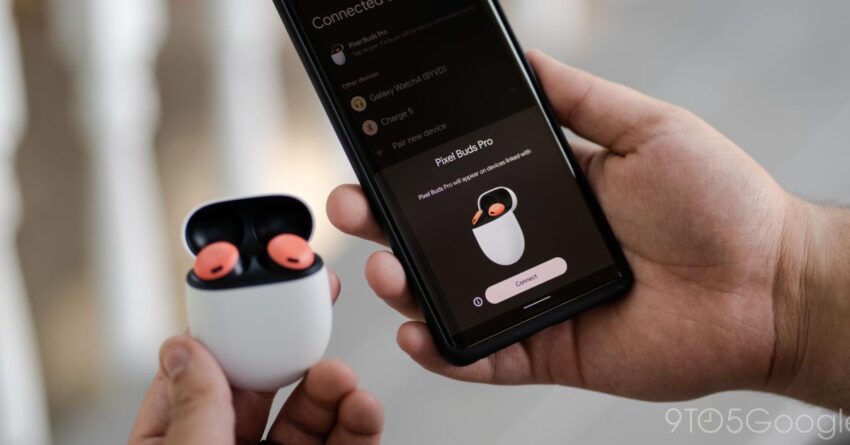
many google fast pair devices need an Recent findings indicate that numerous devices utilizing Google’s Fast Pair protocol require urgent updates to address significant security vulnerabilities that could allow attackers to track users.
many google fast pair devices need an
Understanding Google’s Fast Pair Protocol
Google’s Fast Pair protocol has revolutionized the way users connect their Bluetooth devices. Launched in 2017, it simplifies the pairing process for wireless earbuds, speakers, and other accessories, making it one of the most user-friendly Bluetooth experiences available. Fast Pair leverages Bluetooth Low Energy (BLE) technology to facilitate quick and seamless connections, automatically syncing device information across a user’s Google account. This functionality not only enhances convenience but also streamlines the user experience, allowing for easy switching between devices.
Fast Pair has been widely adopted by various manufacturers, integrating it into a range of products from headphones to smart home devices. However, the recent revelations about security vulnerabilities have raised alarms about the safety and privacy of users who rely on this technology.
Security Vulnerabilities Uncovered
A recent research paper has highlighted serious security concerns associated with certain Fast Pair devices. The vulnerabilities identified could potentially allow malicious actors to track users without their consent. The paper, authored by a team of cybersecurity experts, outlines how these exploits can be leveraged to gain unauthorized access to sensitive information.
Mechanism of the Exploit
The vulnerabilities stem from the way Fast Pair devices communicate with each other and with the Google ecosystem. The protocol relies on a series of Bluetooth connections and data exchanges, which, if not properly secured, can be intercepted by attackers. Specifically, the researchers pointed out that:
- Improper encryption methods could allow attackers to eavesdrop on communications between devices.
- Weak authentication processes might enable unauthorized devices to connect and interact with legitimate Fast Pair devices.
- Inadequate privacy measures could expose users’ location data and other sensitive information.
These vulnerabilities are particularly concerning given the widespread use of Fast Pair technology in consumer electronics. With millions of devices in circulation, the potential impact of these exploits could be significant.
Implications for Users
The implications of these vulnerabilities are far-reaching. Users who rely on Fast Pair devices for convenience may unknowingly expose themselves to risks. The ability for attackers to track users could lead to various malicious activities, including stalking, identity theft, and unauthorized access to personal information.
Individual Device Updates Required
To mitigate these risks, users must update each of their Fast Pair devices individually. This requirement poses a challenge, especially for those with multiple devices across different brands. The update process may vary depending on the manufacturer, and some users may not be aware of the need to perform these updates.
Google has not specified a universal update timeline, leaving users uncertain about when their devices will receive the necessary patches. This lack of clarity can lead to frustration, as users may feel vulnerable while waiting for updates.
Manufacturer Responses
In light of these findings, manufacturers of Fast Pair devices are under pressure to respond swiftly. Many companies have begun to issue statements acknowledging the vulnerabilities and outlining their plans for updates. Some key responses include:
- Commitment to Security: Several manufacturers have emphasized their commitment to user security and privacy, pledging to release updates as soon as possible.
- Communication with Users: Companies are encouraged to communicate transparently with their users regarding the vulnerabilities and the steps being taken to address them.
- Enhanced Security Measures: Some manufacturers are looking into implementing stronger encryption and authentication protocols to prevent similar vulnerabilities in the future.
However, the effectiveness of these responses will largely depend on the speed and efficiency of the update processes. Users are urged to stay vigilant and check for updates regularly to ensure their devices are secure.
Broader Context of Bluetooth Security
The vulnerabilities in Google’s Fast Pair protocol are part of a larger conversation about Bluetooth security. Over the years, Bluetooth technology has faced various security challenges, from vulnerabilities that allow unauthorized access to devices to issues related to data privacy. As Bluetooth technology continues to evolve, so too do the methods employed by attackers to exploit weaknesses.
Security experts have long warned that as the number of connected devices increases, so does the potential attack surface for cybercriminals. The rise of the Internet of Things (IoT) has further complicated the landscape, as many devices lack robust security measures. This situation underscores the importance of manufacturers prioritizing security in their product designs and updates.
Best Practices for Users
In light of the recent vulnerabilities, users can take several proactive steps to enhance their security when using Bluetooth devices:
- Regularly Update Devices: Ensure that all Bluetooth devices are updated to the latest firmware versions. Check for updates frequently, especially after news of vulnerabilities.
- Disable Bluetooth When Not in Use: Turn off Bluetooth when not actively using devices to minimize exposure to potential attacks.
- Use Strong Passwords: For devices that require authentication, use strong, unique passwords to enhance security.
- Be Cautious with Pairing: Only pair devices that are necessary and from trusted sources. Avoid connecting to unknown devices.
Looking Ahead
The discovery of vulnerabilities in Google’s Fast Pair protocol serves as a reminder of the ongoing challenges in securing connected devices. As technology continues to advance, both manufacturers and users must remain vigilant in addressing security concerns. The rapid pace of innovation in Bluetooth technology necessitates a proactive approach to security, ensuring that user privacy and safety are prioritized.
As manufacturers work to release updates and improve security measures, users must stay informed and take the necessary steps to protect themselves. The collaboration between technology companies and their users will be essential in navigating the complexities of Bluetooth security in the future.
In conclusion, while Google’s Fast Pair protocol offers a convenient and efficient way to connect devices, the recent security vulnerabilities highlight the importance of ongoing vigilance in the realm of technology. Users are encouraged to remain proactive in securing their devices and to stay informed about updates and best practices.
Source: Original report
Was this helpful?
Last Modified: January 15, 2026 at 8:55 pm
0 views