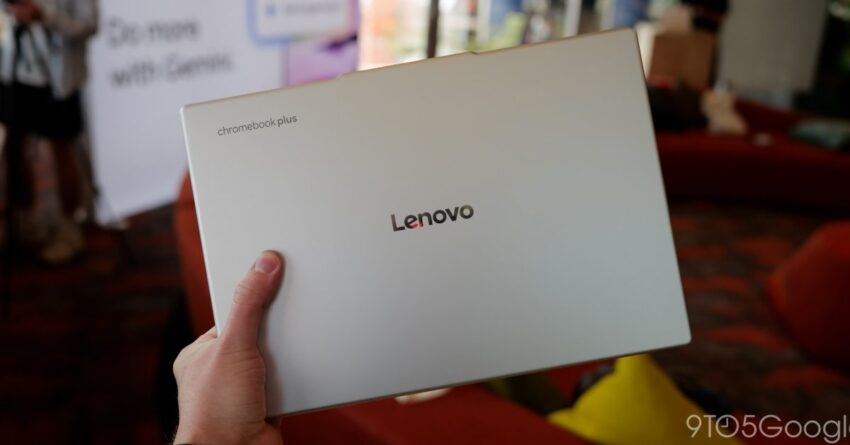
lenovo isn t saying anything about android Lenovo has recently stirred curiosity among tech enthusiasts with a support page that seemingly addressed the limitations of Android PCs, although the company has since clarified that the page was unrelated to any upcoming Android PC initiatives.
lenovo isn t saying anything about android
Background on Android PCs
The concept of Android PCs has been a topic of interest for several years, particularly as the demand for versatile computing devices continues to grow. Android, primarily known as a mobile operating system, has been adapted for various hardware configurations, including tablets and smartphones. However, the idea of running Android on traditional PC hardware has not yet gained widespread traction.
Historically, Android has been viewed as a lightweight operating system, optimized for touch interfaces and mobile applications. This has led to questions about its viability as a full-fledged desktop operating system. While some manufacturers have experimented with Android-based PCs, the results have been mixed, often falling short of user expectations for productivity and performance.
Lenovo’s Support Page Controversy
Recently, a support page on Lenovo’s website caught the attention of the tech community. This page appeared to outline the limitations of Android PCs, leading many to speculate about Lenovo’s potential plans to enter the Android PC market. The timing of this page was particularly notable, as it coincided with growing anticipation surrounding Google’s formal introduction of Android for PCs.
However, Lenovo quickly moved to clarify the situation. In a statement, the company confirmed that the support page was not indicative of any new product launches or initiatives related to Android PCs. Furthermore, Lenovo took the step of removing the page entirely, which only added to the intrigue surrounding their intentions.
Implications of the Support Page
The existence of the support page, even if it was temporary, raises several important questions about the future of Android on PC platforms. If Lenovo is not pursuing Android PCs, what does this mean for the broader ecosystem? The removal of the page suggests that Lenovo may be cautious about entering a market that has not yet proven itself viable.
Additionally, the timing of the page’s appearance raises questions about internal communications within Lenovo. It is possible that the page was a premature release, perhaps intended for internal use or as part of a broader strategy that has since been reconsidered. The tech community often scrutinizes such missteps, and Lenovo’s swift action to remove the page indicates an awareness of the potential backlash.
Stakeholder Reactions
The reaction from stakeholders has been mixed. Industry analysts have expressed skepticism about the viability of Android PCs, citing concerns over performance and software compatibility. Many believe that while Android is a powerful mobile operating system, it may not be suitable for traditional desktop environments where users expect a different level of functionality.
On the other hand, some consumers have shown interest in the idea of Android PCs, particularly for casual use cases such as web browsing, media consumption, and light productivity tasks. The allure of a familiar operating system that integrates seamlessly with mobile devices is appealing to many users who are already entrenched in the Android ecosystem.
Market Trends and Competitors
The landscape for operating systems on PCs is evolving, with various players vying for market share. Microsoft Windows remains the dominant operating system for traditional PCs, while macOS continues to attract users in the creative sector. Linux has carved out a niche among developers and tech enthusiasts, but Android has yet to establish a foothold in the desktop market.
Several companies have attempted to bridge the gap between mobile and desktop computing by introducing devices that run Android or Android-based operating systems. For instance, Google’s own Chrome OS has gained traction, particularly in educational settings and among users seeking lightweight computing solutions. Chrome OS leverages the Android app ecosystem, allowing users to access a wide range of applications while maintaining a desktop-like experience.
Google’s Role in the Android PC Ecosystem
Google’s involvement in the development of Android for PCs is crucial to the operating system’s potential success in this space. The company has been gradually expanding its focus on cross-platform compatibility, which could pave the way for a more robust Android PC experience. However, the details surrounding Google’s plans remain somewhat unclear.
As Google prepares for its formal debut of Android for PCs, the tech community is watching closely to see how the company will address the challenges that have historically plagued Android in desktop environments. Key considerations include optimizing the user interface for larger screens, ensuring compatibility with traditional desktop applications, and enhancing performance to meet user expectations.
Potential Benefits of Android PCs
Despite the challenges, there are potential benefits to adopting Android as a desktop operating system. One of the primary advantages is the vast ecosystem of applications available through the Google Play Store. Users could benefit from a wide range of productivity tools, entertainment options, and games, all within a familiar interface.
Moreover, Android’s integration with Google’s services, such as Google Drive, Google Docs, and Google Photos, could enhance productivity for users who rely on these tools. The ability to seamlessly transition between mobile and desktop environments could also appeal to users who value flexibility and convenience.
Looking Ahead: The Future of Android on PCs
As the tech industry continues to evolve, the future of Android on PCs remains uncertain. Lenovo’s recent actions highlight the complexities and challenges associated with this transition. While the company has distanced itself from the idea of Android PCs for now, the ongoing interest from consumers and the potential for innovation in this space cannot be ignored.
For Lenovo, the decision to remove the support page may reflect a strategic pivot, as the company evaluates its position in a rapidly changing market. The tech giant has a history of innovation and adaptability, and it is likely that they will continue to explore new opportunities as they arise.
Conclusion
In summary, Lenovo’s recent support page incident has sparked discussions about the viability of Android PCs and the broader implications for the tech industry. While the company has clarified its stance, the curiosity surrounding Android’s potential in the desktop market remains. As Google prepares to unveil its plans for Android on PCs, stakeholders will be watching closely to see how this initiative unfolds and what it means for the future of computing.
Source: Original report
Was this helpful?
Explore more: Mobile App Development More Mobile Technology Tech News
Last Modified: November 16, 2025 at 11:36 am
12 views