leak nvidia is about to challenge intel Nvidia is poised to enter the Windows laptop market with its own Arm-based chips, potentially reshaping the competitive landscape dominated by Intel and AMD.
leak nvidia is about to challenge intel
The Shift in the Laptop Market
For years, the Windows laptop market has been largely dominated by Intel and AMD, with their x86 architecture forming the backbone of most consumer devices. However, recent developments indicate that this landscape may be undergoing a significant transformation. The rise of Arm-based laptops, once relegated to niche markets, is gaining traction as more manufacturers embrace the technology.
Historically, Arm chips were primarily associated with mobile devices, such as smartphones and tablets. However, the introduction of competent Arm-based laptops, particularly from Qualcomm, has begun to challenge the traditional x86 dominance. With the recent leak revealing Nvidia’s plans to launch its own Arm-based laptops, the competitive dynamics in the laptop market are set to shift dramatically.
Nvidia’s Entry into the Laptop Market
Nvidia has long been recognized for its powerful graphics processing units (GPUs) that have dominated the gaming and professional markets. However, the company’s foray into Arm-based processors marks a new chapter in its evolution. The upcoming Nvidia N1 and N1X system-on-chip (SoC) processors are designed to power Windows consumer laptops, a move that could significantly impact the existing market.
Unlike traditional setups where an Nvidia GPU is paired with an Intel CPU, these new laptops will feature Nvidia’s own Arm chips at the helm. This integration promises to optimize performance and efficiency, potentially offering a compelling alternative to the x86 architecture.
Details from the Lenovo Leak
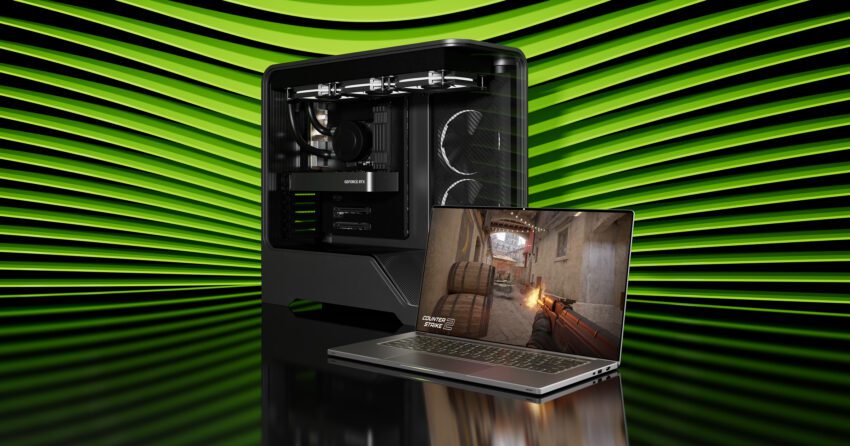
The recent leak from Lenovo has provided insights into the upcoming Nvidia-powered laptops. Reports indicate that Lenovo has developed six different models utilizing the N1 and N1X processors, including a 15-inch gaming laptop. This variety suggests that Nvidia is not merely entering the market with a single product but is instead positioning itself to cater to a wide range of consumer needs.
The inclusion of a gaming laptop in this lineup is particularly noteworthy. Gaming laptops have specific performance requirements, and Nvidia’s expertise in graphics could provide a significant advantage. By leveraging its existing technology and experience in the gaming sector, Nvidia could deliver a product that meets the high expectations of gamers.
Implications for the Industry
The introduction of Nvidia’s Arm-based laptops could have far-reaching implications for the laptop industry. As more manufacturers adopt Arm architecture, the competitive pressures on Intel and AMD will intensify. This shift could lead to several outcomes:
- Increased Competition: With Nvidia entering the fray, consumers may benefit from increased competition, leading to better pricing and improved features across the board.
- Innovation in Performance: Nvidia’s expertise in graphics and processing could drive innovation, resulting in laptops that offer superior performance, particularly in graphics-intensive applications.
- Broader Adoption of Arm Architecture: As more companies like Nvidia and Qualcomm embrace Arm, it may pave the way for wider acceptance of Arm-based systems in the mainstream market.
Potential Challenges
Despite the promising outlook, Nvidia’s entry into the laptop market is not without challenges. The x86 architecture has a long-standing presence, and many software applications are optimized for Intel and AMD processors. This could lead to compatibility issues for consumers transitioning to Arm-based laptops.
Moreover, the success of Nvidia’s Arm laptops will depend on the performance of the N1 and N1X processors. If these chips do not meet consumer expectations, it could hinder Nvidia’s efforts to establish a foothold in the market.
Stakeholder Reactions
The reaction from stakeholders in the tech industry has been mixed. Some analysts view Nvidia’s move as a bold step that could disrupt the status quo, while others express skepticism regarding the viability of Arm-based laptops in a market dominated by x86 architecture.
Intel and AMD are likely to respond to this new competition by enhancing their offerings and potentially accelerating their own innovations. The introduction of Nvidia’s Arm laptops could serve as a wake-up call for these companies, prompting them to invest more heavily in research and development to maintain their market positions.
Consumer Perspectives
From a consumer standpoint, the arrival of Nvidia’s Arm laptops could be met with enthusiasm, particularly among gamers and tech enthusiasts. The promise of enhanced performance and efficiency may attract those looking for high-performance devices. However, consumers may also be cautious, given the historical dominance of x86 processors and the potential compatibility issues that could arise.
As Nvidia prepares to launch its Arm-based laptops, consumer education will play a crucial role in the adoption of this new technology. Companies will need to effectively communicate the benefits of Arm architecture and address any concerns regarding software compatibility and performance.
Conclusion
Nvidia’s impending entry into the Windows laptop market with its Arm-based N1 and N1X processors represents a significant shift in the competitive landscape. As the company prepares to challenge the long-standing dominance of Intel and AMD, the implications for consumers, manufacturers, and the industry as a whole are profound.
With a diverse range of laptops in development, including gaming machines, Nvidia is positioning itself to cater to various consumer needs. However, the success of these products will depend on their performance and the ability to overcome the challenges associated with transitioning to Arm architecture.
As the laptop market continues to evolve, Nvidia’s move could pave the way for a more competitive and innovative landscape, ultimately benefiting consumers and pushing the boundaries of what is possible in portable computing.
Source: Original report
Was this helpful?
Explore more: More Hardware & Devices Tech News Blog
Last Modified: January 24, 2026 at 7:45 am
12 views