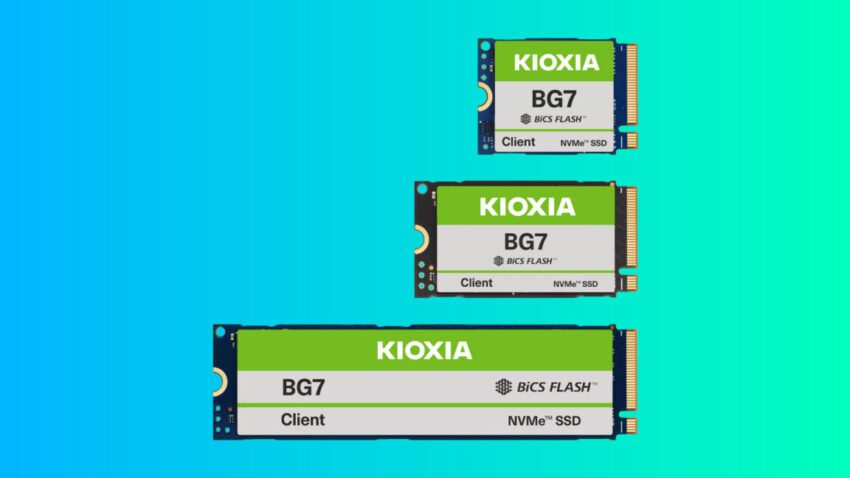
kioxia s memory is sold out for Kioxia has announced that its memory manufacturing capacity is fully booked through 2026, signaling a prolonged period of high prices for both enterprise and consumer SSDs.
kioxia s memory is sold out for
The Current State of the Memory Market
The global memory market is currently experiencing unprecedented demand, primarily driven by the rapid expansion of artificial intelligence (AI) technologies. Companies that manufacture RAM and flash memory chips are reaping record profits, as the surge in AI applications has led to a significant increase in memory requirements. This phenomenon is often referred to as the “AI-induced memory crunch.”
As demand continues to outstrip supply, manufacturers are grappling with the implications of this imbalance. Kioxia, a prominent player in the memory industry, has recently indicated that it does not foresee any improvement in market conditions through 2026. This outlook is particularly concerning for consumers and businesses alike, as it suggests that the high prices for memory products will persist.
Insights from Kioxia’s Leadership
Shunsuke Nakato, managing director of Kioxia’s memory division, shared insights on the current state of the market during an interview with PC Gamer. He emphasized that Kioxia’s manufacturing capacity is sold out for the remainder of 2026. This situation is expected to drive the market into what Nakato describes as a “high-end and expensive phase.” The implications of this statement are significant, as it suggests that both enterprise-level and consumer-grade SSDs will remain costly for the foreseeable future.
Nakato elaborated on the urgency that companies feel regarding investments in AI. He noted, “There is a sense of crisis that companies will be eliminated the moment they stop investing in AI, so they have no choice but to continue investing.” This sentiment reflects a broader trend in the tech industry, where businesses are increasingly prioritizing AI capabilities to remain competitive.
Factors Contributing to the Memory Crunch
Several factors are contributing to the current memory crunch, and understanding these elements is crucial for grasping the challenges that lie ahead.
- Increased Demand for AI Applications: The rise of generative AI and other data-intensive applications has led to a surge in demand for memory. Data centers are expanding rapidly to accommodate the processing needs of AI algorithms, which require substantial amounts of RAM and flash memory.
- Supply Chain Disruptions: The COVID-19 pandemic has caused significant disruptions in global supply chains, affecting the production and distribution of memory chips. These disruptions have compounded existing shortages and contributed to rising prices.
- Investment in Infrastructure: Companies are investing heavily in building new data centers and upgrading existing ones to support AI workloads. This investment requires substantial amounts of memory, further straining supply.
- Technological Advancements: As memory technology evolves, manufacturers are racing to develop faster and more efficient chips. However, the transition to new technologies can be slow and costly, impacting supply availability.
Implications for Consumers and Businesses
The implications of Kioxia’s announcement are far-reaching. For consumers, the prospect of continued high prices for SSDs means that upgrading personal devices may become increasingly expensive. Gamers, content creators, and professionals who rely on high-performance storage solutions will likely feel the pinch as they navigate a market characterized by inflated prices.
Businesses, particularly those in tech and data-intensive industries, will also face challenges. The need to invest in memory solutions to support AI initiatives may strain budgets, leading to difficult decisions about resource allocation. Companies may need to weigh the benefits of investing in cutting-edge technology against the rising costs of essential components.
Market Reactions and Future Outlook
The memory market’s current trajectory has elicited varied reactions from stakeholders. Investors in memory manufacturers are likely to view the situation as an opportunity for profit, given the sustained demand and high prices. However, this optimism may not extend to consumers and businesses, who are left grappling with the financial implications of the memory crunch.
Potential Strategies for Mitigating Costs
As the market continues to evolve, consumers and businesses may need to adopt strategies to mitigate the impact of high memory prices. Some potential approaches include:
- Prioritizing Upgrades: Consumers should assess their current memory needs and prioritize upgrades based on usage. For instance, gamers may focus on upgrading their graphics cards and RAM before investing in additional storage.
- Exploring Alternative Solutions: Businesses may consider alternative storage solutions, such as cloud storage, which can provide flexibility and scalability without the upfront costs associated with physical SSDs.
- Waiting for Market Adjustments: Some consumers may choose to delay purchases in anticipation of potential price adjustments. However, this strategy carries risks, as prices may not decrease significantly in the near future.
The Role of AI in Shaping the Future of Memory
As AI continues to drive demand for memory, its influence on the market will likely grow. Companies that fail to invest in AI capabilities risk falling behind, as Nakato pointed out. This creates a cycle where businesses must continually invest in memory and infrastructure to remain competitive.
Moreover, the ongoing evolution of AI technologies will likely lead to new applications and use cases, further driving demand for memory. As AI becomes more integrated into everyday life, the need for robust memory solutions will only increase.
Conclusion
Kioxia’s announcement regarding its memory capacity being sold out through 2026 underscores the challenges facing the memory market. With AI driving unprecedented demand and supply chain disruptions persisting, both consumers and businesses must navigate a landscape characterized by high prices and limited availability. As the market evolves, stakeholders will need to adapt their strategies to mitigate costs and remain competitive in an increasingly AI-driven world.
Source: Original report
Was this helpful?
Explore more: More Hardware & Devices Tech News Blog
Last Modified: January 22, 2026 at 5:39 am
14 views