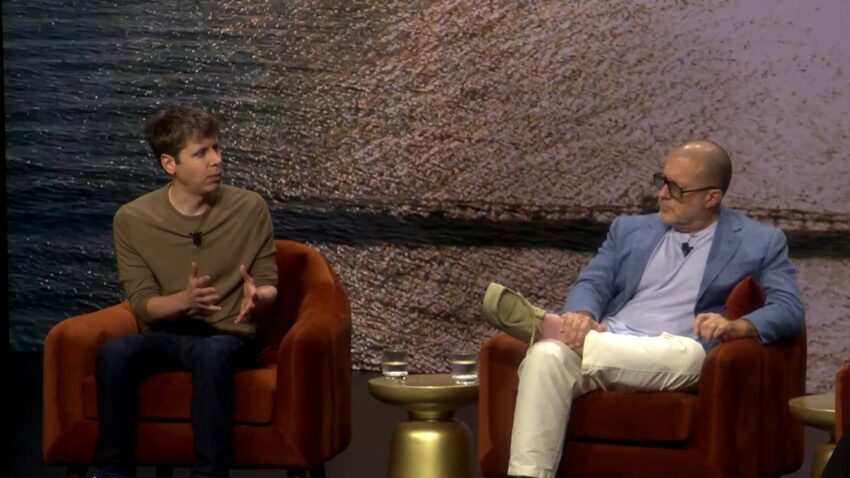
jony ive and sam altman say they OpenAI CEO Sam Altman and renowned designer Jony Ive have unveiled that they are in the prototyping phase of a groundbreaking AI hardware device, hinting at a potential release within the next two years.
jony ive and sam altman say they
Background on the Collaboration
The partnership between Altman and Ive represents a significant intersection of artificial intelligence and design. Sam Altman, who has been at the forefront of AI development through OpenAI, has been vocal about the transformative potential of AI technologies. Jony Ive, famed for his work at Apple, is known for his minimalist design philosophy and has been instrumental in shaping some of the most iconic consumer electronics in history. Their collaboration suggests a focus not only on functionality but also on aesthetics and user experience, which could redefine how consumers interact with AI technology.
Details of the Prototype
During an interview at Emerson Collective’s 2025 Demo Day, both Altman and Ive provided insights into the mysterious hardware they are developing. Although specific details remain scarce, they indicated that the device is likely to be screen-free and approximately the size of a smartphone. This design choice could reflect a shift away from traditional interfaces, emphasizing a more intuitive interaction with AI.
Design Philosophy
Altman described the design as “simple and beautiful and playful,” suggesting that the device aims to be both functional and aesthetically pleasing. He expressed excitement about the evolution of the prototype, noting that an earlier version did not evoke the same emotional response. He stated, “There was an earlier prototype that we were quite excited about, but I did not have any feeling of, ‘I want to pick up that thing and take a bite out of it,’ and then finally we got there all of a sudden.” This statement underscores the importance of emotional engagement in product design, particularly in the tech industry.
Ive echoed this sentiment, emphasizing the value of simplicity and whimsy in design. He remarked, “I love solutions that teeter on appearing almost naive in their simplicity, and I also love incredibly intelligent, sophisticated products that you want to touch, and you feel no intimidation, and you want to use almost carelessly, that you use them almost without thought, that they’re just tools.” This perspective highlights a growing trend in technology where user-friendly design is prioritized, making advanced tools accessible to a broader audience.
Implications for the AI Landscape
The introduction of a new AI hardware device could have far-reaching implications for the industry. As AI continues to integrate into everyday life, the demand for user-friendly interfaces is increasing. A device that is both sophisticated and easy to use could attract a wide range of consumers, from tech enthusiasts to those who may be intimidated by traditional technology.
Market Positioning
OpenAI’s entry into hardware development could position the company uniquely within the tech landscape. While many AI companies focus primarily on software, the combination of hardware and software could lead to a more cohesive user experience. This strategy may allow OpenAI to differentiate itself from competitors and establish a stronger foothold in the market.
Consumer Expectations
As Altman noted, he hopes that when people see the device, their immediate reaction will be, “That’s it!” This expectation reflects a desire for instant recognition and acceptance of the product. If successful, the device could set a new standard for AI hardware, influencing future designs and consumer expectations.
Stakeholder Reactions
The announcement has garnered attention from various stakeholders in the tech community. Industry analysts are keenly observing the development, as it could signal a shift in how AI technologies are delivered to consumers. The focus on design and user experience may resonate with a demographic that has previously been hesitant to adopt AI technologies.
Potential Challenges
Despite the excitement surrounding the prototype, challenges remain. One significant hurdle is ensuring that the device meets the high expectations set by both Altman and Ive. The tech industry is rife with examples of products that failed to deliver on their promises, leading to consumer disappointment. Additionally, the integration of advanced AI capabilities into a compact, user-friendly device will require significant innovation and engineering expertise.
Future Developments
As the prototype progresses, more details are likely to emerge. The timeline for release, currently estimated at less than two years, will be closely monitored by both consumers and industry experts. OpenAI’s commitment to transparency and user engagement could play a crucial role in shaping the narrative around the device as it moves closer to launch.
Conclusion
The collaboration between Sam Altman and Jony Ive marks a pivotal moment in the development of AI hardware. By focusing on simplicity, beauty, and user engagement, they aim to create a device that not only serves a functional purpose but also resonates emotionally with users. As the prototype evolves, the tech community will be watching closely, eager to see how this innovative approach to AI hardware unfolds.
With the potential to redefine user interaction with AI, this project could set new benchmarks for the industry. As Altman and Ive continue to refine their vision, the anticipation surrounding the device suggests that it could become a significant player in the evolving landscape of artificial intelligence.
Source: Original report
Was this helpful?
Explore more: More Hardware & Devices Tech News Blog
Last Modified: November 24, 2025 at 9:37 pm
27 views