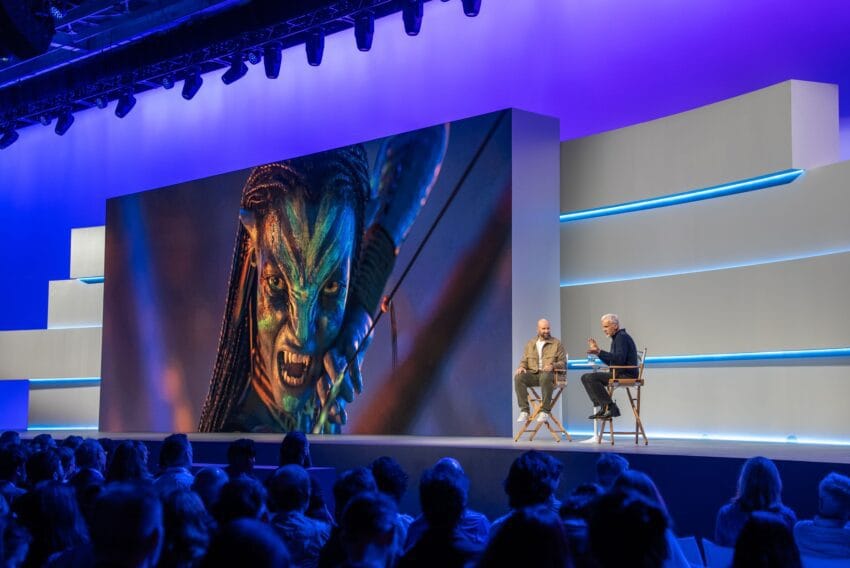
james cameron on ai it s just James Cameron recently shared his insights on artificial intelligence and its creative potential during a keynote appearance at Meta Connect.
james cameron on ai it s just
Collaboration Between Meta and Lightstorm Vision
In December 2022, Meta announced a multiyear partnership with James Cameron’s Lightstorm Vision, aiming to revolutionize the way audiences experience 3D entertainment through Meta’s Quest headsets. This collaboration is particularly significant given Cameron’s extensive background in filmmaking and technology, especially in the realm of 3D cinema. The partnership is set to explore the intersection of advanced technology and storytelling, with a focus on enhancing the viewer’s experience.
During the Meta Connect conference, Cameron joined Meta’s Chief Technology Officer, Andrew Bosworth, on stage to discuss the first tangible outcome of their partnership. Attendees were treated to an exclusive preview clip of Cameron’s highly anticipated film, Avatar 3, accessible through the new Horizon TV app on the Quest headsets. This initiative not only showcases the capabilities of mixed reality technology but also highlights the potential for immersive storytelling in the digital age.
The Promise of Mixed Reality
Mixed reality (MR) technology has been gaining traction in recent years, with applications ranging from gaming to education and beyond. Cameron and Bosworth emphasized the transformative potential of MR headsets in delivering 3D video experiences that are more engaging and interactive than traditional media formats. Cameron noted that the immersive nature of mixed reality allows viewers to feel as though they are part of the story, rather than merely observers.
Historical Context of 3D Technology
The conversation also touched on the complicated history of 3D television. While 3D films have enjoyed periods of popularity, the transition to 3D TV in homes has been fraught with challenges. Many consumers found the technology cumbersome, and the novelty quickly wore off. Cameron acknowledged these past difficulties but expressed optimism about the advancements in mixed reality technology, which he believes can overcome the limitations of earlier 3D formats.
One of the key differences between traditional 3D and mixed reality is the level of interactivity and immersion that MR offers. Cameron pointed out that while 3D films often require viewers to wear glasses, mixed reality headsets can create a more seamless experience. This shift in technology could pave the way for a new era of storytelling, where audiences are not just passive viewers but active participants in the narrative.
AI and Creativity
Another focal point of the discussion was Cameron’s perspective on artificial intelligence. He expressed a nuanced view, stating that while AI can be “just as creative” as humans, it lacks the “unique lived experience” that informs human creativity. This distinction is crucial, as it raises questions about the role of AI in creative fields, including filmmaking and storytelling.
Implications for the Film Industry
Cameron’s remarks come at a time when the film industry is grappling with the implications of AI technology. As AI tools become increasingly sophisticated, they are being integrated into various aspects of filmmaking, from scriptwriting to visual effects. However, Cameron cautioned against over-reliance on AI, emphasizing that human experience and emotional depth are irreplaceable elements of storytelling.
He elaborated that while AI can analyze vast amounts of data and generate content, it does not possess the emotional intelligence or personal experiences that shape human narratives. This perspective aligns with ongoing debates in the creative community about the balance between leveraging technology and preserving the human touch in art.
Stakeholder Reactions
The partnership between Meta and Lightstorm Vision has garnered attention from various stakeholders, including filmmakers, tech enthusiasts, and consumers. Many in the film industry view this collaboration as a promising step toward integrating cutting-edge technology with traditional storytelling methods. The ability to showcase exclusive content through mixed reality platforms is seen as a way to engage audiences in new and exciting ways.
However, there are also concerns regarding the accessibility of such technology. While mixed reality headsets like Meta’s Quest offer innovative experiences, the cost and complexity of these devices may limit their adoption among mainstream audiences. Critics argue that for mixed reality to truly succeed, it must be made more accessible and user-friendly.
Consumer Engagement
Engagement is a critical factor in the success of any new technology, particularly in the entertainment sector. By providing exclusive content like the Avatar 3 preview, Meta aims to entice consumers to explore mixed reality experiences. This strategy not only promotes the Quest headsets but also serves to build anticipation for upcoming films, creating a symbiotic relationship between technology and storytelling.
As the film industry continues to evolve, the integration of mixed reality and AI will likely play a significant role in shaping the future of entertainment. The ability to create immersive experiences that resonate with audiences could redefine how stories are told and consumed.
The Future of Storytelling
Looking ahead, both Cameron and Bosworth expressed excitement about the potential for mixed reality to transform storytelling. They envision a future where audiences can engage with narratives in ways that were previously unimaginable. This could include interactive experiences where viewers make choices that influence the direction of the story, or environments that adapt in real-time based on audience reactions.
Such advancements could revolutionize not only film but also other forms of media, including video games, virtual reality experiences, and even live performances. The blending of physical and digital worlds could create a more holistic approach to storytelling, allowing for richer and more diverse narratives.
Challenges Ahead
Despite the promising outlook, challenges remain. The development of mixed reality technology is still in its early stages, and there are technical hurdles to overcome. Issues such as user comfort, content creation, and device affordability will need to be addressed for mixed reality to reach its full potential.
Moreover, as AI continues to evolve, ethical considerations will become increasingly important. The film industry must navigate the implications of using AI in creative processes, ensuring that human creativity remains at the forefront. Balancing innovation with ethical responsibility will be crucial as technology continues to advance.
Conclusion
James Cameron’s insights during the Meta Connect conference highlight the exciting possibilities that lie ahead for mixed reality and artificial intelligence in the realm of storytelling. As technology continues to evolve, the collaboration between Meta and Lightstorm Vision serves as a testament to the potential for innovation in entertainment. While challenges remain, the future of storytelling promises to be more immersive and engaging than ever before.
Source: Original report
Was this helpful?
Explore more: AI Automation Services More AI & Automation Tech News
Last Modified: September 18, 2025 at 8:36 pm
8 views