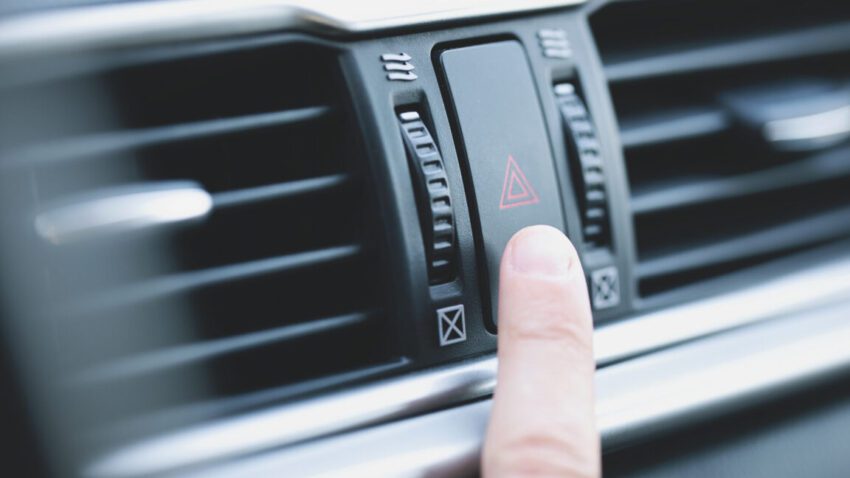
is 2026 the year buttons come back As automotive design trends evolve, a significant shift may be on the horizon, with safety regulators advocating for the return of physical buttons in vehicles.
is 2026 the year buttons come back
The Evolution of Automotive Design Trends
The automotive industry, much like any design-driven sector, is heavily influenced by trends and fashions. These trends often provoke mixed reactions from consumers, who may find certain design choices impractical or even frustrating. For instance, the transition from 16-inch wheels to 20-inch wheels has been a notable shift, primarily aimed at enhancing the aesthetic appeal of vehicles. This trend is particularly evident in SUVs, where larger wheels can create an illusion of a smaller vehicle, especially when paired with bulky electric vehicle batteries that are often concealed within the chassis.
Another prominent trend is the proliferation of infotainment screens, which have become a staple in modern vehicles. Many cars now feature individual screens for front seat passengers, equipped with active filter technology designed to minimize distractions for the driver. This focus on technology, while innovative, raises questions about usability and safety, particularly when drivers must navigate complex interfaces while on the road.
Moreover, the current buzz surrounding artificial intelligence (AI) has led to its integration into various aspects of automotive design. From advanced driver-assistance systems to AI-driven infotainment solutions, the automotive landscape is rapidly evolving. However, as with any trend, the longevity of these design choices is uncertain.
Shifting Away from Trends
Trends in automotive design are often fleeting. For example, the once-ubiquitous use of piano black trim in vehicle interiors has waned. This glossy black plastic was favored for its ability to conceal infotainment screens when not in use. However, it quickly became apparent that these surfaces are prone to scratching and show every speck of dust, lint, and fingerprint. This realization prompted a reevaluation of design choices within the industry. Kia designer Jochen Paesen noted a shift in sentiment, stating, “Black gloss has had its time—we can do without it.” This sentiment reflects a broader acknowledgment that aesthetics should not come at the expense of practicality.
The Safety Implications of Design Choices
While many design trends may be annoying or impractical, the shift away from physical buttons in vehicles presents a more serious concern: safety. The increasing reliance on touchscreens and voice commands has raised alarms among safety regulators. As vehicles become more technologically advanced, the potential for driver distraction has grown, prompting regulatory bodies to take action.
Regulatory Pushback
In recent years, safety organizations have begun to scrutinize the design choices made by automotive manufacturers. The Euro New Car Assessment Programme (NCAP), responsible for crash testing vehicles in Europe, announced that starting in 2026, it would deduct points for vehicles that lack separate, physical controls for basic functions. This decision underscores the growing recognition that drivers should be able to operate essential controls without diverting their attention from the road.
Following suit, the Australasian New Car Assessment Program (ANCAP) has implemented similar guidelines for crash testing in Australia and New Zealand. This alignment between regulatory bodies signifies a collective acknowledgment of the importance of driver safety in the face of evolving design trends.
The Case for Physical Controls
The push for the reintroduction of physical buttons in vehicles is rooted in the desire to enhance safety and usability. Physical controls allow drivers to operate essential functions such as climate control, audio settings, and navigation without having to take their eyes off the road. This tactile feedback can significantly reduce the cognitive load on drivers, enabling them to maintain focus on their surroundings.
Consumer Preferences
Consumer preferences also play a crucial role in this discussion. Many drivers express a preference for physical buttons over touchscreens, citing ease of use and familiarity. The tactile nature of buttons allows for quicker and more intuitive interactions, particularly in situations where drivers may need to make adjustments while driving. This sentiment is echoed by various surveys and studies, which indicate that a significant portion of consumers prioritize functionality and safety over aesthetic considerations.
Challenges for Automakers
Despite the clear advantages of physical controls, automakers face challenges in balancing consumer preferences with design trends. The push for sleek, minimalist interiors often clashes with the practicality of physical buttons. Many manufacturers have invested heavily in touchscreen technology and voice-activated systems, making a return to buttons a complex decision.
Additionally, the integration of advanced technologies such as AI and machine learning into vehicles presents both opportunities and challenges. While these technologies can enhance user experience, they also risk contributing to driver distraction if not implemented thoughtfully. Automakers must navigate these competing interests while ensuring that safety remains a top priority.
Broader Implications for the Automotive Industry
The potential reintroduction of physical buttons in vehicles carries broader implications for the automotive industry. As safety regulators continue to emphasize the importance of driver-focused design, manufacturers may need to reevaluate their design philosophies. This shift could lead to a resurgence of physical controls, not only for basic functions but also for more advanced features.
Impact on Future Vehicle Designs
Looking ahead, the automotive industry may witness a hybrid approach to controls, blending the benefits of both physical buttons and digital interfaces. Manufacturers may explore innovative solutions that incorporate touchscreens while retaining essential physical controls for critical functions. This approach could provide the best of both worlds, allowing for a modern aesthetic without compromising safety.
Stakeholder Reactions
The reactions from various stakeholders within the automotive industry have been mixed. While some manufacturers acknowledge the importance of safety and express a willingness to adapt their designs, others remain resistant to change. The challenge lies in balancing consumer demands with the need for innovation and technological advancement.
Consumer advocacy groups have largely welcomed the push for physical buttons, emphasizing the importance of driver safety. They argue that the return of tactile controls could significantly reduce distractions and enhance the overall driving experience. This sentiment has resonated with many drivers who have expressed frustration with overly complex infotainment systems.
The Road Ahead
As the automotive industry continues to evolve, the debate over the role of physical buttons versus touchscreens is likely to intensify. The regulatory push for safety-focused design may serve as a catalyst for change, prompting manufacturers to reconsider their design philosophies. While trends may come and go, the fundamental principle of prioritizing driver safety remains paramount.
In conclusion, the potential return of physical buttons in vehicles represents a significant shift in automotive design philosophy. As safety regulators advocate for more user-friendly controls, manufacturers must navigate the complexities of consumer preferences, technological advancements, and regulatory requirements. The outcome of this debate will shape the future of automotive design, ultimately influencing the driving experience for years to come.
Source: Original report
Was this helpful?
Last Modified: January 14, 2026 at 7:37 pm
5 views