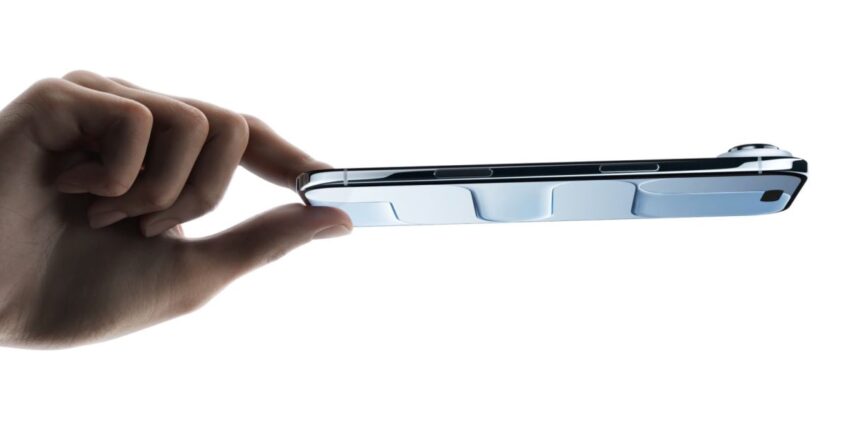
iphone air gets a sim card slot A Chinese user has successfully modified an iPhone Air to include a SIM card tray, showcasing the potential for hardware customization in mobile devices.
iphone air gets a sim card slot
Background on the iPhone Air
The iPhone Air, released by Apple, represents a significant step in the evolution of mobile technology. Known for its sleek design and lightweight build, the iPhone Air was initially marketed as a device that prioritizes portability and performance. However, it has also been a subject of discussion regarding its limitations, particularly concerning connectivity options. Unlike its predecessors, the iPhone Air was designed without a SIM card slot, relying instead on eSIM technology for cellular connectivity. This design choice was part of Apple’s broader strategy to streamline device architecture and enhance water resistance.
The Modification Project
Recently, a Chinese user undertook an ambitious project to modify their iPhone Air by adding a SIM card tray. This modification is noteworthy not only for its technical complexity but also for what it reveals about user ingenuity in the face of design limitations. The user, who has not been publicly identified, shared their process and results on various online platforms, sparking interest among tech enthusiasts and DIY communities.
Technical Details of the Modification
The user approached the modification by carefully disassembling the iPhone Air. This process involved several steps:
- Disassembly: The user began by removing the device’s back cover, which required specialized tools to avoid damaging the internal components.
- Identifying Space: After opening the device, the user identified a suitable location for the SIM card tray. This required careful consideration of the internal layout to ensure that the modification would not interfere with existing components.
- Creating the Tray: The user crafted a custom SIM card tray, which involved using materials that could withstand the device’s operational conditions. This step was crucial, as the tray needed to securely hold the SIM card while allowing for easy insertion and removal.
- Wiring and Connectivity: The final step involved integrating the tray with the device’s internal circuitry. This was perhaps the most challenging aspect, as it required a deep understanding of the iPhone’s hardware and how to connect the SIM card to the existing system.
Challenges Faced
Throughout the modification process, the user encountered several challenges:
- Risk of Damage: Disassembling a device like the iPhone Air carries the risk of damaging sensitive components, which could render the device unusable.
- Compatibility Issues: Ensuring that the SIM card tray was compatible with the iPhone’s existing hardware was a significant hurdle. The user had to ensure that the tray did not interfere with other functionalities.
- Software Limitations: Even after successfully installing the SIM card tray, the user faced software challenges. The iPhone Air’s operating system was not initially designed to recognize a physical SIM card, which required additional modifications.
Implications of the Modification
This modification raises several important questions about the future of mobile device design and user customization. As manufacturers like Apple continue to push towards eSIM technology, the desire for physical SIM card slots may not diminish. Users who prefer the flexibility of traditional SIM cards may find themselves seeking out modifications similar to this one.
Market Reactions
The reaction from the tech community has been largely positive, with many praising the user’s ingenuity and technical skills. Forums and social media platforms have seen discussions about the feasibility of such modifications, with some users expressing interest in attempting similar projects. However, there are also concerns regarding the implications of modifying devices:
- Warranty Issues: Modifying a device in such a manner typically voids any existing warranty, which could deter some users from attempting similar projects.
- Safety Concerns: There are inherent risks in disassembling electronic devices, including potential injury from tools or damage to the device itself.
- Legal Considerations: Depending on the jurisdiction, modifying a device could raise legal questions, particularly if it involves circumventing manufacturer restrictions.
Potential for Future Modifications
The success of this project may inspire other users to explore similar modifications. As technology continues to evolve, the demand for customization options is likely to grow. This could lead to a new market for DIY modification kits or services that allow users to personalize their devices without the risks associated with self-modification.
Conclusion
The addition of a SIM card tray to the iPhone Air is a fascinating example of user-driven innovation in the tech space. While Apple has made a clear shift towards eSIM technology, this modification highlights the ongoing demand for traditional SIM card options among users. As technology continues to evolve, the balance between manufacturer design choices and user preferences will remain a critical area of discussion.
Ultimately, this project serves as a reminder of the creativity and resourcefulness of the tech community. It underscores the importance of user feedback in shaping future device designs and the potential for hardware customization to enhance user experience. As more individuals take on similar projects, we may see a shift in how manufacturers approach device design, potentially leading to more flexible and user-friendly options in the future.
Source: Original report
Was this helpful?
Explore more: Mobile App Development More Mobile Technology Tech News
Last Modified: January 24, 2026 at 8:40 am
17 views