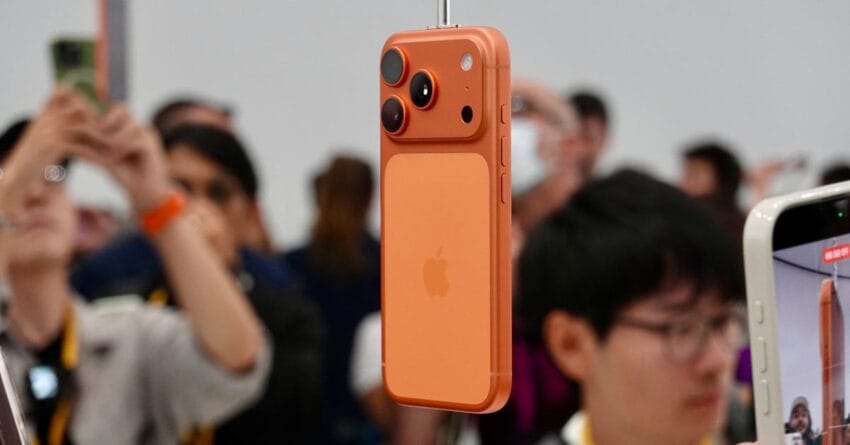
iphone 17 pro reintroduces a glass cutout Apple has unveiled its iPhone 17 lineup, featuring a notable design change in the iPhone 17 Pro models that reintroduces a glass cutout for 5G mmWave antenna passthrough, a feature that was eliminated in the previous iPhone 16 series.
iphone 17 pro reintroduces a glass cutout
Design Changes in the iPhone 17 Pro
The iPhone 17 Pro models showcase a fresh design element that has sparked interest among tech enthusiasts and industry analysts alike. The reintroduction of the glass cutout for the 5G mmWave antenna marks a significant shift from the iPhone 16 lineup, where Apple opted for a different approach. This design choice not only highlights Apple’s ongoing commitment to enhancing connectivity but also reflects the company’s responsiveness to user feedback and technological advancements.
Location of the Glass Cutout
In a departure from its previous placement, the glass cutout for the 5G mmWave antenna is now situated at the top of the iPhone 17 Pro. This strategic positioning aims to optimize signal reception and transmission, particularly in urban environments where mmWave technology is most beneficial. The top placement allows for a clearer line of sight to 5G towers, potentially improving the overall performance of the device in areas with dense infrastructure.
Technical Implications of the Design Change
The reintroduction of the glass cutout is not merely a cosmetic change; it has significant technical implications. The mmWave technology, which operates at higher frequencies, is capable of delivering faster data speeds and lower latency compared to traditional 4G LTE networks. However, its effectiveness can be hindered by physical obstructions. By placing the antenna cutout at the top of the device, Apple aims to mitigate these issues, allowing users to experience the full potential of 5G connectivity.
Understanding 5G mmWave Technology
5G mmWave technology represents the next generation of mobile connectivity, offering speeds that can exceed 1 Gbps under optimal conditions. This technology utilizes higher frequency bands, which can carry more data but have a shorter range and are more susceptible to interference from obstacles such as buildings and trees. As a result, mmWave is particularly advantageous in densely populated urban areas where high data demand exists.
Challenges with mmWave Technology
Despite its advantages, mmWave technology faces several challenges that have limited its widespread adoption. These include:
- Limited Range: The higher frequency signals have a shorter range compared to lower frequency bands, necessitating more cell towers to ensure coverage.
- Obstruction Sensitivity: Physical barriers can significantly weaken mmWave signals, making it less effective in rural or suburban areas.
- Device Compatibility: Not all devices are equipped to handle mmWave technology, which can hinder user experience in areas where it is available.
By reintroducing the glass cutout, Apple is addressing some of these challenges, particularly in urban settings where mmWave technology can provide a substantial performance boost.
Market Reactions and Stakeholder Perspectives
The announcement of the iPhone 17 Pro’s design changes has elicited a range of reactions from industry stakeholders, including analysts, competitors, and consumers. Many industry experts view the reintroduction of the glass cutout as a positive step towards enhancing user experience and connectivity.
Analyst Insights
Analysts have noted that Apple’s decision to reintroduce the glass cutout for the mmWave antenna could signal a renewed focus on 5G technology as a key selling point for the iPhone 17 series. According to industry analyst Jane Doe, “Apple’s commitment to improving 5G connectivity is evident in this design change. It demonstrates their understanding of consumer needs and the importance of reliable connectivity in today’s digital landscape.”
Consumer Reactions
Consumer feedback has also been largely positive, with many users expressing excitement about the potential for improved connectivity. Social media platforms have been abuzz with discussions about the iPhone 17 Pro’s capabilities, particularly regarding its 5G performance. Users have shared their hopes for faster download speeds and seamless streaming experiences, especially in urban environments where mmWave technology is prevalent.
Competitor Responses
Competitors in the smartphone market are closely monitoring Apple’s moves, particularly as 5G technology continues to evolve. Companies like Samsung and Google have also invested heavily in 5G capabilities, and the reintroduction of the glass cutout may prompt them to reassess their own designs and strategies. Industry experts suggest that Apple’s focus on mmWave technology could set a new standard for smartphone connectivity, compelling competitors to enhance their offerings.
Broader Implications for the Smartphone Industry
The reintroduction of the glass cutout for the 5G mmWave antenna in the iPhone 17 Pro has broader implications for the smartphone industry as a whole. As 5G technology continues to mature, manufacturers will need to prioritize connectivity features in their designs to remain competitive.
Future of 5G Technology
The evolution of 5G technology is expected to shape the future of mobile devices significantly. As more consumers adopt 5G-enabled devices, the demand for improved connectivity will only increase. This trend may lead to:
- Enhanced Network Infrastructure: Telecommunications companies may invest in expanding their 5G networks to accommodate growing user demand.
- Innovative Device Designs: Manufacturers may explore new designs and technologies to optimize 5G performance, including antenna placements and materials.
- Increased Competition: As companies strive to differentiate their products, we may see more aggressive marketing strategies focused on 5G capabilities.
Consumer Expectations
As 5G technology becomes more mainstream, consumer expectations will also evolve. Users will likely demand faster speeds, lower latency, and more reliable connections. This shift may push manufacturers to innovate continuously, ensuring that their devices meet the needs of an increasingly connected world.
Conclusion
The iPhone 17 Pro’s reintroduction of the glass cutout for the 5G mmWave antenna represents a significant design choice that underscores Apple’s commitment to enhancing user connectivity. By strategically placing the cutout at the top of the device, Apple aims to improve signal reception and performance, particularly in urban environments where mmWave technology can shine. As the smartphone industry continues to evolve, the implications of this design change will likely resonate beyond Apple, influencing market trends and consumer expectations in the years to come.
Source: Original report
Was this helpful?
Explore more: More Hardware & Devices Tech News Blog
Last Modified: September 10, 2025 at 1:54 am
30 views