
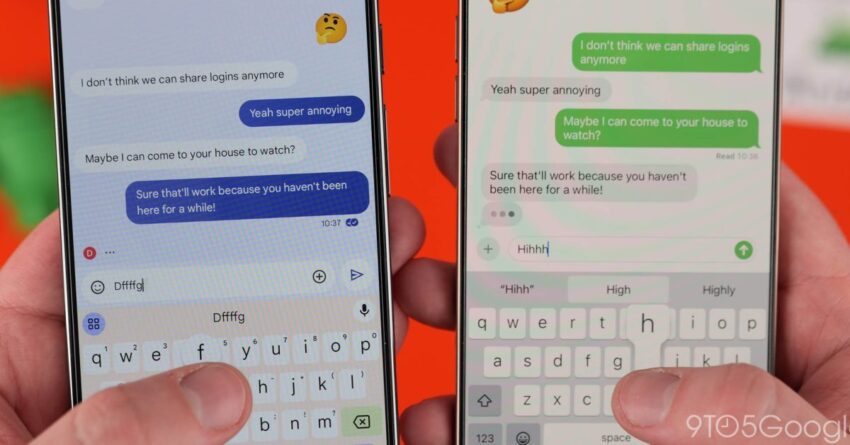
ios 26 4 beta 2 adds support Apple has released iOS 26.4 beta 2 for developers, introducing enhanced support for testing encrypted Rich Communication Services (RCS) messaging between iPhones and Android devices.
ios 26 4 beta 2 adds support
Overview of iOS 26.4 Beta 2
iOS 26.4 beta 2 marks a significant step in Apple’s ongoing efforts to improve messaging capabilities on its devices. This update is particularly noteworthy for developers, as it allows them to explore and test the functionalities of encrypted RCS messaging. RCS is designed to enhance traditional SMS and MMS messaging by providing features such as read receipts, typing indicators, and high-resolution media sharing, all while maintaining a higher level of security through encryption.
What is RCS?
Rich Communication Services (RCS) is a protocol that aims to replace SMS and MMS messaging. Developed by the GSMA (Groupe Speciale Mobile Association), RCS enhances the messaging experience by enabling a richer set of features. Unlike traditional SMS, which is limited to text and basic media, RCS supports:
- High-resolution images and videos
- Group chats
- Read receipts and typing indicators
- Location sharing
- Interactive elements such as buttons for quick replies
One of the most significant advancements with RCS is its support for end-to-end encryption, which ensures that messages are secure and can only be read by the intended recipients. This feature is particularly important in an era where data privacy and security are paramount concerns for users.
Implications of Encrypted RCS Support
The introduction of encrypted RCS support in iOS 26.4 beta 2 has several implications for both users and developers. For users, this means a more secure messaging experience when communicating with friends and family who use Android devices. The ability to send encrypted messages can help protect sensitive information from potential eavesdropping.
For developers, the new capabilities provide an opportunity to create applications that leverage RCS features. This could lead to the development of more sophisticated messaging apps that integrate seamlessly with existing platforms. As RCS adoption grows, developers may find new ways to enhance user engagement and improve communication experiences.
Stakeholder Reactions
The response to the introduction of encrypted RCS support has been mixed among stakeholders. Some industry experts view this as a positive development, emphasizing the importance of cross-platform messaging capabilities. “The ability to communicate securely across different platforms is crucial in today’s digital landscape,” said a tech analyst. “Apple’s move to support RCS could encourage more users to adopt the technology.”
On the other hand, some critics argue that Apple has been slow to adopt RCS, which has been available on Android devices for several years. “While this update is a step in the right direction, it raises questions about why Apple has taken so long to embrace a widely accepted standard,” remarked a mobile technology expert. This sentiment reflects a broader frustration among users who have long awaited improved messaging interoperability between iOS and Android.
Technical Aspects of the Update
From a technical standpoint, iOS 26.4 beta 2 introduces several enhancements that developers can leverage. The update includes:
- Support for RCS messaging features, including encryption
- Improved APIs for integrating RCS into third-party applications
- Bug fixes and performance improvements related to messaging functionalities
These enhancements are expected to streamline the development process for applications that utilize RCS, making it easier for developers to implement secure messaging features. Furthermore, the improved APIs will allow for better integration with existing iOS functionalities, providing a more cohesive user experience.
Testing and Feedback
As with any beta release, testing and feedback are crucial components of the development process. Developers who participate in the beta program are encouraged to provide feedback on their experiences with the new RCS support. Apple typically uses this feedback to address any issues and refine the features before the final release.
Beta testers can report bugs, suggest improvements, and share their experiences with the new functionalities. This collaborative approach not only helps Apple enhance its software but also fosters a sense of community among developers who are eager to contribute to the platform’s evolution.
Future of RCS and Messaging Standards
The introduction of encrypted RCS support in iOS 26.4 beta 2 raises questions about the future of messaging standards. As more companies adopt RCS, it is likely to become the de facto standard for mobile messaging. This shift could lead to a decline in traditional SMS usage, as users increasingly prefer the richer features and enhanced security offered by RCS.
Moreover, the integration of RCS into iOS could prompt other messaging platforms to enhance their features and security measures. For instance, platforms like WhatsApp and Signal, which already offer end-to-end encryption, may need to innovate further to maintain their competitive edge in a rapidly evolving landscape.
Challenges Ahead
Despite the positive developments, several challenges remain in the widespread adoption of RCS. One of the primary hurdles is the fragmentation of messaging services. While RCS is designed to work across different platforms, not all carriers and devices support it fully. This inconsistency can lead to a fragmented user experience, where some users can access RCS features while others cannot.
Additionally, there are concerns about the potential for misuse of RCS features, particularly in terms of privacy. While encryption enhances security, it also raises questions about the potential for malicious actors to exploit the technology for nefarious purposes. As RCS becomes more widely adopted, it will be essential for stakeholders to address these concerns proactively.
Conclusion
The rollout of iOS 26.4 beta 2, with its support for encrypted RCS messaging, represents a significant advancement in Apple’s messaging capabilities. This update not only enhances the user experience for iPhone users but also opens up new opportunities for developers to create innovative applications that leverage RCS features. As the industry moves toward a more unified messaging standard, the implications of this update will likely resonate throughout the tech landscape.
As Apple continues to refine its messaging platform, the focus will remain on improving security, enhancing user experience, and fostering interoperability between iOS and Android devices. The success of RCS will ultimately depend on the collective efforts of stakeholders across the industry to address challenges and promote widespread adoption.
Source: Original report
Was this helpful?
Explore more: Mobile App Development More Mobile Technology Tech News
Last Modified: February 23, 2026 at 11:41 pm
17 views














