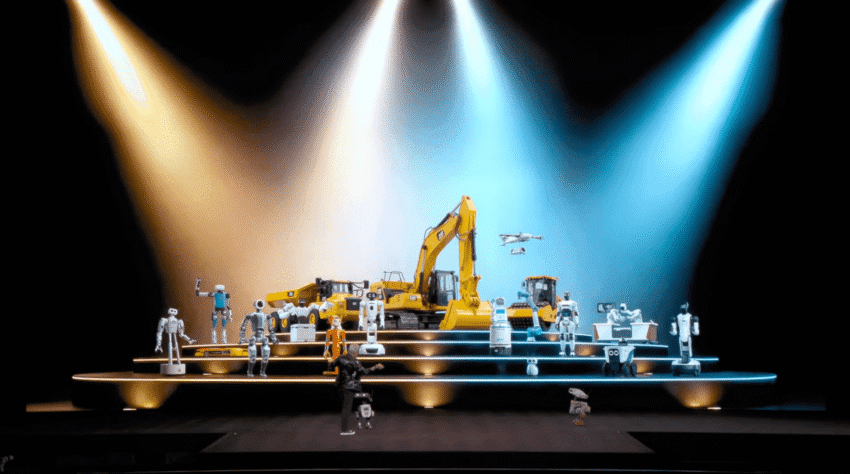
inside ces 2026 s physical ai takeover At CES 2026, the evolution of artificial intelligence (AI) took a significant leap as the technology moved beyond screens and into the physical world.
inside ces 2026 s physical ai takeover
The Emergence of Physical AI
For years, the conversation around AI has largely revolved around software applications such as chatbots and image generators. However, at CES 2026, the narrative shifted dramatically as the concept of “physical AI” took center stage. This year’s event showcased a plethora of innovations that emphasized the integration of AI into tangible products and robotics, marking a pivotal moment in the technology’s evolution.
Defining Physical AI
Physical AI refers to the application of artificial intelligence in the real world through robotics and other physical devices. Unlike traditional AI, which primarily exists in the digital realm, physical AI interacts with the environment, making decisions based on real-time data and sensory input. This shift is not merely a trend; it represents a fundamental change in how AI can enhance everyday life.
Highlights from CES 2026
The Consumer Electronics Show (CES) in Las Vegas has long been a platform for unveiling cutting-edge technology. This year, the event was dominated by innovations in physical AI, with numerous companies showcasing their latest advancements. Here are some of the most notable highlights:
Boston Dynamics’ Atlas Humanoid Robot
One of the standout exhibits was Boston Dynamics’ newly redesigned Atlas humanoid robot. Known for its impressive agility and balance, the latest version of Atlas features enhanced mobility and advanced AI capabilities. The robot demonstrated its ability to navigate complex environments, perform intricate tasks, and even engage in social interactions. This evolution signifies a step closer to robots that can assist in various sectors, from healthcare to manufacturing.
AI-Powered Ice Makers
In a surprising twist, CES 2026 also featured AI-powered ice makers, showcasing the versatility of physical AI. These devices utilize machine learning algorithms to optimize ice production, ensuring efficiency and quality. While it may seem trivial, this innovation reflects a broader trend of integrating AI into everyday household appliances, enhancing convenience and functionality.
Smart Home Innovations
Smart home technology was another focal point at CES 2026, with numerous companies unveiling AI-driven devices designed to improve home automation. From intelligent thermostats that learn user preferences to security systems that adapt to potential threats, the integration of physical AI into home environments promises to enhance safety and comfort.
The Implications of Physical AI
The rise of physical AI has far-reaching implications across various sectors. As these technologies become more prevalent, they are expected to transform industries, improve efficiency, and enhance user experiences.
Impact on Employment
One of the most pressing concerns surrounding the rise of physical AI is its potential impact on employment. As robots and AI systems become more capable, there is a growing fear that they may displace human workers in various fields. However, proponents argue that these technologies will create new job opportunities, particularly in areas such as AI maintenance, programming, and oversight.
Enhancing Efficiency
Physical AI has the potential to significantly enhance efficiency in numerous industries. For example, in manufacturing, robots equipped with AI can optimize production processes, reducing waste and increasing output. Similarly, in logistics, AI-powered systems can streamline supply chain operations, ensuring timely deliveries and minimizing costs.
Improving Quality of Life
Beyond industrial applications, physical AI also promises to improve quality of life for consumers. From healthcare robots that assist with patient care to smart home devices that simplify daily tasks, the integration of AI into physical products can lead to a more convenient and enjoyable lifestyle.
Stakeholder Reactions
The unveiling of physical AI technologies at CES 2026 elicited a range of reactions from stakeholders across the tech industry. Companies, consumers, and experts all weighed in on the implications of this technological shift.
Industry Leaders
Industry leaders expressed enthusiasm about the advancements showcased at CES 2026. Many CEOs highlighted the importance of investing in physical AI to remain competitive in an increasingly technology-driven market. For instance, a representative from a leading robotics firm noted, “The innovations we are seeing today will redefine the boundaries of what is possible with AI. We are on the brink of a new era in technology.”
Consumer Perspectives
Consumers also reacted positively to the physical AI innovations presented at the event. Many attendees expressed excitement about the potential for AI to enhance their daily lives. A survey conducted during the event revealed that a significant percentage of participants were eager to adopt AI-driven products, particularly in the realms of home automation and personal assistance.
Ethical Considerations
Despite the enthusiasm, there are ethical considerations that must be addressed as physical AI continues to evolve. Experts emphasized the need for responsible development and deployment of these technologies. Concerns regarding privacy, security, and the potential for bias in AI algorithms were highlighted as critical issues that require ongoing attention.
The Future of Physical AI
As CES 2026 demonstrated, the future of physical AI is bright and full of potential. The advancements showcased at the event are just the beginning of a broader trend that is likely to shape the technological landscape in the coming years.
Continued Innovation
With companies investing heavily in research and development, we can expect to see continued innovation in the realm of physical AI. Emerging technologies such as advanced robotics, autonomous vehicles, and AI-driven healthcare solutions are poised to revolutionize industries and improve quality of life.
Collaboration Across Sectors
The development of physical AI will require collaboration across various sectors, including technology, healthcare, and manufacturing. By working together, stakeholders can ensure that these technologies are developed responsibly and effectively, maximizing their benefits while minimizing potential risks.
Education and Training
As the demand for skilled professionals in the field of AI continues to grow, education and training will play a crucial role in shaping the future workforce. Educational institutions will need to adapt their curricula to prepare students for careers in AI, robotics, and related fields, ensuring that the workforce is equipped to meet the challenges of a rapidly changing technological landscape.
Conclusion
The developments showcased at CES 2026 mark a significant turning point in the evolution of artificial intelligence. As physical AI technologies continue to advance, they hold the potential to transform industries, improve efficiency, and enhance the quality of life for consumers. However, it is essential for stakeholders to navigate the ethical considerations and challenges that accompany this technological shift. The future of physical AI is not just about innovation; it is about creating a responsible and sustainable framework for its integration into society.
Source: Original report
Was this helpful?
Explore more: AI Automation Services More AI & Automation Tech News
Last Modified: January 10, 2026 at 12:43 am
10 views