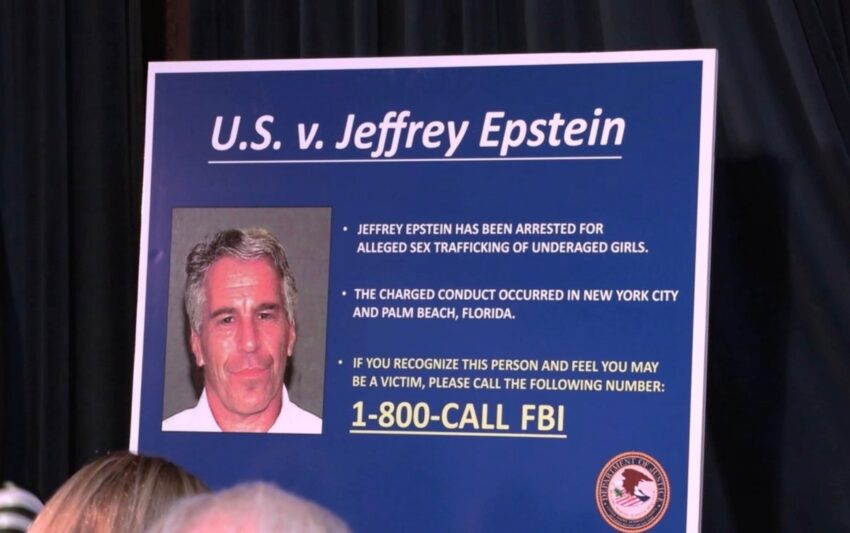
informant told fbi that jeffrey epstein had An informant has revealed to the FBI that Jeffrey Epstein employed a personal hacker who specialized in developing sophisticated cyber tools.
informant told fbi that jeffrey epstein had
Background on Jeffrey Epstein
Jeffrey Epstein, a financier and convicted sex offender, was a controversial figure whose connections spanned across various high-profile individuals, including politicians, celebrities, and royalty. His arrest in July 2019 on federal charges of sex trafficking of minors brought renewed scrutiny to his activities and associations. Epstein died in his jail cell a month later, a death ruled as suicide, but surrounded by conspiracy theories and ongoing investigations.
Epstein’s extensive network and the nature of his wealth raised questions about how he operated and maintained his influence. The recent revelation regarding his alleged personal hacker adds another layer to the complex narrative surrounding his life and activities.
The Allegations of a Personal Hacker
According to the informant, Epstein’s hacker was involved in the development of zero-day exploits and offensive cyber tools. Zero-day exploits are vulnerabilities in software that are unknown to the vendor and can be exploited by hackers before a patch is released. These tools can be used for various purposes, including espionage, data theft, and disruption of services.
The informant indicated that the hacker sold these exploits to multiple countries, including an unnamed central African government, the United Kingdom, and the United States. This raises significant concerns about the potential misuse of such tools and the implications for national security.
Understanding Zero-Day Exploits
Zero-day exploits are particularly dangerous because they can be used to compromise systems before the vulnerabilities are known and patched. Once a zero-day exploit is discovered, it can be sold on the black market for substantial sums, often reaching into the hundreds of thousands or even millions of dollars, depending on the exploit’s potential impact.
Governments and organizations often seek to acquire these exploits for intelligence-gathering purposes or to bolster their cybersecurity defenses. However, the sale of such tools to various governments, especially those with questionable human rights records, raises ethical concerns and highlights the risks associated with the proliferation of hacking tools.
Implications for National Security
The revelation that Epstein’s hacker sold exploits to multiple countries could have far-reaching implications for national security. If these tools fell into the wrong hands, they could be used to target critical infrastructure, steal sensitive information, or conduct cyber warfare. The fact that an individual with Epstein’s background was allegedly connected to such activities raises questions about the oversight and regulation of cybersecurity practices.
Moreover, the involvement of a central African government in acquiring these tools adds another layer of complexity. Many countries in Africa face significant challenges related to governance, stability, and human rights. The potential for these tools to be used against political dissidents or to suppress free speech is a pressing concern.
Stakeholder Reactions
The revelation has drawn reactions from various stakeholders, including cybersecurity experts, government officials, and human rights organizations. Cybersecurity experts have expressed alarm at the idea of a personal hacker operating in the shadows of Epstein’s life, highlighting the need for greater transparency and accountability in the cybersecurity industry.
Government officials are likely to be concerned about the implications of foreign governments acquiring such tools. The potential for espionage and cyber attacks is a significant threat, particularly in an era where cyber warfare is becoming increasingly common. The U.S. government has been actively working to strengthen its cybersecurity posture, and revelations like these could prompt further scrutiny of how hacking tools are developed and sold.
Epstein’s Network and Its Influence
Epstein’s connections to influential figures across various sectors have long been a subject of investigation. His ability to navigate elite circles and maintain relationships with powerful individuals raises questions about how he leveraged these connections for personal gain. The revelation of a personal hacker suggests that Epstein may have had access to resources that extended beyond financial wealth, potentially involving sophisticated technology and cyber capabilities.
This aspect of Epstein’s life underscores the intersection of technology and power, where individuals can manipulate information and exert influence through digital means. The implications of such power dynamics are profound, particularly in an age where information is currency and cyber capabilities can dictate geopolitical landscapes.
The Role of Informants in Cybersecurity Investigations
The role of informants in cybersecurity investigations cannot be overstated. Informants can provide critical insights into the activities of hackers, cybercriminals, and individuals involved in illicit activities. In this case, the informant’s information about Epstein’s personal hacker may lead to further investigations into the hacker’s activities and connections.
However, the use of informants also raises ethical questions. The motivations of informants can vary widely, and their credibility must be carefully assessed. In high-stakes cases like Epstein’s, the information provided can have significant consequences, making it essential for investigators to corroborate claims and ensure that the information is reliable.
Future Investigations and Legal Ramifications
The FBI’s investigation into Epstein’s activities is ongoing, and the revelation about his personal hacker may open new avenues for inquiry. Law enforcement agencies may seek to trace the hacker’s activities, identify potential clients, and assess the impact of the tools sold. This could involve collaboration with international partners, given the global nature of cybersecurity threats.
Legal ramifications may also arise from these revelations. If the hacker is identified, they could face charges related to the unauthorized sale of hacking tools, depending on the jurisdiction and the nature of the exploits. Additionally, governments that acquired these tools may face scrutiny regarding their use and the ethical implications of employing such resources.
Broader Context of Cybersecurity and Ethics
The case of Epstein’s personal hacker highlights broader issues within the cybersecurity landscape. The market for hacking tools is vast and often operates in a legal gray area. While some companies and governments seek to enhance their cybersecurity defenses, others may exploit vulnerabilities for malicious purposes.
As cyber threats continue to evolve, the ethical considerations surrounding the development and sale of hacking tools become increasingly complex. The balance between national security interests and the potential for abuse must be carefully navigated to prevent the misuse of technology.
Conclusion
The revelation that Jeffrey Epstein had a personal hacker who developed zero-day exploits and sold them to various governments raises significant questions about the intersection of technology, power, and ethics. As investigations continue, the implications for national security, human rights, and the cybersecurity landscape will likely unfold in the coming months. The case serves as a reminder of the need for greater oversight and accountability in the cybersecurity industry, as well as the importance of addressing the ethical dilemmas posed by the proliferation of hacking tools.
Source: Original report
Was this helpful?
Last Modified: January 31, 2026 at 7:40 am
0 views