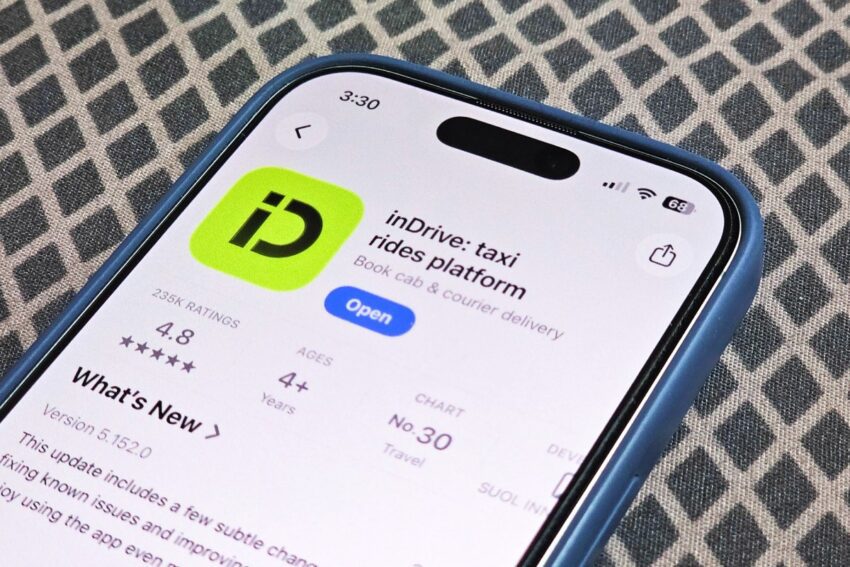
indrive turns to ads and groceries to inDrive is expanding its revenue streams by introducing advertising and grocery delivery services in its top markets.
indrive turns to ads and groceries to
Introduction to inDrive’s New Strategy
inDrive, a global player in the ride-hailing industry, is shifting its focus to diversify its revenue sources. Following successful tests in mid-2025, the company is rolling out advertising across its top 20 markets. This strategic pivot aims to enhance profitability and reduce reliance on ride-hailing services alone, which have faced increasing competition and regulatory challenges worldwide.
Background on inDrive
Founded in 2013, inDrive has carved out a niche in the ride-hailing market by offering a unique pricing model that allows passengers to negotiate fares directly with drivers. This approach has attracted a loyal user base, particularly in regions where traditional ride-hailing services have struggled to gain traction. Over the years, inDrive has expanded its operations to over 600 cities across more than 40 countries, positioning itself as a formidable competitor to giants like Uber and Lyft.
The Advertising Initiative
Details of the Advertising Rollout
The advertising initiative is set to launch in inDrive’s top 20 markets, which include major cities where the company has established a strong presence. The decision to incorporate advertising follows extensive testing that began in mid-2025, during which inDrive evaluated the effectiveness of various ad formats and their impact on user experience.
According to company representatives, the advertising will primarily focus on local businesses and services, allowing them to reach potential customers directly through the app. This localized approach is expected to resonate well with users, as it provides relevant offers and promotions tailored to their specific locations.
Types of Advertisements
The advertisements will take various forms, including:
- Banner Ads: Displayed within the app interface, these ads will promote local businesses, events, and services.
- Sponsored Listings: Businesses can pay to have their services featured prominently in search results, increasing visibility among users.
- Promotional Offers: Users may receive special deals or discounts from local merchants, incentivizing them to engage with the ads.
This multifaceted advertising strategy aims to create a win-win situation for both inDrive and local businesses, fostering community engagement while generating additional revenue for the company.
Expansion into Grocery Delivery
Introducing Grocery Services
In addition to advertising, inDrive is also venturing into grocery delivery services. This move is part of a broader trend among ride-hailing companies to diversify their offerings beyond transportation. By entering the grocery delivery market, inDrive aims to tap into the growing demand for convenient shopping solutions, particularly in urban areas where consumers increasingly prefer online shopping.
The grocery delivery service will allow users to order groceries through the inDrive app, with deliveries facilitated by local drivers. This service is expected to launch in conjunction with the advertising rollout, providing users with a comprehensive platform for both transportation and shopping needs.
Market Context and Trends
The grocery delivery market has seen significant growth in recent years, accelerated by the COVID-19 pandemic, which shifted consumer behavior towards online shopping. Major players like Instacart and Amazon Fresh have dominated this space, but there remains ample opportunity for new entrants, especially those with established logistics networks like inDrive.
By leveraging its existing driver network, inDrive can efficiently fulfill grocery orders, potentially offering faster delivery times compared to traditional grocery services. This operational synergy could enhance customer satisfaction and loyalty, further solidifying inDrive’s position in the market.
Implications of the New Revenue Streams
Financial Impact
The introduction of advertising and grocery delivery services is expected to have a significant impact on inDrive’s financial performance. By diversifying its revenue streams, the company aims to mitigate the risks associated with fluctuations in ride-hailing demand, which can be influenced by various factors such as economic conditions, regulatory changes, and competition.
Analysts predict that these new initiatives could contribute substantially to inDrive’s bottom line, particularly as the company continues to expand its user base. The dual approach of integrating advertising and grocery delivery could provide a steady revenue flow, enhancing overall financial stability.
Stakeholder Reactions
Reactions from stakeholders have been largely positive. Investors are optimistic about inDrive’s strategic pivot, viewing it as a proactive measure to adapt to changing market dynamics. The advertising initiative, in particular, has garnered attention for its potential to generate substantial revenue without significant additional investment in infrastructure.
Local businesses have also expressed interest in the advertising opportunities, recognizing the value of reaching targeted audiences through inDrive’s platform. This collaboration could foster stronger community ties and support local economies, aligning with broader trends of supporting small businesses.
Challenges Ahead
Competition in the Advertising Space
While the advertising initiative presents exciting opportunities, inDrive will face challenges in a competitive landscape. Established players in the digital advertising space, such as Google and Facebook, dominate the market, making it essential for inDrive to differentiate its offerings. The company will need to ensure that its advertising solutions provide tangible value to both advertisers and users to succeed.
Logistical Hurdles in Grocery Delivery
Similarly, entering the grocery delivery market comes with its own set of challenges. Efficiently managing inventory, ensuring timely deliveries, and maintaining quality control are critical factors that will determine the success of this initiative. inDrive will need to invest in technology and infrastructure to streamline operations and provide a seamless user experience.
Future Outlook
As inDrive embarks on this new chapter, the company’s ability to execute its advertising and grocery delivery strategies effectively will be crucial. The ride-hailing industry is evolving rapidly, and companies must adapt to survive and thrive. By diversifying its revenue streams, inDrive is positioning itself to capitalize on emerging trends and consumer preferences.
Looking ahead, inDrive’s success will depend on its ability to innovate and respond to market demands. The company must remain agile, continuously refining its offerings based on user feedback and market conditions. If successful, inDrive could set a precedent for other ride-hailing companies to follow, demonstrating the potential for growth beyond traditional transportation services.
Conclusion
inDrive’s decision to expand into advertising and grocery delivery marks a significant shift in its business strategy. By diversifying its revenue streams, the company aims to enhance profitability and reduce reliance on ride-hailing services. As it rolls out these initiatives across its top markets, inDrive will need to navigate various challenges while capitalizing on new opportunities. The coming months will be critical in determining the success of this strategic pivot, as inDrive seeks to establish itself as a multifaceted player in the evolving landscape of urban mobility and convenience services.
Source: Original report
Was this helpful?
Last Modified: January 12, 2026 at 3:37 pm
4 views