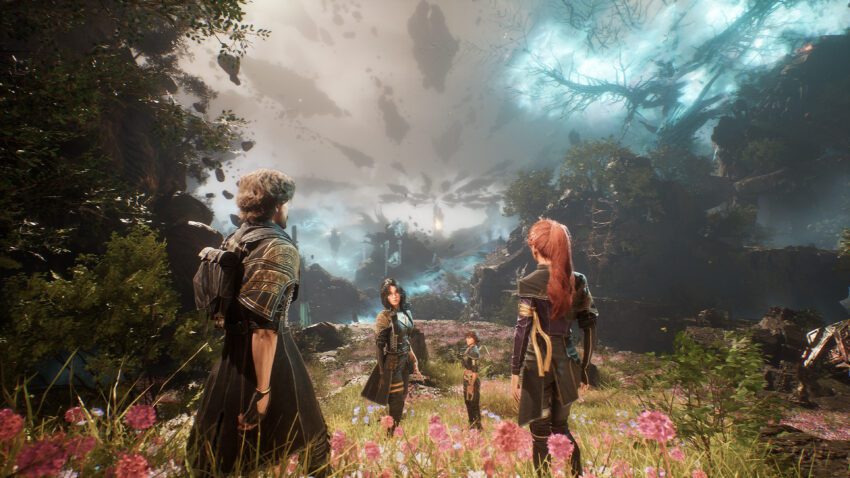
indie game awards retracts expedition 33 prizes The Indie Game Awards has retracted the Game of the Year award from Clair Obscur: Expedition 33 due to the developer’s use of generative AI during its development process.
indie game awards retracts expedition 33 prizes
Background of the Indie Game Awards
The Indie Game Awards is an annual event that recognizes outstanding achievements in the independent gaming sector. Established to celebrate creativity and innovation, the awards aim to highlight games that push the boundaries of storytelling, art, and gameplay. The event has gained significant traction over the years, attracting a diverse range of submissions from indie developers around the globe. The awards are judged by a panel of industry experts, gamers, and critics who evaluate the games based on various criteria, including originality, design, and player engagement.
Overview of Expedition 33
Clair Obscur: Expedition 33, developed by Sandfall Interactive, is a narrative-driven game that has garnered attention for its unique art style and immersive storytelling. The game invites players to explore a richly crafted world filled with mystery and adventure. Upon its release, Expedition 33 received critical acclaim for its innovative gameplay mechanics and emotional depth, making it a strong contender for various awards in the indie gaming community.
Initial Recognition
Last week, the Indie Game Awards recognized Expedition 33 with the prestigious Game of the Year award, alongside the Debut Game award. This recognition was a significant milestone for Sandfall Interactive, a relatively new player in the gaming industry. The accolades were seen as a validation of the hard work and creativity that the development team had poured into the project.
Controversy Over Generative AI Usage
However, the celebration was short-lived. Following the announcement of the awards, the Indie Game Awards organization revealed that it would be retracting both the Game of the Year and Debut Game awards due to the discovery that generative AI had been utilized during the game’s development. This revelation raised questions about the integrity of the nomination process and the criteria for award eligibility.
Indie Game Awards’ Stance on Generative AI
The Indie Game Awards has a strict policy regarding the use of generative AI in the development of nominated games. According to an FAQ released by the organization, they maintain a hard stance against the use of generative AI throughout both the nomination process and the awards ceremony itself. When Sandfall Interactive submitted Expedition 33 for consideration, a representative from the studio agreed that no generative AI was employed in the game’s development. This agreement was a crucial factor in the game’s eligibility for the awards.
Implications of the Decision
The decision to retract the awards has significant implications for both Sandfall Interactive and the broader indie gaming community. For Sandfall, the retraction not only undermines the recognition they received but also raises questions about their development practices and transparency. The use of generative AI, while increasingly common in various sectors, remains a contentious topic in the gaming industry, particularly among indie developers who often pride themselves on originality and handcrafted artistry.
Reactions from the Gaming Community
The reaction to the Indie Game Awards’ decision has been mixed, with some supporting the organization’s stance while others criticize it as overly stringent. Many in the gaming community have expressed concern about the implications of generative AI in game development. Some argue that the technology can enhance creativity and streamline certain aspects of the development process, while others believe it undermines the authenticity of indie games.
Support for the Indie Game Awards’ Decision
Supporters of the Indie Game Awards’ decision argue that maintaining a clear boundary regarding the use of generative AI is essential for preserving the integrity of the awards. They contend that the essence of indie gaming lies in the personal touch and unique vision of individual developers. By allowing generative AI to play a role in the development process, they fear that the authenticity of indie games could be compromised, leading to a homogenization of creativity.
Criticism of the Decision
On the other hand, critics of the decision argue that the use of generative AI should not automatically disqualify a game from receiving recognition. They point out that many developers are leveraging AI tools to enhance their creative processes, and that these technologies can be used responsibly to complement human creativity rather than replace it. Critics also highlight that the gaming industry is evolving, and the policies governing awards should adapt to reflect these changes.
The Future of Generative AI in Game Development
The controversy surrounding Expedition 33 raises important questions about the future of generative AI in game development. As technology continues to advance, it is likely that more developers will explore the potential of AI tools to assist in various aspects of game creation. This trend could lead to a reevaluation of existing policies and guidelines within the indie gaming community and beyond.
Potential for New Guidelines
In light of the recent events, the Indie Game Awards may need to consider revising its guidelines regarding the use of generative AI. Establishing clear criteria for what constitutes acceptable use of AI in game development could help prevent similar controversies in the future. This could involve defining specific roles that AI can play in the development process, ensuring that the core creative vision remains in the hands of human developers.
Broader Industry Implications
The discussion surrounding generative AI is not limited to the Indie Game Awards; it reflects broader trends within the gaming industry as a whole. Major studios are also grappling with the implications of AI technology, leading to ongoing debates about the balance between innovation and authenticity. As the industry evolves, it will be crucial for stakeholders to engage in open dialogue about the role of AI in game development and its impact on creativity.
Conclusion
The retraction of the Game of the Year and Debut Game awards from Clair Obscur: Expedition 33 serves as a pivotal moment for the Indie Game Awards and the indie gaming community at large. As the industry navigates the complexities of generative AI, it is essential for developers, organizations, and gamers to engage in thoughtful discussions about the future of creativity in gaming. The outcome of this controversy may shape the policies and practices surrounding awards and recognition in the indie gaming sector for years to come.
Source: Original report
Was this helpful?
Explore more: More Gaming Tech News Blog
Last Modified: December 23, 2025 at 3:41 am
16 views