in its first dsa penalty eu fines The European Commission has imposed a €120 million fine on X, the social media platform formerly known as Twitter, for its misleading blue check verification system.
in its first dsa penalty eu fines
Background on the Blue Check Verification System
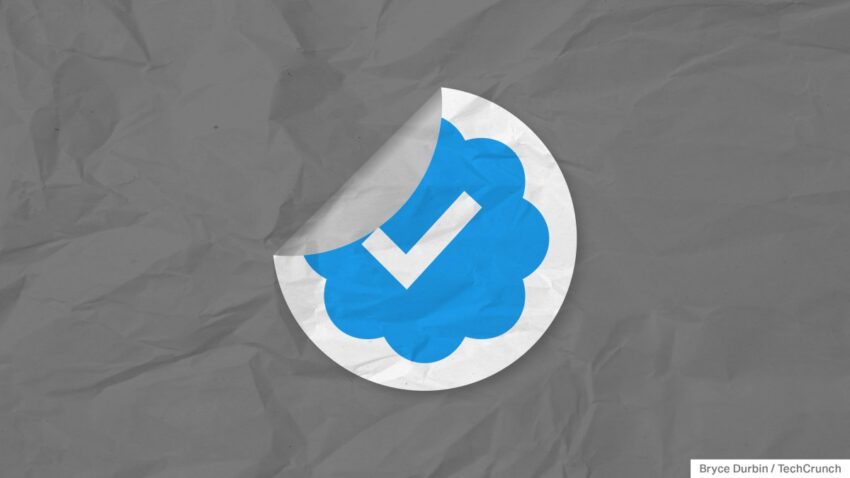
The blue checkmark on social media platforms has long been a symbol of authenticity, indicating that an account is verified and represents a notable individual, organization, or brand. Initially, this verification process was intended to prevent impersonation and misinformation by confirming the identity of users. However, the introduction of a paid verification system by X has raised significant concerns regarding its integrity and effectiveness.
Transition to Paid Verification
In late 2022, X, under the leadership of Elon Musk, transitioned its verification system to a paid model. This change allowed any user willing to pay a monthly fee to obtain a blue checkmark, regardless of their identity or influence. While the intention behind this move was to generate revenue and democratize access to verification, it inadvertently blurred the lines between authentic and inauthentic accounts.
The European Commission’s investigation into X’s verification practices revealed that the platform’s new model failed to uphold the original purpose of the blue checkmark. Instead of serving as a reliable indicator of verified identity, the system became a commodity that could be purchased, leading to widespread confusion among users and potential misinformation.
Details of the Fine
The €120 million fine represents the European Union’s first enforcement action under the Digital Services Act (DSA), a regulatory framework aimed at ensuring safer online environments and holding platforms accountable for their content moderation practices. The DSA mandates that platforms take necessary measures to prevent the spread of harmful content and misinformation.
Reasons for the Fine
The European Commission’s decision to impose the fine was based on several key factors:
- Misleading Practices: The Commission found that X’s paid verification system misled users into believing that accounts with blue checkmarks were verified and trustworthy, undermining the very purpose of verification.
- Failure to Protect Users: By allowing anyone to purchase a blue checkmark, X failed to protect users from impersonation and misinformation, which are critical issues in the digital landscape.
- Regulatory Compliance: The fine underscores the importance of compliance with the DSA, which aims to create a safer online environment by holding platforms accountable for their practices.
Implications for X and the Social Media Landscape
The fine imposed on X carries significant implications not only for the platform itself but also for the broader social media landscape. As the first enforcement action under the DSA, it sets a precedent for how the European Union will regulate online platforms and hold them accountable for their practices.
Impact on X’s Business Model
The financial penalty is a substantial blow to X, which has already faced challenges in maintaining user trust and engagement since the transition to a paid verification model. The fine may compel the platform to reevaluate its verification practices and consider implementing stricter measures to ensure that blue checkmarks are only awarded to verified individuals and organizations.
Furthermore, the fine could impact X’s revenue model, as the company may need to invest in improving its verification processes to regain user trust. This could involve developing more robust identity verification methods or reconsidering the paid verification model altogether.
Broader Regulatory Landscape
The European Commission’s action against X highlights the increasing scrutiny that social media platforms are facing from regulators worldwide. As misinformation and harmful content continue to proliferate online, governments are recognizing the need for stricter regulations to protect users and ensure accountability.
Other platforms may now be more cautious in their verification practices, knowing that they could face similar penalties if they fail to comply with regulatory standards. This could lead to a shift in how social media companies approach user verification and content moderation, prioritizing transparency and user safety over profit.
Stakeholder Reactions
The fine has elicited a range of reactions from various stakeholders, including users, digital rights advocates, and industry experts.
User Perspectives
Many users have expressed concern over the integrity of the blue check verification system since the introduction of the paid model. Some users feel that the blue checkmark has lost its value and no longer serves as a reliable indicator of authenticity. The European Commission’s decision to fine X has been welcomed by users who believe that stronger measures are needed to combat misinformation and protect online communities.
Digital Rights Advocates
Digital rights advocates have praised the European Commission’s actions, viewing the fine as a necessary step toward holding social media platforms accountable for their practices. They argue that the DSA is a crucial framework for ensuring user safety and combating misinformation, and the fine serves as a warning to other platforms that may engage in similar practices.
Industry Experts
Industry experts have noted that the fine could prompt a reevaluation of verification systems across social media platforms. They suggest that companies may need to adopt more stringent verification processes to avoid regulatory penalties and regain user trust. Additionally, experts believe that the fine could lead to increased collaboration between platforms and regulators to develop best practices for user verification and content moderation.
Looking Ahead: The Future of Verification on Social Media
The European Commission’s fine against X raises important questions about the future of verification on social media platforms. As users become more aware of the potential for misinformation and impersonation, the demand for reliable verification systems is likely to grow.
Potential Changes in Verification Practices
In response to regulatory pressures and user concerns, social media platforms may need to explore alternative verification methods that prioritize authenticity and transparency. This could include:
- Enhanced Identity Verification: Platforms may need to implement more rigorous identity verification processes, such as requiring users to provide government-issued identification or other forms of verification.
- Tiered Verification Systems: Companies could consider adopting tiered verification systems that differentiate between various levels of verification, allowing users to understand the credibility of accounts more clearly.
- Collaboration with Fact-Checking Organizations: Partnering with independent fact-checking organizations could help platforms verify the authenticity of accounts and combat misinformation more effectively.
Regulatory Evolution
The DSA represents a significant step toward regulating the digital landscape, but it is likely that additional regulations will emerge as technology evolves and new challenges arise. Social media platforms will need to stay ahead of regulatory developments and adapt their practices accordingly to ensure compliance and maintain user trust.
Conclusion
The European Commission’s €120 million fine against X serves as a critical reminder of the importance of accountability in the digital age. As social media platforms navigate the complexities of user verification and content moderation, they must prioritize transparency and user safety to foster trust and credibility. The implications of this fine extend beyond X, signaling a shift in how regulators and users view the role of social media in society.
Source: Original report
Was this helpful?
Explore more: More Big Tech & Platforms Tech News Blog
Last Modified: December 5, 2025 at 8:46 pm
17 views