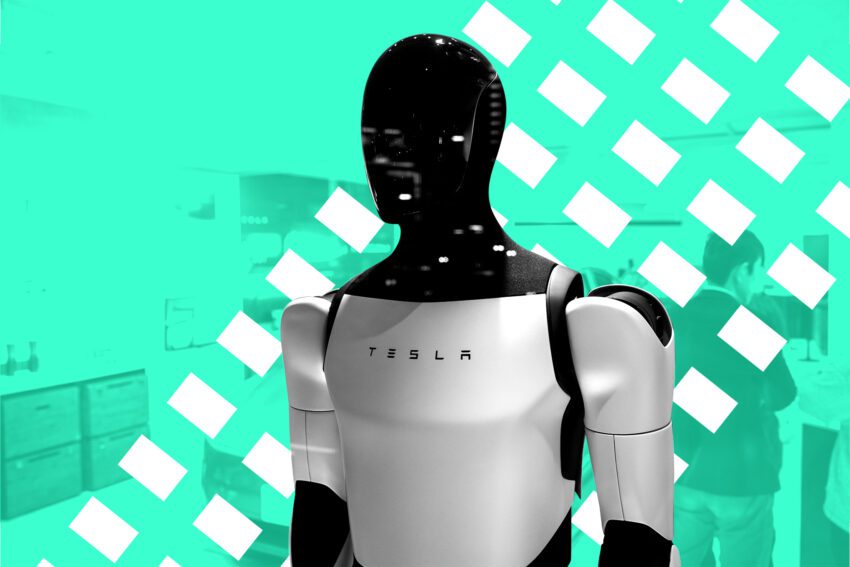
humanoid robots are coming eventually Recent advancements in robotics have reignited discussions about the future of humanoid robots, raising questions about their potential and practicality.
humanoid robots are coming eventually
Introduction to Humanoid Robots
Humanoid robots, designed to resemble and mimic human behavior, have long captured the imagination of researchers, engineers, and the public alike. From science fiction films to real-world prototypes, these machines promise to revolutionize various sectors, including healthcare, manufacturing, and personal assistance. However, the journey toward creating fully functional humanoid robots is fraught with challenges and skepticism.
The Evolution of Humanoid Robotics
The concept of humanoid robots has been around for decades, but significant strides have been made in recent years. Early attempts, such as Honda’s ASIMO and Sony’s AIBO, showcased the potential for robots to walk, talk, and interact with humans. However, these robots were often limited in their capabilities and primarily served as demonstrations of technology rather than practical solutions.
In contrast, modern humanoid robots are being developed with advanced artificial intelligence (AI) and machine learning algorithms, enabling them to learn from their environments and improve their performance over time. Companies like Boston Dynamics and Tesla are at the forefront of this evolution, pushing the boundaries of what humanoid robots can achieve.
The Tesla Optimus: A Case Study
One of the most talked-about humanoid robots in recent times is Tesla’s Optimus. Unveiled during Tesla’s AI Day in 2021, Optimus is designed to perform tasks that are repetitive, dangerous, or tedious for humans. The robot stands approximately 5 feet 8 inches tall and is intended to carry out various functions, from assembly line work to household chores.
Technical Specifications
Optimus is equipped with a range of sensors, cameras, and AI-driven software that allow it to navigate complex environments and interact with objects and people. The robot’s design emphasizes safety, with features that prevent it from causing harm to humans. Tesla claims that Optimus will be able to lift up to 150 pounds and walk at a speed of 5 miles per hour, making it a versatile tool for various applications.
Challenges and Limitations
Despite the excitement surrounding Optimus, several challenges remain. One of the primary concerns is the robot’s ability to perform tasks in unpredictable environments. While Tesla has made significant progress in developing autonomous vehicles, translating that technology to a humanoid robot is a different endeavor altogether. The complexity of human environments, with their myriad obstacles and variables, poses a significant hurdle for developers.
Moreover, the integration of AI into humanoid robots raises ethical questions. As these machines become more capable, concerns about job displacement and the implications of relying on robots for essential tasks grow. The fear is that as robots take on more responsibilities, the need for human labor could diminish, leading to economic and social challenges.
Public Perception and Skepticism
Public reaction to humanoid robots has been mixed. While many people are fascinated by the potential of these machines, others remain skeptical about their practicality and safety. Viral videos showcasing robot failures often fuel this skepticism, as viewers witness the limitations and malfunctions of these advanced machines. Such clips serve as a reminder that while technology has advanced, it is not infallible.
The Role of Media in Shaping Perception
Media coverage plays a significant role in shaping public perception of humanoid robots. Sensationalized headlines and dramatic portrayals can lead to inflated expectations, creating a disconnect between reality and public perception. As a result, many individuals may view humanoid robots as either miraculous solutions or dangerous threats, rather than tools that require careful consideration and development.
Implications for Various Sectors
The potential applications for humanoid robots are vast, spanning multiple industries. In healthcare, for instance, robots could assist with patient care, medication delivery, and even surgical procedures. In manufacturing, humanoid robots could streamline production processes, reducing costs and increasing efficiency. Additionally, they could serve as companions for the elderly or individuals with disabilities, providing support and companionship.
Healthcare Innovations
In the healthcare sector, humanoid robots could transform patient care. For example, robots equipped with AI could monitor patients’ vital signs, alerting healthcare providers to any changes that require attention. Furthermore, humanoid robots could assist in rehabilitation, guiding patients through exercises and providing motivation. The potential for robots to enhance the quality of care while reducing the burden on healthcare professionals is significant.
Manufacturing and Industry
In manufacturing, humanoid robots could take on tasks that are hazardous or physically demanding. By automating these processes, companies could improve worker safety and efficiency. Robots could also work alongside human employees, augmenting their capabilities and allowing for more complex tasks to be completed. This collaborative approach could lead to a more productive and innovative workforce.
Social and Ethical Considerations
As humanoid robots become more integrated into society, ethical considerations must be addressed. The potential for job displacement raises questions about how society will adapt to a workforce that includes robots. Policymakers, businesses, and communities must work together to develop strategies that ensure a smooth transition and support displaced workers.
The Future of Humanoid Robots
The future of humanoid robots remains uncertain, but the trajectory of technological advancements suggests that they will play an increasingly prominent role in our lives. As companies continue to invest in research and development, we can expect to see improvements in the capabilities and reliability of these machines.
Long-Term Outlook
While the current state of humanoid robotics may not match the lofty expectations set by science fiction, the potential for growth is undeniable. As AI technology continues to evolve, humanoid robots may become more adept at navigating complex environments and performing a wider range of tasks. This evolution could lead to a future where humanoid robots are commonplace in homes, workplaces, and public spaces.
Conclusion
Humanoid robots are on the horizon, but their journey from concept to reality is complex and multifaceted. While advancements like Tesla’s Optimus showcase the potential of these machines, challenges remain in terms of technical capabilities, public perception, and ethical implications. As we move forward, it is essential to approach the development of humanoid robots with a balanced perspective, recognizing both their potential benefits and the challenges they present.
Source: Original report
Was this helpful?
Explore more: AI Automation Services More AI & Automation Tech News
Last Modified: December 22, 2025 at 2:45 am
16 views