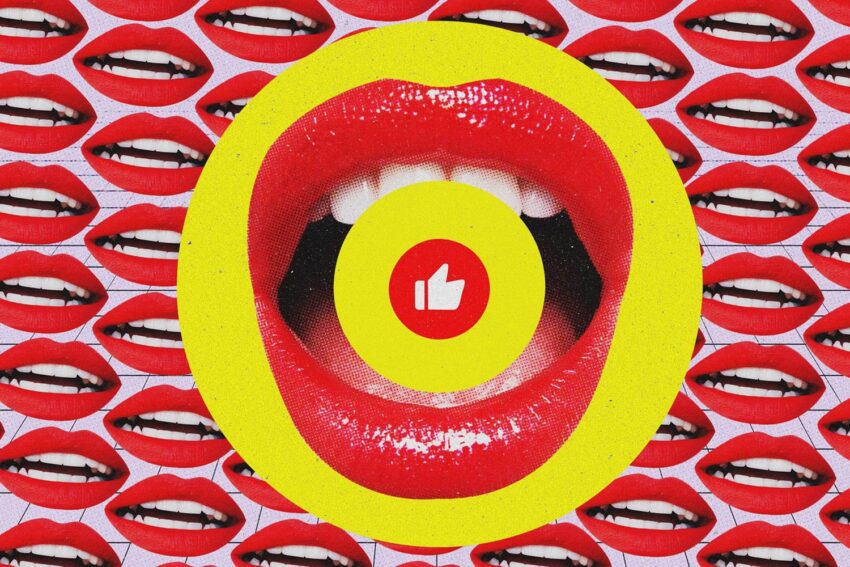
how the creator economy destroyed the internet Jimmy Donaldson, better known as MrBeast, has the most popular YouTube account with over 450 million subscribers, or a little over 1 in 16 people in the world.
how the creator economy destroyed the internet
The Rise of MrBeast and the Creator Economy
MrBeast’s success with high-production, high-output stunt videos has made him the aspirational model for independent content creators everywhere. His journey epitomizes the promise that the internet offers: a platform where gatekeepers no longer stand in the way of viral fame and the riches that supposedly come with it. However, this narrative is increasingly complicated by the realities of the creator economy.
Despite his massive following and widespread recognition, financial documents reveal that the content arm of the MrBeast empire is a tremendous money loser. For three consecutive years, the operation has been in the red, culminating in a staggering negative $110 million in 2024. This raises critical questions about the sustainability of the creator economy and the viability of the influencer model.
The Reality Behind Viral Fame
While MrBeast has become a household name, the reality is that his viral videos serve primarily as a marketing front for a line of mediocre chocolate bars available at local retailers like Walmart. This shift from content creation to product sales highlights a significant trend within the creator economy: the reliance on traditional business models to generate revenue. The dream that content creators would forge a new way to make money has been overshadowed by the oldest method in the book: selling products to millions of consumers.
This phenomenon is not unique to MrBeast. Many influencers and content creators find themselves trapped in a cycle where the content they produce is merely a vehicle for promoting products. The allure of viral fame often masks the underlying financial struggles that many creators face, leading to a disillusionment that contradicts the initial promise of the internet as a democratizing force.
The Shifting Incentives of the Content Machine
In a recent series, The Verge delves into the ever-shifting, often problematic incentives that fuel the content machine across platforms like TikTok, Instagram, and YouTube. Once upon a time, the internet was a space where creativity flourished, unencumbered by the relentless push to monetize every interaction. However, this landscape has drastically changed, with commercial interests now encroaching on every nook and cranny of the web.
The pervasive nature of advertising and influencer culture has led to a situation where the internet feels more like a marketplace than a community. The original spirit of the web, characterized by open communication and shared experiences, has been overshadowed by the constant barrage of advertisements and sponsored content. This transformation raises concerns about the authenticity of online interactions and the impact on user experience.
Commercialization of the Internet
The commercialization of the internet has not only changed how content is created but also how it is consumed. Users are bombarded with advertisements, often tailored to their preferences based on algorithms that track their behavior. This has led to a culture where the line between genuine content and sponsored posts is increasingly blurred. For many users, the experience of browsing the internet has become synonymous with shopping, leading to a sense of fatigue and frustration.
Moreover, the pressure to produce content that garners views and engagement can lead creators to prioritize sensationalism over substance. This shift has implications for the quality of content available online, as creators may resort to clickbait tactics or controversial topics to attract attention. The result is a landscape filled with superficial content that prioritizes virality over meaningful engagement.
The Influencer Economy: A Double-Edged Sword
The influencer economy has created a new class of celebrities who wield significant power over their audiences. However, this power comes with its own set of challenges. Influencers often find themselves in a precarious position, balancing the demands of their audience with the expectations of brands. This dynamic can lead to ethical dilemmas, as influencers may feel pressured to promote products or services that do not align with their values or the needs of their followers.
The Impact on Audiences
Behind every influencer is an army of the influenced, many adrift in debt and surrounded by mass-produced clutter. The platforms need influencers, and influencers need audiences, but what the influenced need is not so simple. Many users turn to social media for connection, inspiration, and entertainment, yet they often find themselves inundated with advertisements and promotional content.
This has led to a growing awareness among audiences about the nature of influencer marketing. While some consumers appreciate the recommendations from influencers they trust, others feel manipulated by the constant push to buy products. This tension creates a complex relationship between influencers and their followers, where trust can easily be eroded by the commercialization of content.
Legal and Ethical Considerations
The creator economy is also fraught with legal and ethical challenges. Issues surrounding copyright, ownership, and originality have become increasingly contentious as content is shared and repurposed across platforms. The question of who owns what in an era of unprecedented mass consumption is a pressing concern for creators and consumers alike.
Intellectual Property Issues
As creators strive to differentiate themselves in a crowded market, the risk of being copied or having their work appropriated is ever-present. While imitation can be seen as a form of flattery, it can also be devastating for creators who invest time and resources into their work. The legal landscape surrounding intellectual property is complex, and many creators may find themselves navigating murky waters when it comes to protecting their content.
Furthermore, the rise of social media has blurred the lines of ownership, making it difficult for creators to assert their rights over their work. This has led to calls for clearer regulations and protections for creators, as well as discussions about the responsibilities of platforms in safeguarding intellectual property.
The Future of the Creator Economy
As the creator economy continues to evolve, it is essential to consider its implications for the future of the internet. The commercialization of online spaces raises questions about the sustainability of this model and the potential for a backlash against influencer culture. Users may grow weary of the constant push to consume, leading to a desire for more authentic and meaningful interactions online.
Moreover, the financial struggles faced by many creators highlight the need for alternative revenue models that go beyond traditional advertising and product sales. As the landscape shifts, there may be opportunities for creators to explore new avenues for monetization that align more closely with their values and the needs of their audiences.
Potential Shifts in Consumer Behavior
As awareness of the challenges within the creator economy grows, consumers may begin to demand greater transparency and authenticity from influencers. This could lead to a shift in how content is created and consumed, with a focus on quality over quantity. Brands and influencers that prioritize genuine engagement and ethical practices may find themselves better positioned to succeed in this evolving landscape.
Conclusion
The creator economy, while offering unprecedented opportunities for fame and financial success, is not without its pitfalls. The story of MrBeast serves as a microcosm of the broader challenges facing content creators today. As the internet becomes increasingly commercialized, the original promise of a democratized platform for creativity and connection is at risk of being overshadowed by the relentless pursuit of profit.
Moving forward, it will be crucial for creators, brands, and consumers to navigate this complex landscape thoughtfully. By fostering a culture of authenticity and ethical engagement, the internet can reclaim its potential as a space for genuine connection and creativity, rather than merely a marketplace.
Source: Original report
Was this helpful?
Explore more: More Business & Startups Tech News Blog
Last Modified: December 8, 2025 at 6:37 pm
22 views