how roomba started a robot revolution iRobot’s Roomba has not only transformed the way we think about household cleaning but has also played a pivotal role in the evolution of robotics in everyday life.
how roomba started a robot revolution
The Birth of the Roomba
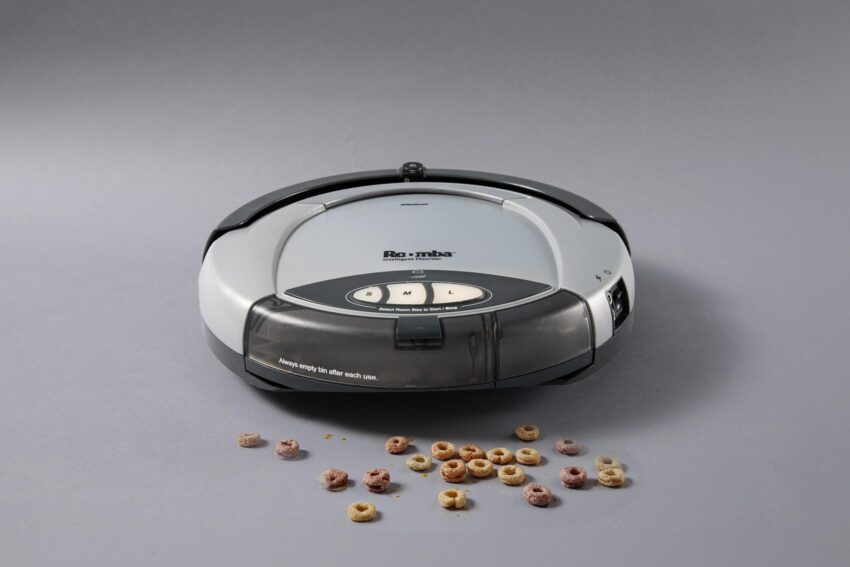
The Roomba was introduced to the market in 2002 by iRobot, a company founded in 1990 by Colin Angle, Helen Greiner, and Rodney Brooks. The initial vision was to create robots that could perform tasks in the home, making life easier for consumers. The Roomba was the first commercially successful robotic vacuum cleaner, and its launch marked a significant milestone in the consumer robotics industry.
In its early days, the Roomba was a relatively simple device. It navigated homes using a basic set of sensors, bumping into walls and furniture as it sought out dirt and debris. The technology was rudimentary compared to today’s standards, but it was revolutionary for its time. The Roomba’s ability to autonomously clean floors without human intervention captured the imagination of consumers, leading to its widespread adoption.
The Technology Behind the Roomba
The technology that powered the Roomba was groundbreaking. It utilized a combination of mechanical and electronic components to create a machine that could move around a room, detect obstacles, and clean effectively. The original Roomba featured a simple design with a round shape, allowing it to easily maneuver around furniture and corners.
One of the key innovations was the use of a series of sensors that allowed the Roomba to detect dirt and navigate its environment. The device employed a cliff sensor to prevent it from falling down stairs, as well as bump sensors that would trigger a change in direction upon contact with an object. While these features may seem basic today, they were a significant advancement in the field of robotics at the time.
The Consumer Response
The Roomba quickly gained popularity among consumers, who were drawn to the idea of a robot that could autonomously clean their homes. Many users found the device charming and even named their Roombas, attributing personality traits to these machines. This emotional connection was a crucial factor in the Roomba’s success, as it transformed a mundane chore into a more enjoyable experience.
As the Roomba became a household name, it also sparked a broader interest in robotics. Consumers began to see the potential for robots to assist in various aspects of daily life, from cleaning to companionship. The Roomba’s success demonstrated that there was a market for consumer robotics, paving the way for other companies to explore similar technologies.
The Evolution of the Roomba
Since its launch, the Roomba has undergone numerous iterations and improvements. Each new version has incorporated advanced technologies, including better navigation systems, improved suction power, and enhanced battery life. The introduction of features such as Wi-Fi connectivity and smartphone integration has further elevated the Roomba’s functionality, allowing users to control their devices remotely.
In 2015, iRobot released the Roomba 980, which featured a new navigation system called iAdapt 2.0. This system utilized visual localization technology, allowing the Roomba to create a map of the home and clean more efficiently. The Roomba 980 was a significant leap forward, as it could now remember the layout of a home and clean in a more systematic manner.
The Impact on the Robotics Industry
The Roomba’s success has had a profound impact on the robotics industry as a whole. It has inspired countless startups and established companies to invest in the development of consumer robots. The idea of a robot that could perform household chores has led to innovations in various sectors, including lawn care, window cleaning, and even cooking.
Moreover, the Roomba has played a significant role in changing public perceptions of robots. Initially, many people viewed robots as complex machines primarily used in industrial settings. The Roomba helped to shift this perception, demonstrating that robots could be accessible and beneficial in everyday life. This change has opened the door for further advancements in robotics, making it a more integral part of modern living.
Challenges and Criticisms
Despite its success, the Roomba has faced challenges and criticisms over the years. One of the primary concerns has been the issue of privacy. As Roombas became equipped with cameras and advanced sensors, questions arose about how the data collected was being used and stored. Consumers expressed concerns about potential surveillance and data security, prompting iRobot to address these issues transparently.
Additionally, while the Roomba has made significant strides in cleaning technology, it is not without its limitations. Early models struggled with certain types of debris, such as pet hair and larger particles. Although subsequent versions have improved in this regard, some users still find that the Roomba cannot replace traditional vacuum cleaners entirely.
The Future of Roomba and Robotics
Looking ahead, the future of the Roomba and consumer robotics appears promising. iRobot continues to innovate, with plans to integrate artificial intelligence and machine learning into future models. These advancements could enable Roombas to learn user preferences and adapt to individual cleaning habits, further enhancing their utility.
Moreover, as smart home technology continues to evolve, the Roomba is likely to become an even more integral part of the connected home ecosystem. Integration with other smart devices, such as voice assistants and home security systems, could create a seamless experience for users, allowing them to manage their homes more efficiently.
Stakeholder Reactions
The Roomba’s impact has not gone unnoticed by various stakeholders in the technology and consumer goods sectors. Investors have shown keen interest in iRobot, recognizing the potential for growth in the consumer robotics market. Analysts have noted that the Roomba has set a precedent for other companies looking to enter the space, highlighting the importance of user experience and emotional connection in product design.
Consumers, too, have been vocal about their experiences with the Roomba. Many users appreciate the convenience it offers, allowing them to reclaim time spent on household chores. Social media platforms are filled with testimonials and stories about Roombas, showcasing the emotional bond many users have developed with their devices.
Conclusion
The Roomba has undoubtedly started a robot revolution, changing the landscape of household cleaning and consumer robotics. From its humble beginnings as a simple vacuuming device to its current status as a sophisticated smart home appliance, the Roomba has captured the hearts and minds of consumers worldwide. As technology continues to advance, it will be fascinating to see how the Roomba evolves and what new innovations will emerge in the realm of robotics.
Source: Original report
Was this helpful?
Explore more: More Hardware & Devices Tech News Blog
Last Modified: June 21, 2026 at 5:36 pm
17 views