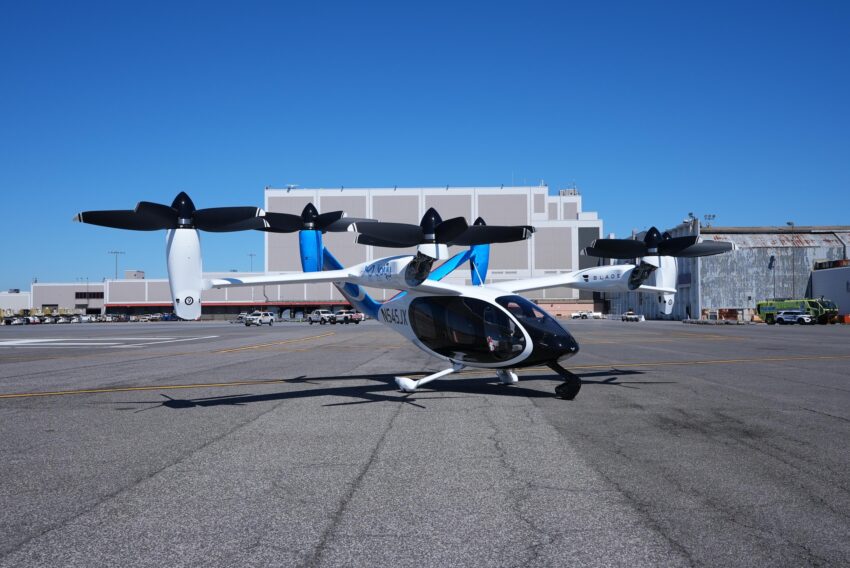
electric air taxis are stuck in the Recent legal battles among leading electric air taxi companies have raised questions about the future of this emerging industry.
electric air taxis are stuck in the
Background of the Air Taxi Industry
The electric air taxi sector has been gaining momentum over the past few years, driven by advancements in technology and a growing interest in sustainable transportation solutions. Companies like Joby Aviation and Archer Aviation have emerged as frontrunners in this innovative field, aiming to revolutionize urban mobility by providing efficient air travel alternatives to traditional ground transportation.
Joby Aviation, founded in 2009, has focused on developing an all-electric vertical takeoff and landing (eVTOL) aircraft designed for short-distance travel. The company has made significant strides in its development, including successful flight tests and partnerships with major players in the aviation industry. Similarly, Archer Aviation, established in 2018, has also been working on eVTOL technology and has garnered attention for its ambitious plans to launch air taxi services in urban areas.
Legal Disputes: A Timeline
The legal entanglements between Joby and Archer began in 2022, when Joby accused Archer of corporate espionage. Joby claimed that Archer had engaged in unethical practices to acquire sensitive information regarding its technology and business operations. This accusation highlighted the competitive nature of the air taxi industry, where proprietary technology and intellectual property are critical assets.
In response, Archer countered with its own allegations, asserting that Joby was concealing its connections to China. This claim raised concerns about national security and the potential implications of foreign influence on American technology companies. The accusations from both sides underscored the high stakes involved in the race to dominate the air taxi market.
Further Legal Actions
The legal disputes did not end there. In February 2023, Archer escalated the situation by filing a patent infringement lawsuit against Vertical Aerospace, another competitor in the air taxi space. This move indicated that the tensions within the industry were not limited to Joby and Archer but extended to other players as well. Vertical Aerospace, founded in 2016, has also been developing eVTOL aircraft and has attracted significant investment, making it a formidable competitor.
Archer’s patent infringement claims against Vertical Aerospace centered around the technology used in their respective aircraft designs. The lawsuit highlighted the ongoing battle for intellectual property rights within the air taxi sector, as companies strive to protect their innovations while navigating a rapidly evolving technological landscape.
Implications of the Legal Battles
The ongoing legal disputes among air taxi companies have several implications for the industry as a whole. First and foremost, these lawsuits could delay the development and deployment of air taxi services. Legal battles often consume valuable resources, diverting attention away from research and development efforts. As companies become embroiled in litigation, their ability to innovate and bring new products to market may be hindered.
Moreover, the legal disputes could create uncertainty among investors and stakeholders. The air taxi industry has attracted significant investment, with venture capitalists and established aviation companies pouring money into startups. However, ongoing lawsuits may cause potential investors to reassess the risks associated with these companies, leading to hesitancy in funding future projects.
Stakeholder Reactions
Reactions from stakeholders within the air taxi industry have varied. Some industry experts have expressed concern that the legal disputes could tarnish the reputation of the sector as a whole. The perception of corporate espionage and unethical practices may deter potential partners and customers from engaging with air taxi companies.
On the other hand, some stakeholders argue that legal disputes are a natural part of a competitive industry. They contend that as companies vie for market share, conflicts over intellectual property and business practices are inevitable. This perspective suggests that while the current legal battles may be disruptive, they could ultimately lead to a more robust and innovative industry as companies are forced to defend their technologies and business models.
The Future of Electric Air Taxis
Despite the legal challenges facing air taxi companies, the future of the industry remains promising. The demand for efficient urban transportation solutions continues to grow, driven by increasing urbanization and traffic congestion in major cities. Electric air taxis offer a potential solution to these challenges, providing a faster and more environmentally friendly alternative to traditional ground transportation.
As companies like Joby and Archer work through their legal disputes, they are also making progress in other areas. Joby, for instance, has received significant regulatory approvals for its aircraft, bringing it one step closer to launching commercial services. Similarly, Archer has announced partnerships with major airlines, positioning itself for future growth.
Regulatory Landscape
The regulatory landscape for electric air taxis is evolving, with government agencies beginning to establish frameworks for the safe operation of eVTOL aircraft. The Federal Aviation Administration (FAA) has been actively working on developing regulations that will govern the operation of air taxis, focusing on safety, air traffic management, and certification processes.
As regulations become clearer, companies in the air taxi sector will need to navigate compliance while continuing to innovate. This balancing act will be crucial for their success, as regulatory hurdles can significantly impact timelines for launching services. The outcome of ongoing legal battles may also influence regulatory perceptions, as authorities assess the stability and integrity of the companies involved.
Conclusion
The legal disputes among Joby Aviation, Archer Aviation, and other players in the electric air taxi industry highlight the complexities and challenges of this emerging sector. While these lawsuits may create short-term disruptions, they also underscore the competitive nature of the market and the importance of protecting intellectual property. As the industry moves forward, it will be essential for companies to resolve their legal issues while continuing to innovate and adapt to the evolving regulatory landscape. The future of electric air taxis holds promise, but the path ahead is fraught with challenges that will require strategic navigation by all stakeholders involved.
Source: Original report
Was this helpful?
Explore more: More Business & Startups Tech News Blog
Last Modified: June 21, 2026 at 5:37 pm
7 views