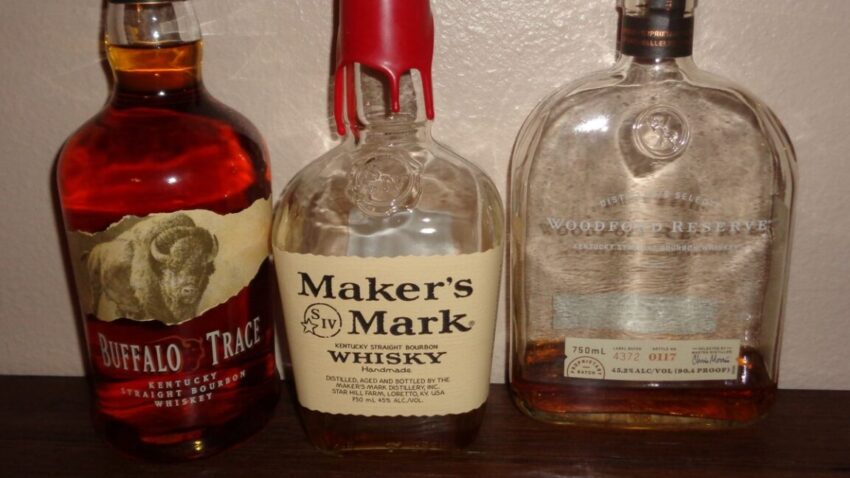
how chemists turned bourbon waste into supercapacitors Researchers have successfully developed a method to convert bourbon waste into supercapacitors, showcasing a novel approach to sustainability in the whiskey industry.
how chemists turned bourbon waste into supercapacitors
The Bourbon Industry and Its Byproducts
Bourbon is not just a popular spirit; it represents a multi-billion-dollar market that has deep roots in American culture, particularly in Kentucky. The production of bourbon, however, generates a significant amount of waste, primarily in the form of spent grain known as stillage. This byproduct is often discarded or underutilized, leading to environmental concerns and economic inefficiencies.
As the bourbon industry has grown, particularly after World War II when consumption and exports surged, the challenge of managing waste has become increasingly pressing. Distilleries typically produce large quantities of stillage, which consists of leftover grains after the fermentation and distillation processes. The traditional approach to dealing with this waste has been limited, often resulting in disposal methods that are neither environmentally friendly nor economically viable.
Innovative Research at the University of Kentucky
In a groundbreaking study, chemists at the University of Kentucky have devised a method to repurpose this bourbon waste into valuable materials for energy storage. Their research was presented at a recent meeting of the American Chemical Society in Atlanta, Georgia, where they unveiled their findings on transforming stillage into electrodes for supercapacitors.
Supercapacitors are energy storage devices that offer high power density and rapid charging capabilities, making them ideal for applications ranging from consumer electronics to electric vehicles. The ability to create supercapacitors from a waste product not only addresses the issue of bourbon waste but also contributes to the growing demand for sustainable energy solutions.
The Process of Transformation
The researchers’ process begins with the collection of stillage from local distilleries. This waste material is rich in organic compounds, which can be chemically altered to create carbon-based electrodes. The transformation involves several steps:
- Collection and Preparation: The stillage is collected and processed to remove impurities, ensuring that the organic compounds are ready for further chemical treatment.
- Chemical Treatment: The prepared stillage undergoes a series of chemical reactions that convert the organic materials into carbon-rich compounds suitable for electrode fabrication.
- Electrode Fabrication: The carbon materials are then shaped into electrodes, which are critical components of supercapacitors.
- Assembly of Supercapacitors: Finally, the electrodes are assembled into supercapacitor devices, which are tested for their energy storage capabilities.
This innovative approach not only utilizes a waste product but also aligns with the principles of a circular economy, where waste is minimized, and resources are reused efficiently.
Comparative Performance of the Supercapacitors
The supercapacitors developed from bourbon waste have demonstrated energy storage capacities comparable to existing commercial devices. This is a significant achievement, as it validates the potential of using agricultural byproducts in advanced technology applications. The researchers conducted various tests to measure the performance of these supercapacitors, focusing on key metrics such as energy density, power density, and cycle stability.
Initial results indicate that the supercapacitors made from stillage can store energy effectively, making them viable alternatives to traditional energy storage solutions. The ability to produce high-performance supercapacitors from a renewable resource could pave the way for more sustainable energy storage technologies in the future.
Implications for the Environment
The environmental implications of this research are significant. By converting waste into useful products, the researchers are addressing two critical issues: waste management in the bourbon industry and the need for sustainable energy solutions. The bourbon industry, which has historically faced challenges related to waste disposal, can now view stillage as a resource rather than a liability.
Moreover, the production of supercapacitors from organic waste could reduce reliance on traditional materials, which often involve environmentally damaging extraction processes. This shift towards sustainable materials aligns with global efforts to combat climate change and promote environmental stewardship.
Stakeholder Reactions
The response from various stakeholders in the bourbon industry and the broader scientific community has been overwhelmingly positive. Distillers are particularly interested in the potential for reducing waste and finding new revenue streams from byproducts. The ability to transform stillage into valuable materials could enhance the economic viability of distilleries, especially smaller operations that may struggle with waste management costs.
Environmental organizations have also lauded the research, emphasizing the importance of innovative solutions to reduce waste and promote sustainability. The findings have sparked discussions about the broader applications of this technology, with potential implications for other agricultural industries that produce significant waste.
Future Research Directions
The University of Kentucky researchers are not stopping at supercapacitors. They are exploring additional applications for the carbon materials derived from stillage. Future research may focus on:
- Battery Technologies: Investigating the potential for using stillage-derived materials in batteries, which could further expand the range of sustainable energy storage solutions.
- Biodegradable Materials: Exploring the use of organic compounds from stillage to create biodegradable plastics or other environmentally friendly materials.
- Broader Agricultural Applications: Assessing the feasibility of applying similar methods to other agricultural byproducts, potentially leading to a wider range of sustainable technologies.
Conclusion
The innovative work by chemists at the University of Kentucky represents a significant step forward in the quest for sustainable solutions in both the bourbon industry and energy storage technologies. By transforming bourbon waste into supercapacitors, they have not only addressed a pressing environmental issue but also opened new avenues for research and development in sustainable materials. As the demand for eco-friendly technologies continues to grow, this research could serve as a model for other industries looking to minimize waste and maximize resource efficiency.
As the bourbon industry evolves, the integration of sustainable practices will likely become increasingly important. The successful transformation of stillage into high-performance supercapacitors demonstrates that even byproducts can play a crucial role in advancing technology and promoting environmental sustainability.
Source: Original report
Was this helpful?
Explore more: More Hardware & Devices Tech News Blog
Last Modified: March 25, 2026 at 4:36 pm
15 views