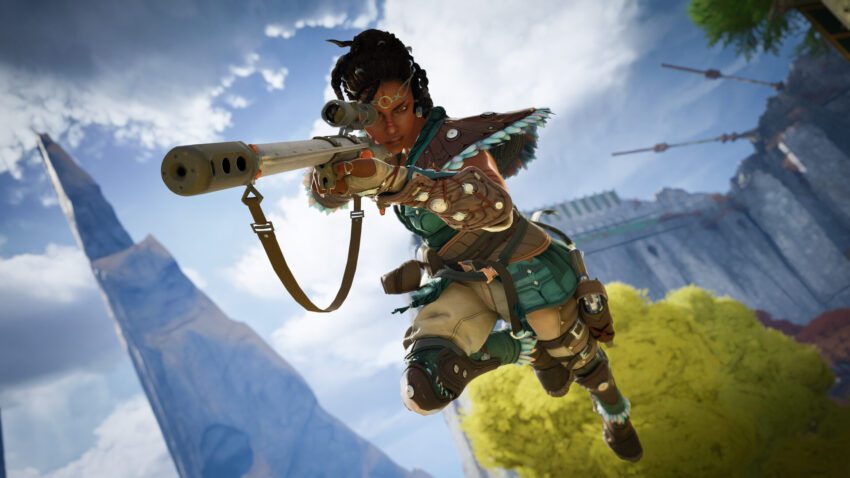
highguard s developer reportedly lays off most Wildlight Entertainment, the studio behind the recently launched multiplayer shooter Highguard, has reportedly laid off a significant portion of its staff just over two weeks after the game’s debut.
highguard s developer reportedly lays off most
Background on Highguard
Highguard is a multiplayer shooter that has garnered attention for its engaging gameplay and innovative mechanics. Developed by Wildlight Entertainment, a studio formed by veterans from major franchises such as Apex Legends and Call of Duty, the game was positioned as a promising addition to the competitive shooter genre. The development team aimed to create a unique experience that would resonate with both casual and hardcore gamers.
The game launched to mixed reviews, with players praising its mechanics but also noting areas for improvement. Despite the initial excitement surrounding its release, the swift decision to lay off staff raises questions about the game’s future and the studio’s stability.
Details of the Layoffs
According to posts from affected employees on LinkedIn, the layoffs at Wildlight Entertainment were extensive. Alex Graner, a former level designer at the studio, indicated that “most of the team at Wildlight” was let go. This sentiment was echoed by Josh Sobel, a former lead tech artist, who confirmed the significant reduction in workforce.
In a statement released by Wildlight, the company acknowledged the layoffs, describing the decision as “incredibly difficult.” The statement emphasized that the studio would retain a core group of developers to continue supporting and innovating on Highguard. However, the lack of specifics regarding the number of employees affected or the rationale behind the layoffs has left many in the industry speculating about the studio’s future.
Industry Reactions
The gaming community and industry analysts have expressed concern over the layoffs, particularly given the timing so soon after the game’s launch. Many industry insiders have taken to social media to voice their opinions, with some suggesting that the layoffs could indicate deeper issues within the studio or the game’s development cycle.
One prominent game developer commented on Twitter, stating, “It’s always disheartening to see talented teams disbanded, especially after pouring their hearts into a project.” This sentiment reflects a broader concern within the gaming community about job security and the volatility of game development studios.
Implications for Highguard
The layoffs raise significant questions about the future of Highguard. With a reduced team, the studio may face challenges in maintaining and updating the game, which is crucial for retaining player engagement in the competitive shooter market. Regular updates and community engagement are vital for the longevity of multiplayer games, and the loss of key personnel could hinder these efforts.
Moreover, the layoffs may impact the game’s reputation. Players often look for assurance that a game will receive ongoing support and improvements. If the community perceives that the studio is struggling, it could lead to a decline in player interest and trust.
Context of the Gaming Industry
The gaming industry has seen a wave of layoffs in recent years, particularly among studios that have launched new titles. The pressure to deliver successful games in a highly competitive market can lead to difficult decisions regarding staffing. In many cases, studios face the challenge of balancing development costs with the need for innovation and quality.
Highguard’s situation is not unique; several other studios have faced similar challenges. For instance, following the launch of a highly anticipated title, another studio laid off a significant portion of its staff, citing the need to streamline operations. This trend highlights the precarious nature of game development, where success is often tied to the ability to adapt quickly to market demands.
Future Prospects for Wildlight Entertainment
As Wildlight Entertainment navigates this challenging period, the future of the studio remains uncertain. Retaining a core group of developers may allow for continued support of Highguard, but the effectiveness of this strategy will depend on the team’s ability to innovate and respond to player feedback.
Additionally, the studio may need to reassess its business model and development strategies to ensure long-term sustainability. This could involve exploring new partnerships, seeking additional funding, or even pivoting to different types of projects that align better with market demands.
Conclusion
The recent layoffs at Wildlight Entertainment serve as a stark reminder of the challenges faced by game developers in a competitive landscape. While Highguard launched with promise, the swift reduction in workforce raises concerns about the studio’s ability to support and evolve the game. As the industry continues to grapple with these issues, the fate of both Wildlight and Highguard will be closely watched by players and industry professionals alike.
In the coming weeks, it will be crucial for Wildlight to communicate transparently with its community and demonstrate a commitment to ongoing development. The gaming community values transparency and engagement, and how the studio handles this situation could significantly impact its reputation and future success.
Source: Original report
Was this helpful?
Last Modified: February 12, 2026 at 11:36 am
6 views