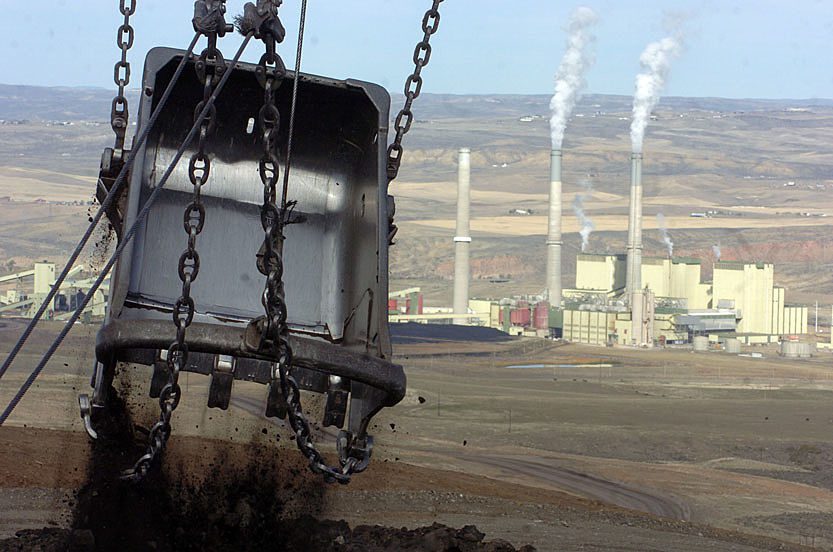
here we go again retiring coal plant The U.S. Department of Energy has mandated the continued operation of a coal plant in Colorado, citing an energy emergency that has raised questions about the future of the region’s energy landscape.
here we go again retiring coal plant
Background on the Craig Station
The Craig Station, located in Moffat County, Colorado, has been a significant player in the region’s energy production for decades. Comprising three units, the plant has historically provided a substantial portion of the electricity consumed in the area. However, as the nation shifts toward cleaner energy sources, the future of coal-fired plants like Craig Station has come under scrutiny.
Originally, the first unit of Craig Station was slated for closure by the end of 2025, with the remaining two units expected to cease operations by 2028. This timeline aligns with broader national trends aimed at reducing reliance on fossil fuels and transitioning to renewable energy sources. The plant’s closure was part of a planned strategy to enhance environmental sustainability and comply with stricter regulations on emissions.
Details of the Order
On Tuesday, U.S. Secretary of Energy Chris Wright issued an order that has reignited the debate over the role of coal in the American energy portfolio. The directive requires Craig Unit 1 to remain operational due to a purported energy emergency. According to the Department of Energy, “The reliable supply of power from the coal plant is essential for keeping the region’s electric grid stable.”
This assertion raises several questions, particularly in light of analyses conducted by Colorado’s Public Utilities Commission. The commission had previously evaluated the implications of Craig Unit 1’s closure and concluded that it was “not required for reliability or resource adequacy purposes.” This contradiction between federal and state assessments highlights the complexities surrounding energy policy and the challenges of balancing reliability with environmental concerns.
Implications of the Order
The order does not mandate that Craig Unit 1 must generate electricity; rather, it requires the plant to be available to produce power if a shortfall occurs. This stipulation is significant because it allows the plant to remain on standby without necessarily violating Colorado’s stringent environmental regulations. However, the potential for actual operation raises concerns about compliance with state laws governing airborne pollution and greenhouse gas emissions.
Local ratepayers may bear the financial burden of maintaining the plant’s readiness. Many residents had already adjusted their expectations and budgets based on the anticipated closure of Craig Unit 1. The sudden reversal of these plans could lead to increased costs for consumers, as the expenses associated with keeping the plant operational may be passed down to them.
Stakeholder Reactions
The response to the Department of Energy’s order has been mixed, reflecting the polarized views on energy policy in the United States. Environmental groups have expressed outrage, arguing that the decision undermines efforts to combat climate change and transition to renewable energy sources. They contend that prolonging the life of coal plants is counterproductive and detrimental to public health.
Conversely, some stakeholders in the energy sector, particularly those focused on grid reliability, have welcomed the decision. They argue that maintaining a diverse energy portfolio, including coal, is essential for ensuring a stable and reliable electricity supply, especially during periods of high demand or unexpected outages in renewable energy production.
Political Context
This order also occurs within a broader political context, as the Trump administration has been known for its support of fossil fuels and coal production. The administration’s stance has often clashed with state-level initiatives aimed at reducing carbon emissions and promoting renewable energy. This ongoing tension between federal and state policies complicates the energy landscape and raises questions about the future of coal in America.
As the Biden administration pushes for a more aggressive transition to clean energy, the actions taken by the Trump administration may be viewed as a significant setback. The implications of this order could reverberate beyond Colorado, influencing energy policy discussions across the nation.
Future of Coal in the U.S.
The future of coal in the United States remains uncertain. While some regions continue to rely on coal for electricity generation, the overall trend is moving toward cleaner energy sources. The U.S. Energy Information Administration (EIA) has reported a steady decline in coal production and consumption over the past decade, as natural gas and renewables have increasingly taken center stage in the energy mix.
Many coal plants across the country are facing similar challenges as Craig Station, with numerous facilities announcing plans for closure in response to economic pressures and regulatory changes. The shift toward renewable energy is not only driven by environmental concerns but also by market forces, as the cost of solar and wind energy continues to decrease.
Regulatory Landscape
The regulatory landscape surrounding coal plants is becoming increasingly complex. States like Colorado have implemented stringent regulations aimed at reducing emissions and promoting clean energy. These regulations often conflict with federal policies that support the continued operation of coal plants, creating a challenging environment for energy producers and regulators alike.
As the nation grapples with the implications of climate change, the regulatory framework governing energy production will likely continue to evolve. The balance between ensuring grid reliability and reducing carbon emissions will be a critical focus for policymakers in the coming years.
Conclusion
The order to keep Craig Unit 1 operational serves as a reminder of the ongoing tensions in U.S. energy policy. As the country navigates the transition to a more sustainable energy future, the role of coal remains a contentious issue. The implications of this decision will likely extend beyond Colorado, influencing energy policy discussions at both the state and federal levels.
As stakeholders continue to voice their opinions on the matter, the future of coal in the U.S. will depend on a complex interplay of regulatory frameworks, market dynamics, and public sentiment. The path forward will require careful consideration of the trade-offs involved in maintaining energy reliability while addressing the urgent need for environmental sustainability.
Source: Original report
Was this helpful?
Explore more: More General Technology Tech News Blog
Last Modified: January 1, 2026 at 8:35 am
13 views