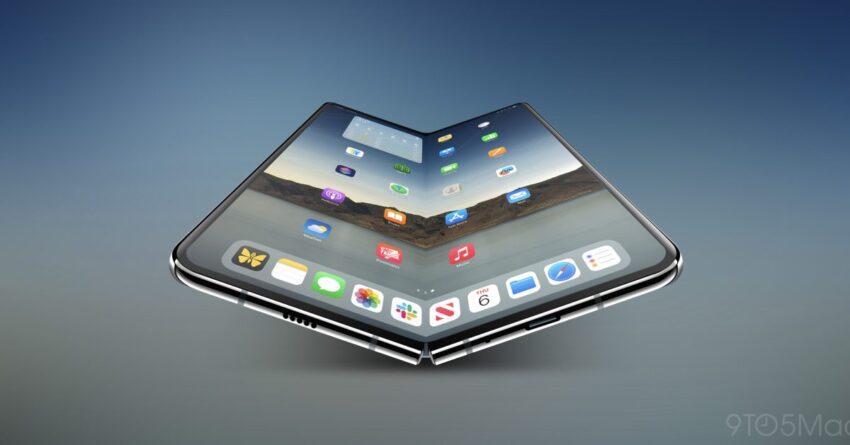
here s why you may have to Analyst Ming-Chi Kuo has provided insights into the anticipated timeline for the iPhone Fold, suggesting that consumers may have to wait until 2027 for its release.
here s why you may have to
Insights from Ming-Chi Kuo
Ming-Chi Kuo, a well-respected analyst known for his accurate predictions regarding Apple products, recently appeared on the MacroMicro podcast. During this episode, he shared crucial information about the production timeline for the much-anticipated iPhone Fold. Kuo’s insights are particularly significant given his track record in the industry, often providing forecasts that align closely with Apple’s strategic decisions and product launches.
Production Challenges
Kuo highlighted several production challenges that Apple is currently facing, which could delay the launch of the iPhone Fold. One of the primary issues is the complexity involved in manufacturing foldable devices. Unlike traditional smartphones, foldable phones require advanced technology to ensure durability and functionality. This includes the development of flexible displays, hinges, and other components that can withstand repeated folding and unfolding.
According to Kuo, Apple is still in the early stages of developing the necessary technology for the iPhone Fold. He noted that while other manufacturers have released foldable devices, Apple aims to set a higher standard in terms of quality and user experience. This commitment to excellence means that Apple is unlikely to rush the production process, which could lead to a longer wait for consumers.
Market Competition
The foldable smartphone market is becoming increasingly competitive, with several manufacturers already offering their versions of foldable devices. Samsung, for instance, has been a pioneer in this space, releasing multiple iterations of its Galaxy Z Fold series. Other companies, such as Huawei and Xiaomi, have also entered the market with their foldable offerings.
Kuo emphasized that Apple is aware of the competitive landscape and is taking its time to ensure that the iPhone Fold can compete effectively. The company is reportedly conducting extensive market research to understand consumer preferences and expectations for foldable devices. This research will inform the design and features of the iPhone Fold, ensuring that it meets the needs of its target audience.
Technological Advancements
One of the key factors contributing to the delay in the iPhone Fold’s release is the need for technological advancements. Kuo mentioned that Apple is investing heavily in research and development to create innovative features that will distinguish the iPhone Fold from existing foldable smartphones.
Flexible Display Technology
A significant aspect of the iPhone Fold’s development is the flexible display technology. Apple is reportedly working on a new type of OLED display that offers improved durability and performance. This technology aims to address common issues associated with foldable screens, such as creasing and reduced brightness over time.
Additionally, Kuo indicated that Apple is exploring the use of new materials that can enhance the durability of the device. This includes advancements in glass technology, which could lead to a more resilient and scratch-resistant surface. The goal is to create a device that not only looks appealing but also stands up to the rigors of daily use.
Hinge Mechanism
The hinge mechanism is another critical component of the iPhone Fold. Kuo noted that Apple is focused on developing a hinge that allows for smooth folding and unfolding while maintaining structural integrity. This is essential for ensuring that the device remains functional over time, as hinges are often a weak point in foldable smartphones.
Apple’s approach to the hinge design is expected to be innovative, potentially incorporating features that enhance user experience. For example, the company may explore ways to minimize the gap between the two halves of the device when closed, which could improve aesthetics and reduce the risk of dust and debris entering the device.
Consumer Expectations and Market Readiness
As the release of the iPhone Fold approaches, consumer expectations are likely to play a significant role in its development. Kuo pointed out that Apple is keenly aware of the high standards that consumers have for its products. The company aims to deliver a foldable device that not only meets but exceeds these expectations.
User Experience
Apple’s reputation for delivering exceptional user experiences is a cornerstone of its brand identity. The iPhone Fold will need to offer seamless integration with the iOS ecosystem, ensuring that users can easily transition between the foldable device and their other Apple products. This includes features such as continuity in app usage, notifications, and syncing across devices.
Moreover, Kuo mentioned that Apple is likely to introduce unique software features specifically designed for the foldable form factor. This could include multitasking capabilities that take advantage of the larger screen real estate when the device is unfolded, as well as new ways to interact with apps and content.
Market Readiness
Another factor influencing the timeline for the iPhone Fold is market readiness. Kuo indicated that Apple is closely monitoring consumer sentiment regarding foldable devices. While there is excitement surrounding the potential of foldable smartphones, there are also concerns about their durability and practicality.
Apple’s strategy appears to involve waiting until the market is fully ready for a foldable iPhone. This means ensuring that consumers are not only interested in the technology but also confident in its reliability. By taking a cautious approach, Apple aims to avoid the pitfalls that have affected some of its competitors, who have faced criticism for launching foldable devices that did not meet consumer expectations.
Future Implications
The potential delay in the iPhone Fold’s release until 2027 has broader implications for the smartphone market and Apple’s strategy. As the company continues to refine its approach to foldable technology, it may set new standards that influence the direction of the industry.
Impact on Competitors
Apple’s entry into the foldable smartphone market is likely to have a significant impact on its competitors. If the iPhone Fold is successful, it could validate the foldable form factor and encourage other manufacturers to invest more heavily in this technology. Conversely, if Apple takes its time and ultimately delivers a superior product, it may leave competitors scrambling to catch up.
Consumer Trends
The delay in the iPhone Fold’s release may also reflect changing consumer trends. As technology evolves, so do consumer preferences. Kuo’s insights suggest that Apple is taking a proactive approach to understanding these trends, ensuring that the iPhone Fold aligns with what consumers want in a foldable device.
In conclusion, while the wait for the iPhone Fold may be longer than anticipated, the insights shared by Ming-Chi Kuo indicate that Apple is committed to delivering a high-quality product that meets the expectations of its users. The challenges associated with production, technological advancements, and market readiness are all factors that Apple is carefully navigating as it prepares for the future of foldable smartphones.
Source: Original report
Was this helpful?
Explore more: More Hardware & Devices Tech News Blog
Last Modified: December 19, 2025 at 12:43 pm
26 views