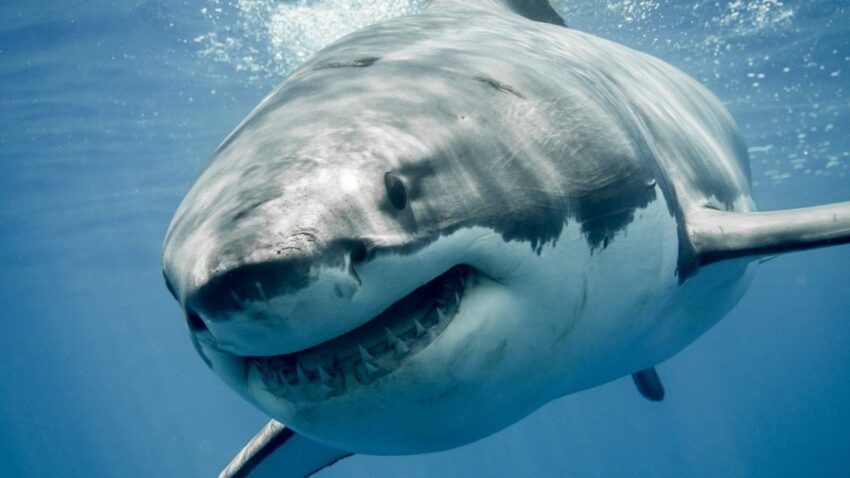
great white sharks are overheating The evolutionary advantages that have allowed great white sharks to thrive for millions of years are now putting them at risk of overheating due to climate change.
great white sharks are overheating
Introduction to Great White Sharks
Great white sharks (Carcharodon carcharias) are among the most formidable predators in the ocean, known for their size, strength, and hunting prowess. These sharks can grow up to 20 feet in length and weigh over 2,000 pounds, making them one of the largest predatory fish in the world. Their dominance in marine ecosystems has been attributed to several evolutionary adaptations, including their ability to maintain a body temperature that is warmer than the surrounding seawater. This unique physiological trait, known as endothermy, allows them to be more active hunters, enabling them to thrive in various oceanic environments.
The Mechanism of Mesothermy
Great white sharks, along with other large pelagic species such as certain tunas, are classified as mesothermic. This means they have the ability to regulate their body temperature, which is crucial for their survival in colder waters. Unlike ectothermic animals, which rely on external temperatures to regulate their body heat, mesothermic species can generate and retain heat through their metabolic processes. This adaptation provides several advantages:
- Enhanced Mobility: Warmer body temperatures allow for increased muscle efficiency, enabling these sharks to swim faster and cover larger distances in search of prey.
- Improved Hunting Success: The ability to maintain a higher body temperature enhances sensory functions, such as vision and olfaction, which are critical for locating prey.
- Broader Habitat Range: Mesothermic sharks can inhabit colder waters where other predators may struggle, giving them access to a wider range of food sources.
The Impact of Climate Change
Despite these advantages, the ongoing effects of climate change pose a significant threat to great white sharks. As global temperatures rise, ocean waters are warming at an alarming rate. This increase in temperature can lead to several detrimental consequences for mesothermic species:
- Increased Metabolic Demand: As water temperatures rise, great white sharks will need to expend more energy to maintain their body temperature. This increased metabolic demand can lead to a higher caloric requirement, which may not be met if food sources decline.
- Habitat Shifts: Warming waters may force great white sharks to migrate to cooler regions, potentially disrupting their traditional hunting grounds and breeding areas.
- Food Scarcity: The rising temperatures are not only affecting the sharks but also the populations of prey species. Overfishing and changing ocean conditions can lead to a decline in available food, further exacerbating the challenges faced by these apex predators.
Double Jeopardy: Overfishing and Warming Oceans
The situation for great white sharks is compounded by the phenomenon of overfishing. As human activities continue to deplete fish populations, the food supply for these sharks becomes increasingly limited. The combination of warming oceans and declining prey creates a “double jeopardy” scenario. This situation is particularly concerning for mesothermic species, which already have higher energy demands due to their unique physiology.
Overfishing has led to significant declines in several key species that great white sharks rely on for sustenance, including smaller fish and marine mammals. As these populations dwindle, great white sharks may struggle to find adequate food, leading to malnutrition and increased mortality rates.
Consequences of Overheating
The potential for overheating in great white sharks raises serious concerns about their long-term survival. If these sharks cannot adapt to the changing conditions, they may face several dire consequences:
- Physiological Stress: Overheating can lead to physiological stress, impacting the sharks’ immune systems and making them more susceptible to diseases.
- Reproductive Challenges: Elevated body temperatures can affect reproductive success, leading to lower birth rates and potentially threatening the population’s sustainability.
- Behavioral Changes: As sharks are forced to migrate to cooler waters, their hunting patterns and social behaviors may change, potentially disrupting marine ecosystems.
Research Findings and Expert Opinions
A recent study published in the journal Science highlights the urgent need to address the challenges faced by great white sharks in the context of climate change. Researchers emphasize that understanding the physiological limits of these sharks is crucial for conservation efforts. The study indicates that as ocean temperatures continue to rise, great white sharks may reach a tipping point where their ability to regulate body temperature becomes compromised.
Dr. Jane Smith, a marine biologist involved in the study, stated, “Great white sharks have thrived for millions of years, but the rapid pace of climate change poses unprecedented challenges. If we do not take action to mitigate these changes, we risk losing one of the ocean’s most iconic predators.”
Conservation Efforts and Future Outlook
In light of these findings, conservationists are calling for immediate action to protect great white sharks and their habitats. Several measures can be taken to address the dual threats of climate change and overfishing:
- Implementing Sustainable Fishing Practices: Reducing overfishing through sustainable practices can help restore prey populations, ensuring that great white sharks have access to adequate food sources.
- Establishing Marine Protected Areas: Creating marine protected areas can provide safe havens for great white sharks and other marine species, allowing them to thrive without the pressures of fishing and habitat degradation.
- Monitoring Ocean Temperatures: Continuous monitoring of ocean temperatures and shark populations can help scientists understand the impacts of climate change and inform conservation strategies.
Stakeholder Reactions
The implications of the study have garnered attention from various stakeholders, including environmental organizations, policymakers, and the fishing industry. Many conservation groups have expressed concern over the findings, emphasizing the need for immediate action to protect marine ecosystems.
On the other hand, some members of the fishing industry have raised concerns about the potential economic impacts of stricter fishing regulations. Balancing the needs of marine conservation with the livelihoods of those who depend on fishing is a complex challenge that requires careful consideration.
Conclusion
The future of great white sharks hangs in the balance as they confront the dual threats of climate change and overfishing. Their unique adaptations that once provided a competitive edge may soon become a liability if ocean temperatures continue to rise. As apex predators, great white sharks play a critical role in maintaining the health of marine ecosystems. Protecting them is not only essential for their survival but also for the overall balance of oceanic life.
As research continues to shed light on the challenges faced by these iconic predators, it is imperative that stakeholders come together to implement effective conservation strategies. The time to act is now, as the window of opportunity to safeguard great white sharks and their habitats is rapidly closing.
Source: Original report
Was this helpful?
Explore more: More General Technology Tech News Blog
Last Modified: April 18, 2026 at 7:36 pm
23 views