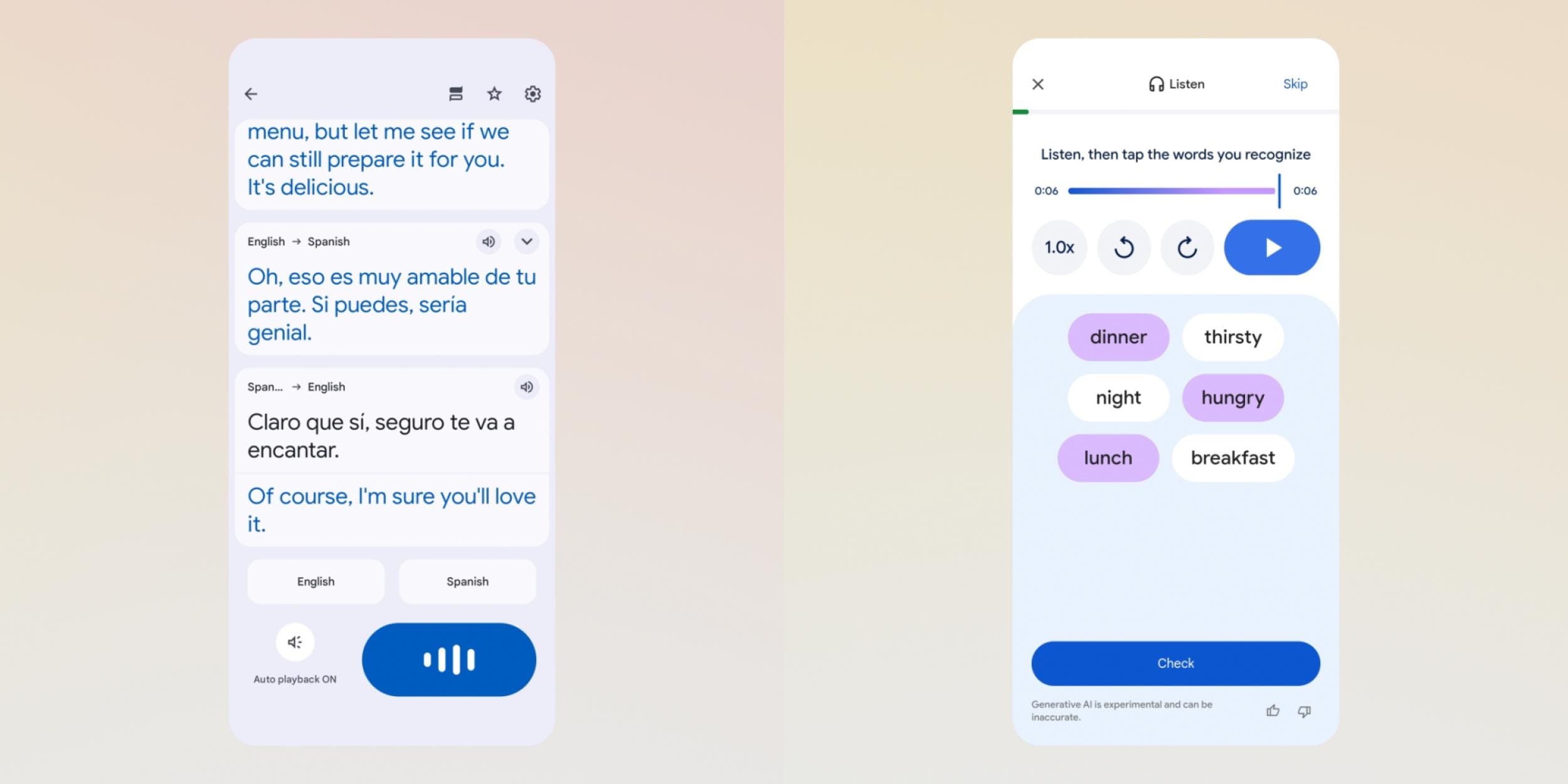
google is building a duolingo rival into the translate app: Google is reportedly integrating a language learning feature into its Translate app, positioning it as a competitor to Duolingo. This development aims to enhance the app’s functionality by incorporating AI-driven language learning tools that could transform the way users engage with language acquisition. By leveraging its existing translation capabilities, Google seeks to provide a more interactive and engaging experience for users who want to learn new languages.
Key takeaways
- Google is adding language learning features to its Translate app.
- The initiative aims to compete directly with Duolingo.
- AI-driven tools will provide interactive lessons and exercises.
- No specific launch date has been announced yet.
The new feature will utilize Google’s extensive translation capabilities to offer users interactive lessons and exercises designed to improve language skills through practical application. This approach reflects a growing trend among technology companies to integrate educational tools into their platforms, making language learning more accessible to a wider audience. By enhancing the Translate app with language learning features, Google is not only broadening its utility but also aiming to create a more engaging experience for users.
Google Translate has long been a key player in the language translation space, providing quick and efficient translation services across numerous languages. The addition of a language learning component could significantly enhance the app’s value proposition, especially for users interested in acquiring new languages. This shift aligns with the increasing demand for language education tools in a globalized world where communication across cultures is essential.
As businesses continue to expand into new markets and individuals seek to connect with diverse populations, the ability to communicate in multiple languages has become increasingly valuable. This trend has fueled the growth of language learning apps, with Duolingo being one of the most recognized platforms in this space. By entering this competitive landscape, Google aims to leverage its existing user base and technological capabilities to offer a compelling alternative to existing language learning solutions.
How the New Feature Works
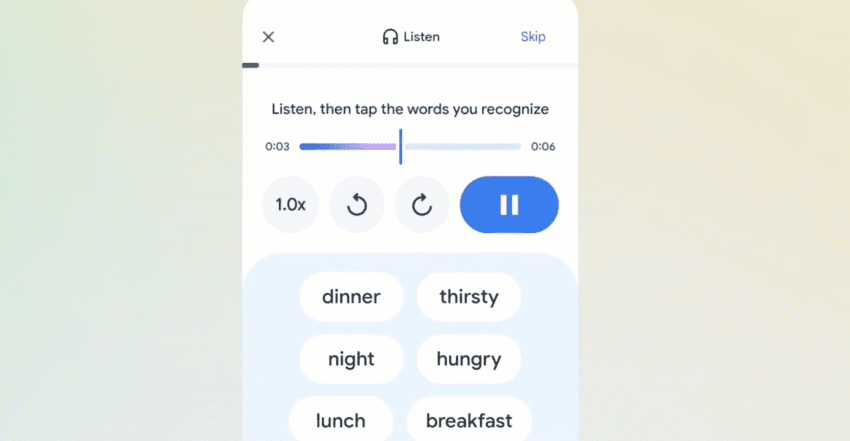
The language learning feature in Google Translate is expected to harness advanced artificial intelligence to create a personalized learning experience for users. Interactive lessons will likely be tailored to individual learning paces and styles, allowing users to engage with vocabulary exercises, pronunciation practice, and grammar quizzes that adapt to their proficiency levels.
Furthermore, Google may incorporate real-world scenarios into the lessons, enabling users to practice language skills in context. This practical approach could enhance information retention compared to traditional methods that focus solely on rote memorization. By providing users with opportunities to apply their language skills in realistic situations, Google aims to foster a deeper understanding of the language being learned.
Another potential aspect of this integration could be the use of voice recognition technology to assist users in improving their speaking skills. Instant feedback on pronunciation and fluency could help users gain confidence in their speaking abilities, enabling them to practice in a supportive environment. This feature could be particularly valuable for learners who may feel apprehensive about speaking in a new language.
Competitive Landscape
As Google enters the language learning space, it will face significant competition from established players such as Duolingo, Babbel, and Rosetta Stone. Duolingo, in particular, has cultivated a substantial user base due to its gamified learning approach, which makes language acquisition enjoyable and engaging. Users earn points and rewards for completing lessons, encouraging consistent practice and motivation.
Google’s entry into this market could disrupt the current dynamics, especially given its extensive resources and technological capabilities. With millions of users already relying on Google Translate for translation needs, the company has a built-in audience that it could leverage to promote its new language learning features. This established user base could provide Google with a competitive advantage as it seeks to attract language learners.
Moreover, Google’s existing infrastructure and data analytics capabilities could allow for a more refined user experience. By analyzing user interactions and learning patterns, Google could continuously improve its language learning offerings, making them more effective over time. This iterative process could help Google stay competitive in a rapidly evolving market where user expectations are continuously changing.
The Role of AI in Language Learning
This development underscores the increasing importance of AI in educational technology as companies strive to provide more personalized and effective learning experiences. AI-driven tools can analyze user performance and adapt lessons accordingly, catering to individual learning styles and preferences. This level of customization is difficult to achieve in traditional classroom settings, making AI-enhanced platforms particularly appealing to learners.
For example, if a user struggles with specific vocabulary or grammar concepts, the AI could adjust the curriculum to focus more on those areas. This adaptability allows learners to receive targeted support where they need it most, enhancing their overall learning experience. Additionally, AI can facilitate immersive learning experiences, such as simulated conversations with AI-powered chatbots, allowing users to practice their language skills in a low-pressure environment.
Implications for Language Learning Accessibility
By integrating language learning into its widely used translation service, Google aims to attract users looking for comprehensive language solutions. This move could significantly impact the accessibility of language education, particularly for individuals who may not have the means to enroll in formal classes or purchase expensive language learning software. The potential for free or low-cost access to language learning tools through Google Translate could democratize language education.
This accessibility could lead to increased language proficiency across diverse populations, fostering greater cultural exchange and understanding. Furthermore, the integration of language learning features into a widely used app could help break down barriers to language acquisition, especially for users in regions where educational resources are limited. Google’s global reach and commitment to accessibility could play a crucial role in expanding language education opportunities.
Future Developments
Currently, Google has not disclosed a specific launch date for this feature. However, it is expected to be part of a broader effort to enhance user engagement and learning outcomes within the Translate app. As language learning continues to gain popularity, Google’s move could significantly impact the competitive landscape, particularly against established players like Duolingo.
Looking ahead, it will be interesting to see how Google continues to evolve its language learning offerings. The company may explore partnerships with educational institutions or language experts to ensure that its content is accurate and pedagogically sound. Additionally, user feedback will likely play a critical role in shaping the development of the new features, as Google seeks to create an effective and user-friendly learning experience.
As the tech industry increasingly embraces the potential of AI and machine learning, the integration of educational tools into popular platforms like Google Translate may become more common. This trend could lead to a new era of personalized learning experiences that cater to the diverse needs of users around the world.
In conclusion, Google’s integration of language learning features into its Translate app represents a significant step forward at the intersection of technology and education. By leveraging its existing capabilities and focusing on user engagement, Google aims to provide a comprehensive language learning solution that could rival established competitors. As this initiative unfolds, it will be essential to monitor its impact on the language learning landscape and the broader implications for accessibility and personalized education.
Source: https://www.theverge.com/news/765872/google-translate-ai-language-learning-duolingo
Was this helpful?
Explore more: AI Automation Services More AI & Automation Tech News
Last Modified: August 27, 2025 at 4:44 am
6 views