google translate adding ai-powered live translation and custom language practice: Google Translate is set to introduce significant enhancements with the integration of AI-powered live translation and a custom language practice feature. These updates aim to transform the user experience by offering more interactive and personalized options for both language learning and communication, thereby addressing some of the longstanding challenges faced by users of translation services.
Key Features of the Updates
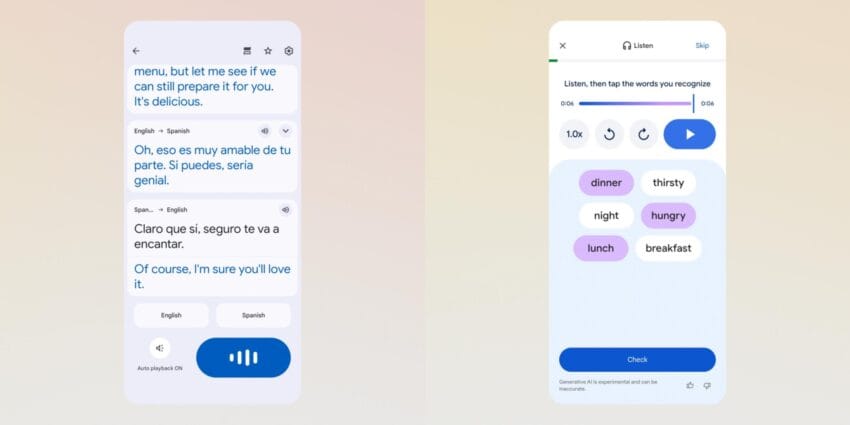
- AI-Powered Live Translation: This feature will enable real-time conversations between users speaking different languages, facilitating smoother interactions.
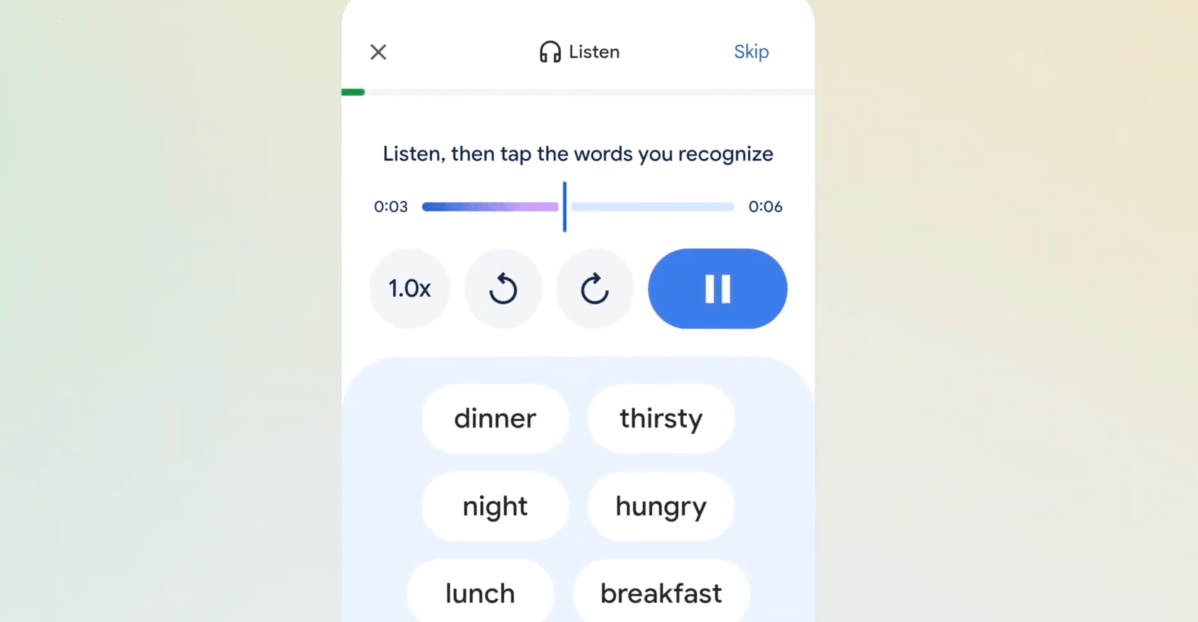
- Custom Language Practice: Users can tailor their learning experiences by focusing on specific vocabulary and phrases that align with their personal needs.
- Enhanced User Engagement: Both features are designed to create a more interactive and personalized learning environment, encouraging users to engage more deeply with the material.
The AI-powered live translation feature will utilize advanced artificial intelligence to facilitate seamless communication among individuals who speak different languages. This capability is particularly beneficial in scenarios where immediate understanding is crucial, such as business meetings, travel situations, or emergency communications. By eliminating the typical delays associated with traditional translation methods, this feature allows for more fluid and natural conversations.
For instance, during a business negotiation involving parties from diverse linguistic backgrounds, the AI-powered live translation can provide instant translations, enabling participants to respond to one another in real-time. This capability could significantly reduce misunderstandings and foster better collaboration across borders, making it an invaluable tool for international business dealings.
Custom Language Practice Tool
In addition to the live translation feature, Google Translate will introduce a custom language practice tool. This feature allows users to personalize their language learning experience by concentrating on specific vocabulary and phrases that are pertinent to their individual needs. By enabling users to select topics or areas of interest, the custom language practice tool aims to provide a more engaging and relevant way to learn new languages.
The custom language practice feature is expected to include options for users to input their goals, such as preparing for a trip, learning industry-specific terminology, or enhancing conversational skills. This tailored approach can cater to various learning styles, making language acquisition more effective and enjoyable. For example, a user preparing for a business trip to a foreign country could focus on phrases relevant to their industry, enhancing the likelihood of successful communication.
Benefits of Personalized Learning
Personalized learning is increasingly recognized as an effective educational strategy. By allowing users to concentrate on vocabulary and phrases that are most relevant to them, Google Translate’s custom language practice tool can enhance retention and application of language skills. Research indicates that learners are more likely to engage with content that resonates with their personal or professional lives, thereby improving their learning outcomes.
Studies have shown that learners who can connect new information to their existing knowledge and experiences are more likely to retain that information. This principle lies at the core of the custom language practice feature, as it encourages users to immerse themselves in language learning that is directly applicable to their everyday lives. This context-driven approach not only makes learning more relevant but also more enjoyable.
Technological Advancements Behind the Features
The development of these new features is rooted in advancements in artificial intelligence and natural language processing (NLP). Google has been at the forefront of AI research, continually refining its algorithms to improve translation accuracy and contextual understanding. The integration of machine learning models allows Google Translate to learn from vast amounts of language data, enhancing its ability to provide accurate translations in real-time.
For the live translation feature, Google is likely utilizing neural machine translation (NMT) technology, which has proven to be more effective than traditional statistical methods. NMT enables the system to comprehend the context of sentences, resulting in translations that are not only accurate but also more natural-sounding. This technology is crucial for real-time applications, where the nuances of conversation can significantly impact meaning.
Moreover, the custom language practice tool may leverage AI-driven analytics to track user progress and adapt learning materials accordingly. By analyzing user interactions and performance, Google Translate can offer targeted exercises and feedback, further enhancing the learning experience. This adaptive learning model can help users stay motivated and engaged by providing them with challenges that are appropriate for their skill level.
Potential Use Cases
The potential applications for these new features are vast and varied. Here are several scenarios where Google Translate’s updates could prove invaluable:
- Travel: Tourists can engage in real-time conversations with locals, facilitating smoother interactions and enriching travel experiences. This feature allows for immediate translations of questions, directions, and local customs, enhancing the overall travel experience.
- Business: Professionals working in multinational teams can communicate more effectively, breaking down language barriers during meetings and collaborations. This capability can lead to improved teamwork and more effective decision-making across diverse teams.
- Education: Language learners can focus on specific vocabulary related to their studies or career aspirations, making the learning process more relevant. This targeted approach can help students better prepare for exams or practical applications in their fields.
- Healthcare: Medical professionals can communicate with patients who speak different languages, ensuring that critical information is conveyed accurately. This capability can improve patient outcomes by facilitating better understanding of medical conditions and treatment options.
Challenges and Considerations
While the introduction of AI-powered live translation and custom language practice is promising, several challenges and considerations must be addressed. One significant concern is the accuracy of translations in nuanced or complex conversations. Although AI has made great strides, it is still not infallible. Misinterpretations can occur, particularly in sensitive situations where precise language is crucial. Users must remain aware of these limitations, especially in high-stakes environments like healthcare or legal settings.
Moreover, the effectiveness of the custom language practice tool relies heavily on user engagement. Users must be motivated to actively participate in their learning, which can vary widely among individuals. Google will need to ensure that the tool is user-friendly and provides a compelling learning experience to encourage consistent use. Additionally, the platform must offer sufficient resources and support to help users navigate their learning journeys.
Another consideration is the privacy and data security of users. As these new features rely on user interactions and data collection to personalize learning experiences, it is essential for Google to implement robust privacy measures. Users should be informed about how their data will be used and have control over their information to ensure trust in the platform.
Conclusion
The upcoming enhancements to Google Translate, including AI-powered live translation and a custom language practice feature, represent significant advancements in language learning and communication. By leveraging advanced AI technologies, Google aims to create more interactive and personalized experiences for users. As these features roll out in the coming months, they have the potential to transform how individuals learn languages and communicate across linguistic barriers, making the world a little smaller and more connected.
Source: https://9to5google.com/2025/08/26/google-translate-ai/
Was this helpful?
Explore more: AI Automation Services More AI & Automation Tech News
Last Modified: August 27, 2025 at 4:42 am
12 views