google pixel phones will probably let you A recent leak indicates that Google Pixel phones may soon allow users to disable the built-in search bar, a feature that has been integral to the Pixel Launcher for several years.
google pixel phones will probably let you
Overview of the Pixel Launcher
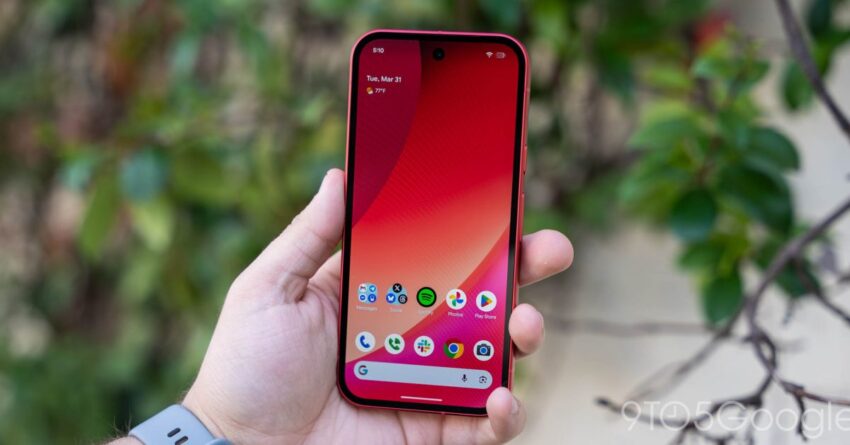
The Pixel Launcher, which debuted with the original Google Pixel in 2016, has become synonymous with the Google Pixel experience. It features a clean design, easy access to Google services, and a unique search bar that sits prominently at the top of the home screen. This search bar has been a defining characteristic of the Pixel interface, allowing users to quickly access Google Search, Assistant, and other features. However, as user preferences evolve, the need for customization options has become increasingly apparent.
Historical Context
Since its introduction, the Pixel Launcher has undergone various updates and changes, reflecting Google’s commitment to enhancing user experience. The search bar has remained a constant, serving as a gateway to Google’s vast ecosystem of services. However, as smartphone users become more discerning, many have expressed a desire for greater flexibility in how their devices are configured. This has led to discussions about the importance of customization in modern smartphone interfaces.
Details of the Leak
The recent leak suggests that an upcoming update, specifically Android 17 QPR1, will introduce the option to toggle the search bar on and off. This feature could significantly alter how users interact with their home screens, allowing for a more personalized experience. The leak originated from a reliable source within the Android community, adding credibility to the claims. While Google has not officially confirmed this feature, the leak aligns with the company’s ongoing efforts to refine the user interface of its devices.
Implications of the Feature
The ability to disable the search bar could have several implications for both users and Google:
- Enhanced Customization: Users who prefer a minimalist home screen can remove the search bar, creating a cleaner aesthetic. This could appeal to users who prioritize design and simplicity.
- Increased Usability: For those who rely on widgets or other apps, the option to remove the search bar may free up valuable screen real estate, making it easier to access frequently used applications.
- Market Competitiveness: As smartphone manufacturers continue to innovate, offering customization options can help Google maintain its competitive edge in a saturated market.
Stakeholder Reactions
The leak has generated a variety of reactions from stakeholders, including users, developers, and industry analysts. Many users have expressed excitement over the potential for increased customization, viewing it as a step toward a more user-centric approach. Developers, on the other hand, are keen to see how this change might impact app design and user engagement.
User Feedback
Feedback from the user community has been overwhelmingly positive. Many Pixel users have long requested more customization options, and the ability to toggle the search bar is seen as a significant improvement. Users have taken to forums and social media to express their anticipation for the feature, with some even suggesting additional customization options they would like to see in future updates.
Developer Perspectives
Developers are also weighing in on the potential impact of this feature. Some believe that removing the search bar could lead to a shift in how users interact with apps and services. For instance, if users are more inclined to customize their home screens, developers may need to adapt their app designs to fit a more diverse range of user preferences. This could lead to a more dynamic app ecosystem, as developers strive to create applications that resonate with a broader audience.
Comparative Analysis with Other Launchers
Google’s decision to potentially allow users to disable the search bar aligns it more closely with other popular Android launchers that prioritize customization. Launchers like Nova Launcher and Action Launcher have long offered users the ability to modify their home screens extensively, including the option to remove or reposition search bars. By introducing this feature, Google may be acknowledging the competitive landscape and the importance of user choice.
Customization Trends in Android
The trend toward customization is not limited to Google Pixel devices. Many Android manufacturers are recognizing the demand for personalized user experiences. Samsung, for instance, has introduced various customization options in its One UI, allowing users to modify themes, icons, and layouts. This shift reflects a broader industry trend where user preferences are increasingly shaping device design and functionality.
Future of the Pixel Launcher
As Google continues to refine the Pixel Launcher, the introduction of the search bar toggle could be just the beginning. Future updates may include additional customization features, such as adjustable widget sizes, alternative layouts, or even more extensive theme options. The company has a history of responding to user feedback, and this potential change suggests that Google is committed to evolving its software to meet the needs of its users.
Potential Challenges
While the ability to disable the search bar is likely to be welcomed by many, it may also present challenges. For instance, some users may find it confusing if they accidentally disable the search bar and are unsure how to restore it. Google will need to ensure that the toggle feature is intuitive and easy to use, with clear instructions on how to enable or disable it.
Conclusion
The potential introduction of a toggle for the search bar in Android 17 QPR1 represents a significant step toward greater customization for Google Pixel users. As the smartphone landscape continues to evolve, the ability to tailor devices to individual preferences will likely become increasingly important. This feature not only enhances the user experience but also positions Google favorably against competitors in the market. As anticipation builds for the official release, users and stakeholders alike are eager to see how this change will shape the future of the Pixel Launcher and the broader Android ecosystem.
Source: Original report
Was this helpful?
Explore more: Mobile App Development More Mobile Technology Tech News
Last Modified: May 10, 2026 at 5:36 am
14 views