google pixel 10, 10 pro, and 10 pro fold are on a surprisingly old qi2 version: Google pixel 10 10 pro and 10 — Google's Pixel 10 series introduces Qi2 support with magnets, but the charging capabilities vary significantly across the models..
Google Pixel 10 10 Pro And 10
Google’s Pixel 10 series introduces Qi2 support with magnets, but the charging capabilities vary significantly across the models.
Overview of the Google Pixel 10 Series
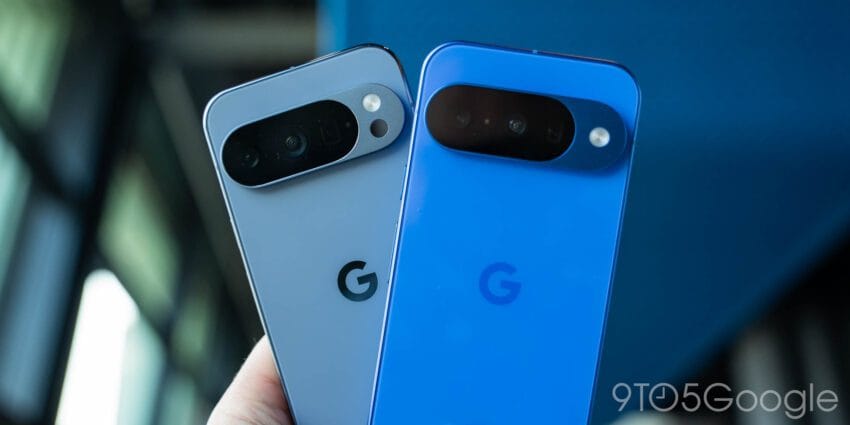
Google has recently unveiled its Pixel 10 series, comprising the Pixel 10, Pixel 10 Pro, and Pixel 10 Pro Fold. This lineup marks a significant advancement in wireless charging technology, specifically with the integration of Qi2 support. However, the implementation of this technology is not uniform across all models, leading to some unexpected limitations.
Introducing Qi2 Technology
Qi2 is the latest standard in wireless charging technology, designed to enhance efficiency and convenience. It introduces magnetic alignment features that ensure devices are correctly positioned on charging pads, thus improving charging speeds and reliability. This advancement is particularly crucial for smartphones, as it minimizes the chances of misalignment that can lead to slower charging or even failure to charge altogether.
Charging Capabilities Across the Pixel 10 Lineup
While the Pixel 10 series supports Qi2, the charging capabilities differ notably among the models. The Pixel 10 Pro XL stands out as the only model equipped with the latest Qi2 version, which allows for 25W charging speeds. This is a significant upgrade over previous iterations and positions the Pro XL as a leader in the wireless charging space within the Pixel lineup.
Pixel 10 and Pixel 10 Pro Specifications
In contrast, the standard Pixel 10 and the Pixel 10 Pro do not support the same level of charging efficiency. Reports indicate that these models are equipped with an older version of Qi2, which limits their charging speeds and capabilities:
- Pixel 10: Supports standard Qi charging but lacks the advanced features of Qi2.
- Pixel 10 Pro: Similar to the Pixel 10, it does not utilize the full potential of Qi2 technology.
This disparity in charging capabilities raises questions about the overall value proposition of the Pixel 10 series and how it compares to competitors in the market.
Market Implications of the Charging Limitations
The decision to implement different versions of Qi2 across the Pixel 10 lineup could have significant implications for consumer choice and market competition. As wireless charging becomes a standard feature in smartphones, consumers increasingly expect fast and efficient charging solutions. The limitations on the Pixel 10 and Pixel 10 Pro may deter potential buyers who prioritize these features.
Consumer Expectations
In today’s tech landscape, consumers are well-informed and often compare specifications before making a purchase. The introduction of Qi2 technology was anticipated as a standard across the Pixel 10 series, given the advancements made in wireless charging over the past few years. The fact that only the Pixel 10 Pro XL offers the full benefits of this technology may lead to dissatisfaction among consumers who opt for the other models.
Technical Specifications and Features
Understanding the technical specifications of the Pixel 10 series is essential for evaluating its performance and market positioning. Below is a breakdown of key features:
- Pixel 10 Series:
- Camera: Enhanced photography features with improved low-light performance.
- Processor: Equipped with Google’s latest Tensor chipset, ensuring fast performance.
- Display: High-resolution OLED displays across all models, providing vibrant colors and deep blacks.
- Pixel 10 Pro XL:
- Charging: Supports Qi2 with magnets and 25W charging speed.
- Battery Life: Extended battery life optimized for heavy usage.
- Pixel 10 and Pixel 10 Pro:
- Charging: Limited to older Qi2 version, affecting charging efficiency.
- Battery Life: Comparable to previous models, but may not meet the expectations set by Pro XL.
Comparative Analysis with Competitors
In the competitive smartphone landscape, brands like Apple and Samsung have set high standards for wireless charging capabilities. Apple’s latest iPhone models support MagSafe, which offers a similar magnetic alignment feature, while Samsung’s Galaxy series also boasts impressive wireless charging speeds. The disparity in charging capabilities within the Pixel 10 series could position it unfavorably against these competitors.
Potential Impact on Sales
Given the rising consumer demand for fast and efficient charging solutions, the limitations in the Pixel 10 and Pixel 10 Pro could impact sales. Potential buyers may gravitate toward models that offer better charging specifications, particularly if they are already considering alternatives from other brands. Google’s decision to differentiate charging capabilities among its models may inadvertently lead to a perception of inferiority in the standard offerings.
Conclusion
The introduction of the Pixel 10 series marks a pivotal moment for Google in the smartphone market, particularly with the integration of Qi2 technology. However, the uneven implementation of this technology raises important questions about consumer expectations and market competitiveness. As wireless charging continues to evolve, it remains to be seen how these limitations will affect the overall success of the Pixel 10 lineup.
Source: Original reporting
Further reading: related insights.
Was this helpful?
Explore more: Mobile App Development More Mobile Technology Tech News
Last Modified: July 15, 2026 at 9:46 am
8 views