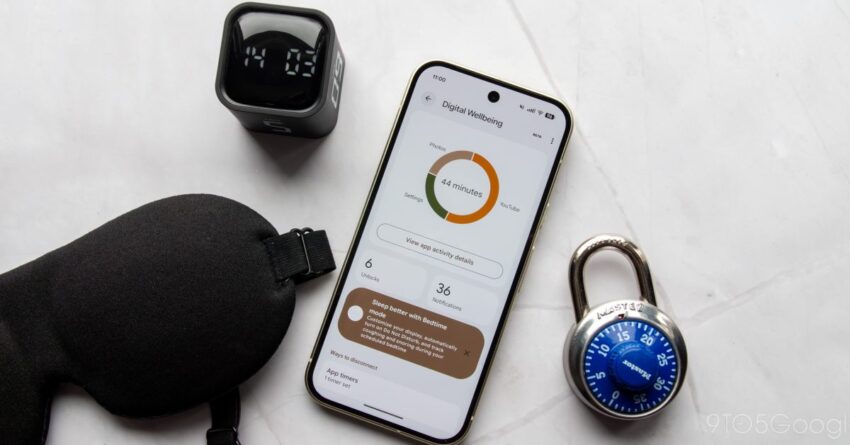
google has ignored android s digital wellbeing Google’s Digital Wellbeing tools on Android have seen little meaningful evolution over the years, raising questions about their future and effectiveness.
google has ignored android s digital wellbeing
Introduction to Digital Wellbeing
Launched in 2018, Google’s Digital Wellbeing initiative aimed to help users manage their smartphone usage and promote healthier digital habits. The suite of tools was designed to provide insights into app usage, screen time, and notifications, encouraging users to take control of their digital lives. As smartphones have become increasingly integral to daily life, the need for such tools has grown, making the effectiveness and evolution of Digital Wellbeing a topic of significant interest.
Current Features of Digital Wellbeing
At first glance, Digital Wellbeing appears to be a modern and user-friendly suite of features. It boasts a sleek design that aligns with Material Design 3, making it visually appealing and easy to navigate. Key features include:
- App Timers: Users can set daily limits on app usage, helping to curb excessive screen time.
- Bedtime Mode: This feature allows users to schedule a time for their device to switch to grayscale and silence notifications, promoting better sleep hygiene.
- Focus Mode: Users can pause distracting apps during specific times to enhance productivity.
- Dashboard: A comprehensive overview of app usage, screen time, and notifications provides users with insights into their digital habits.
These features are designed to empower users, offering them tools to manage their time and attention more effectively. However, despite the initial promise, many users and experts have noted a lack of significant updates or enhancements over the years.
Stagnation in Development
While Digital Wellbeing was introduced with much fanfare, its subsequent development has been lackluster. Users have expressed frustration over the limited updates and the absence of new features that could enhance the functionality of the suite. For instance, while app timers are a useful feature, they are relatively basic and do not offer the granularity that some users desire. The need for more customizable options has been a recurring theme in user feedback.
Comparative Analysis with Competing Platforms
When compared to competing platforms, such as Apple’s Screen Time, Google’s Digital Wellbeing appears to lag behind in terms of functionality and user engagement. Apple has consistently updated its Screen Time feature, introducing new tools and enhancements that address user needs and feedback. This has resulted in a more robust experience for iOS users, who benefit from a wider range of options for managing their digital habits.
In contrast, Android users have seen minimal changes to Digital Wellbeing, leading to concerns that Google may not prioritize this aspect of user experience. The lack of innovation raises questions about Google’s commitment to promoting healthier digital habits among its users.
User Experience and Feedback
User feedback on Digital Wellbeing has been mixed. While some users appreciate the existing features, many have pointed out the need for improvements. For example, the app timer feature, while useful, does not provide detailed analytics on usage patterns, which could help users make more informed decisions about their app habits. Additionally, the interface, although modern, has been criticized for being somewhat cluttered, making it difficult for users to navigate through various settings.
Community Reactions
The tech community has also weighed in on the effectiveness of Digital Wellbeing. Many experts argue that while the tools are a step in the right direction, they fall short of addressing the deeper issues surrounding smartphone addiction and digital overuse. Critics suggest that Google should invest more resources into developing features that not only track usage but also provide actionable insights and recommendations for users.
Moreover, there is a growing sentiment that Digital Wellbeing should be integrated more deeply into the Android ecosystem. For instance, features that allow for automatic adjustments based on user behavior could enhance the overall experience. Such integrations could include adaptive notifications that change based on usage patterns or even suggestions for app alternatives that promote healthier habits.
Implications of Ignoring Digital Wellbeing
The stagnation of Digital Wellbeing tools could have broader implications for Google and its user base. As awareness of mental health and digital wellness continues to grow, users are increasingly seeking tools that help them manage their technology use. If Google fails to evolve Digital Wellbeing, it risks losing users to competitors who prioritize these features.
Furthermore, the lack of innovation could hinder Google’s reputation as a leader in responsible technology. As more people become aware of the potential negative effects of excessive screen time, companies that provide effective solutions will likely gain a competitive edge. Google’s hesitance to enhance Digital Wellbeing may ultimately impact its market share and user loyalty.
Future Directions for Digital Wellbeing
Looking ahead, there are several potential directions that Google could take to revitalize its Digital Wellbeing initiative. First and foremost, conducting user research to gather feedback on desired features could provide valuable insights. Engaging with users to understand their needs and pain points would allow Google to tailor its offerings more effectively.
Additionally, Google could explore partnerships with mental health organizations to develop features that address the psychological aspects of smartphone use. For example, incorporating mindfulness exercises or digital detox challenges could encourage users to engage with their devices more mindfully.
Potential Features to Consider
Some potential features that could enhance Digital Wellbeing include:
- Enhanced Analytics: Providing users with more detailed insights into their app usage patterns, including peak usage times and trends over time.
- Customizable Notifications: Allowing users to set preferences for how and when they receive notifications based on their habits.
- Integration with Wearables: Leveraging wearable technology to provide real-time feedback on usage and encourage healthier habits.
- Community Challenges: Creating challenges that encourage users to reduce screen time collectively, fostering a sense of community and accountability.
Conclusion
In conclusion, while Google’s Digital Wellbeing tools offer a foundational approach to managing smartphone usage, their stagnation over the years raises concerns about their effectiveness and future. As users increasingly seek tools that promote healthier digital habits, it is imperative for Google to invest in the evolution of Digital Wellbeing. By listening to user feedback, enhancing features, and integrating more deeply into the Android ecosystem, Google can reaffirm its commitment to fostering a healthier relationship between users and their devices. The future of Digital Wellbeing remains uncertain, but with the right strategies, Google has the potential to lead the charge in promoting responsible technology use.
Source: Original report
Was this helpful?
Explore more: Mobile App Development More Mobile Technology Tech News
Last Modified: February 20, 2026 at 9:40 pm
18 views