google has finally killed the stadia bluetooth Google’s recent decision to discontinue the Stadia Bluetooth tool has prompted a wave of reactions, but a developer has stepped in to offer a solution for those looking to salvage their Stadia controllers.
google has finally killed the stadia bluetooth
The End of an Era for Google Stadia
Google Stadia, the tech giant’s foray into cloud gaming, has had a tumultuous journey since its launch in November 2019. Initially marketed as a revolutionary gaming platform that would allow players to stream games directly to their devices without the need for expensive hardware, Stadia struggled to gain traction. Despite high hopes and significant investment, the service faced numerous challenges, including a lack of exclusive titles, competition from established gaming platforms, and a general skepticism from gamers regarding cloud gaming technology.
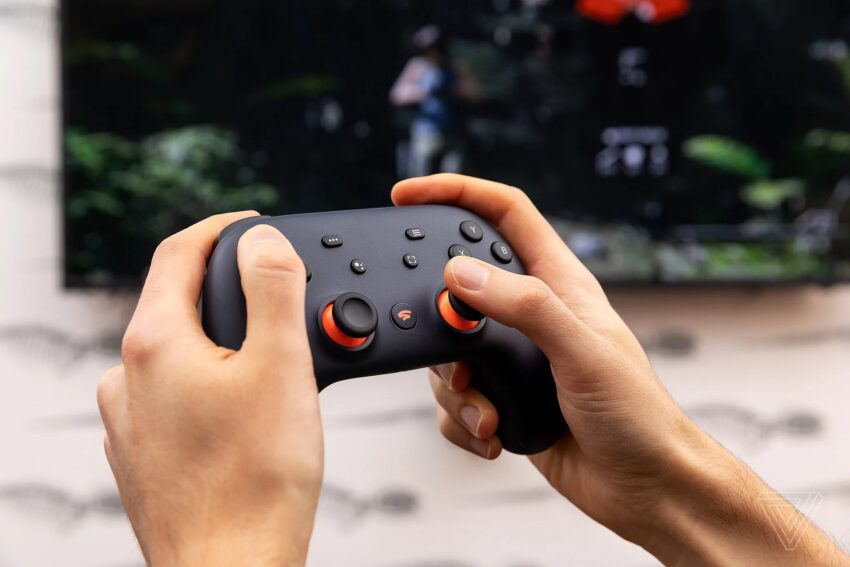
In early 2023, Google announced that it would officially shut down Stadia, a move that left many users disappointed. The closure not only affected the games and services associated with Stadia but also rendered the proprietary Stadia controller largely obsolete. However, Google had provided a glimmer of hope for users by offering a Bluetooth tool that allowed them to convert their Stadia controllers into standard Bluetooth gamepads, making them usable with other devices.
The Removal of the Bluetooth Tool
This week, Google took the final step in its Stadia shutdown by removing the Bluetooth conversion tool from its website. This decision has left many former Stadia users scrambling to find a way to repurpose their controllers. The Bluetooth tool was a crucial resource for those who wanted to continue using their controllers beyond the life of the Stadia platform.
Christopher Klay, a developer known for creating the Stadia Enhanced browser extension, has emerged as a key figure in this situation. Klay had previously saved a copy of the Bluetooth tool and has made it available on his personal GitHub page. This move has provided a lifeline for those who missed the opportunity to convert their controllers before the tool’s removal.
How the Bluetooth Tool Works
The Bluetooth conversion process is relatively straightforward, allowing users to transform their Stadia controllers into versatile gamepads compatible with various devices, including PCs, smartphones, and tablets. The tool essentially reprograms the controller, enabling it to communicate via Bluetooth rather than its original proprietary connection.
For those unfamiliar with the process, Klay has also set up a mirror of the original Google website, making it even easier for users to access the tool. This mirror allows users to follow the same steps they would have taken on the official site, ensuring a seamless transition to Bluetooth functionality.
Implications for Gamers
The removal of the Bluetooth tool raises several important questions for gamers. First and foremost, it highlights the risks associated with relying on proprietary hardware and software ecosystems. As companies like Google pivot away from certain products, users are often left with devices that have limited functionality and no clear path for repurposing them.
Moreover, the situation underscores the importance of community-driven solutions in the tech world. Klay’s efforts to preserve the Bluetooth tool exemplify how developers and enthusiasts can step in to fill gaps left by larger corporations. This kind of grassroots support can be invaluable for users who are looking to extend the life of their devices.
Community Reactions
The gaming community has reacted positively to Klay’s initiative. Many users have expressed gratitude for the opportunity to salvage their controllers, which may have otherwise ended up as electronic waste. The sentiment is particularly strong among those who invested in Stadia and its ecosystem, as they feel a sense of loss with the platform’s closure.
On social media platforms and gaming forums, users have shared their experiences with the conversion process, often praising Klay for his quick response to the situation. Some have even created video tutorials to guide others through the conversion, further fostering a sense of community among former Stadia users.
Looking Ahead: The Future of Gaming Controllers
The Stadia controller situation raises broader questions about the future of gaming hardware. As cloud gaming continues to evolve, the reliance on proprietary controllers may diminish. Companies may need to consider more universal designs that can easily transition between different platforms and services.
Additionally, the rise of cross-platform gaming has led to a demand for controllers that can seamlessly connect to various devices. As a result, manufacturers may need to rethink their strategies to ensure that their products remain relevant in an ever-changing gaming landscape.
Environmental Considerations
Another critical aspect of this situation is the environmental impact of electronic waste. The closure of Stadia and the subsequent obsolescence of its hardware contribute to the growing problem of e-waste. By providing a means to repurpose the Stadia controller, Klay’s efforts align with broader sustainability goals in the tech industry.
As consumers become more environmentally conscious, companies may face increasing pressure to design products that are not only innovative but also sustainable. This could lead to a shift in how gaming hardware is developed, with a focus on longevity and adaptability.
Conclusion
The discontinuation of the Stadia Bluetooth tool marks a significant moment in the history of Google Stadia and raises important questions about the future of gaming hardware and software. While the closure of Stadia has left many users disappointed, the quick response from developers like Christopher Klay demonstrates the resilience of the gaming community.
As gamers continue to navigate the complexities of an evolving landscape, the lessons learned from the Stadia experience may inform future developments in gaming technology. The importance of community-driven solutions and sustainable practices will likely play a crucial role in shaping the future of gaming hardware.
Source: Original report
Was this helpful?
Last Modified: January 21, 2026 at 2:36 am
1 views