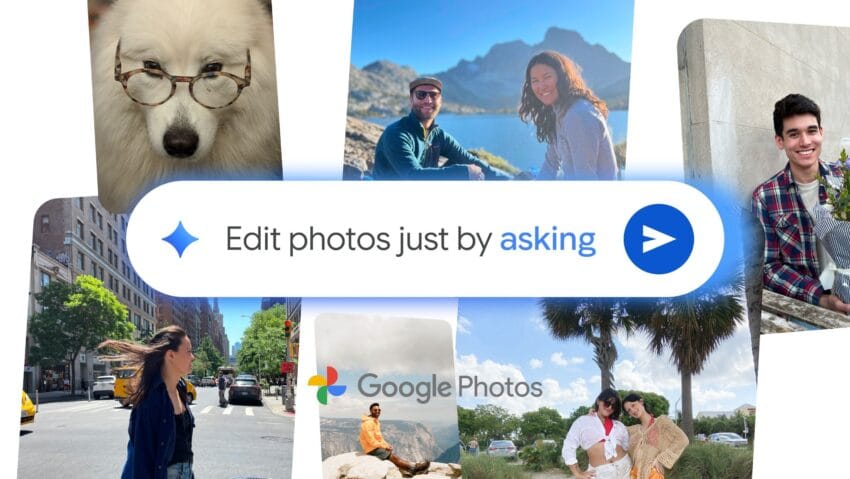
google expands conversational photo editing to all Google has announced the expansion of its conversational photo editing feature to all eligible Android users in the United States, allowing for a more intuitive editing experience.
google expands conversational photo editing to all
Overview of the Feature
Initially exclusive to Pixel 10 owners, the conversational photo editing tool in Google Photos has now been made available to a broader audience. This feature allows users to engage with the app using natural language, making photo editing more accessible and user-friendly. By simply tapping the “Help me edit” button, users can articulate their desired changes, eliminating the need for technical knowledge or manual adjustments.
How Conversational Editing Works
The conversational editing feature leverages advanced artificial intelligence (AI) and machine learning algorithms to interpret user commands. Users can specify what they want to change in their photos—whether it’s adjusting brightness, enhancing colors, or even removing unwanted objects. The app processes these requests and applies the necessary edits automatically.
This approach contrasts sharply with traditional photo editing methods, which often require users to manipulate various sliders and settings. With conversational editing, Google aims to streamline the editing process, making it more intuitive for users of all skill levels.
Technical Background
The technology behind this feature is rooted in Google’s ongoing investments in AI and machine learning. The company has been at the forefront of AI development, and its capabilities in natural language processing (NLP) allow the app to understand and respond to user requests effectively. This technology not only enhances user experience but also positions Google Photos as a leader in the competitive landscape of photo editing applications.
AI and Machine Learning in Photo Editing
AI and machine learning have transformed various industries, and photo editing is no exception. Google’s algorithms analyze images to identify elements that can be modified based on user input. For instance, if a user requests to “make the sky bluer,” the AI recognizes the sky within the image and applies the necessary adjustments without affecting other parts of the photo.
This level of precision is a significant advancement over traditional editing tools, which often require users to manually select areas for adjustment. The AI-driven approach not only saves time but also reduces the likelihood of errors, resulting in a more polished final product.
Implications for Users
The rollout of conversational photo editing is poised to have several implications for users. First and foremost, it democratizes photo editing, making it accessible to individuals who may not have prior experience with editing software. This could lead to a surge in user-generated content, as more people feel empowered to enhance their photos without the steep learning curve typically associated with editing tools.
Enhancing Creativity
By simplifying the editing process, Google is encouraging users to experiment with their creativity. The ability to make quick adjustments based on verbal commands can inspire users to explore different styles and techniques that they may not have considered previously. This could foster a more vibrant community of content creators, as users share their edited photos across social media platforms.
Potential Limitations
While the feature is groundbreaking, it is not without its limitations. The effectiveness of the conversational editing tool depends on the clarity and specificity of user commands. Users who provide vague or ambiguous requests may not achieve the desired results. Additionally, the AI may struggle with complex edits that require nuanced understanding or artistic judgment.
Stakeholder Reactions
The expansion of this feature has garnered attention from various stakeholders, including tech enthusiasts, professional photographers, and casual users. Many have expressed excitement about the potential for enhanced creativity and ease of use. However, some professional photographers have raised concerns about the implications of AI-driven editing on their industry.
Feedback from Users
Early adopters of the feature have shared mixed reviews. Many users appreciate the convenience and speed of conversational editing, noting that it allows them to achieve results quickly. Others, however, have pointed out that the AI may not always interpret commands accurately, leading to unexpected outcomes. This feedback highlights the need for ongoing refinement of the technology to improve its reliability and effectiveness.
Industry Perspectives
From an industry perspective, the introduction of AI-driven editing tools could disrupt traditional photo editing practices. Professional photographers may need to adapt their workflows to incorporate these new technologies, potentially altering the landscape of the industry. Some professionals may embrace the technology as a tool to enhance their work, while others may view it as a threat to their craft.
Future Developments
As Google continues to refine its conversational photo editing feature, users can expect further enhancements and updates. The company has a history of iterating on its products based on user feedback, and this feature is likely to evolve as more people begin to utilize it.
Integration with Other Google Services
There is potential for further integration of this feature with other Google services, such as Google Drive and Google Photos’ sharing capabilities. For instance, users may soon be able to edit photos in real-time during collaborative projects, streamlining the editing process for teams working together on creative endeavors.
Broader Implications for AI in Creative Fields
The expansion of conversational photo editing is part of a larger trend toward the integration of AI in creative fields. As technology continues to advance, we may see similar tools emerge in areas such as video editing, graphic design, and even music production. This could lead to a new era of creativity, where individuals can leverage AI to enhance their artistic expression.
Conclusion
The rollout of conversational photo editing to all eligible Android users marks a significant milestone in the evolution of photo editing technology. By harnessing the power of AI and machine learning, Google is making it easier for users to enhance their photos with simple verbal commands. While the feature presents exciting opportunities for creativity and accessibility, it also raises questions about the future of traditional editing practices and the role of AI in creative industries. As users begin to explore this new tool, its impact on the landscape of photography and content creation will become increasingly evident.
Source: Original report
Was this helpful?
Explore more: AI Automation Services More AI & Automation Tech News
Last Modified: September 24, 2025 at 12:49 am
9 views