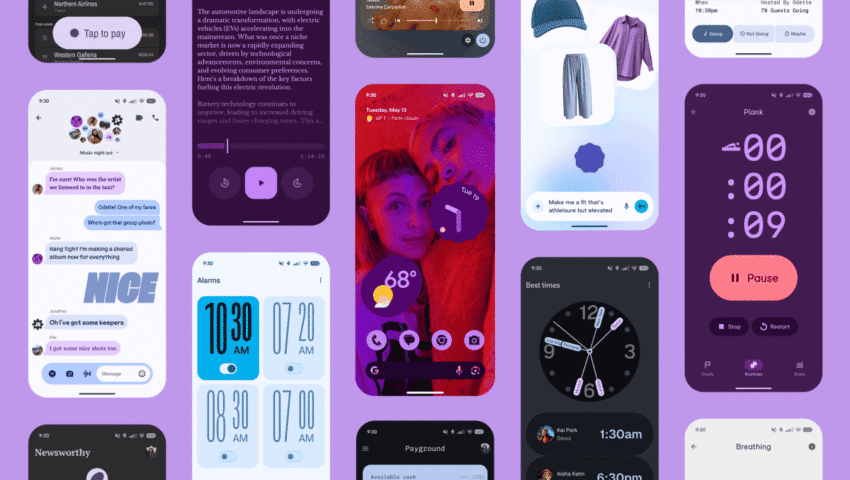
google brings material 3 expressive to pixel Google has announced a significant update for its Android ecosystem and Pixel devices, introducing Material 3 Expressive along with a range of new features aimed at enhancing user experience.
google brings material 3 expressive to pixel
Introduction to Material 3 Expressive
Material 3 Expressive is the latest iteration of Google’s design language, which aims to create a more personalized and vibrant user interface. This update is particularly notable for Pixel 6 and newer devices, as it enhances the visual appeal and functionality of the operating system. The introduction of Material 3 Expressive signifies a shift towards a more customizable and user-centric design philosophy, allowing users to tailor their devices to better reflect their personal style.
Key Features of Material 3 Expressive
The Material 3 Expressive update brings several key features that enhance both aesthetics and usability. Some of the most significant improvements include:
- Dynamic Color Schemes: Users can now enjoy dynamic color palettes that adapt based on their wallpaper choices. This feature allows for a more cohesive look across the device, making it visually appealing and personalized.
- Improved Typography: The update introduces new font styles and sizes, enhancing readability and overall user experience. Typography plays a crucial role in how information is presented, and these improvements aim to make text clearer and more engaging.
- Enhanced Widgets: Widgets have been redesigned to be more interactive and visually appealing. Users can now add more functional widgets to their home screens, providing quick access to essential information and features.
- Material You Enhancements: Building on the previous Material You design, the update allows for even greater customization options, enabling users to change shapes, sizes, and colors of various UI elements.
Additional Features for Pixel Devices
In addition to Material 3 Expressive, Google is rolling out a host of other features that enhance the functionality of Pixel devices. These updates are designed to improve user experience and streamline daily tasks.
Camera Improvements
Google continues to prioritize camera capabilities in its Pixel lineup. The latest update includes:
- Enhanced Night Sight: The Night Sight feature has been improved, allowing for better low-light photography. Users can expect clearer and more vibrant images in challenging lighting conditions.
- Real Tone Adjustments: The Real Tone feature, which aims to accurately represent diverse skin tones, has received further refinements. This ensures that all users can capture their true likeness in photos.
- Motion Mode Updates: New options in Motion Mode allow for more creative photography, including options for capturing action shots with improved clarity and detail.
Performance Enhancements
Performance is a critical aspect of any smartphone experience. Google has implemented several enhancements to ensure that Pixel devices run smoothly:
- Faster App Launch Times: Users will notice quicker app launch times, making multitasking more efficient.
- Battery Optimization: Improved battery management features help extend battery life, allowing users to get more out of their devices throughout the day.
- Security Updates: Regular security patches and updates are part of the new rollout, ensuring that users’ data remains protected against emerging threats.
Implications for Users
The introduction of Material 3 Expressive and the accompanying features represents a significant step forward for Google’s Android ecosystem. For users, this means a more engaging and personalized experience that aligns with their individual preferences. The focus on customization and aesthetics is likely to appeal to a broad audience, particularly younger users who value personalization in their devices.
Stakeholder Reactions
Reactions from stakeholders within the tech community have been largely positive. Industry analysts have noted that Google’s commitment to enhancing user experience through design and functionality is a strategic move to compete with other smartphone manufacturers. The emphasis on camera capabilities, in particular, positions Pixel devices as strong contenders in the photography space.
Developer Community Response
Developers are also responding favorably to the Material 3 Expressive update. The new design language offers them more tools and flexibility to create applications that align with the latest trends in user interface design. This could lead to a surge in innovative apps that take full advantage of the new features, further enriching the Android ecosystem.
Context and Background
Google has been evolving its design language since the introduction of Material Design in 2014. Material 3 Expressive is the latest evolution, reflecting a growing trend towards personalization in technology. As users increasingly seek devices that reflect their individuality, Google’s focus on customizable features is both timely and relevant.
The shift towards a more expressive design language also aligns with broader trends in the tech industry, where companies are prioritizing user experience and aesthetic appeal. This is particularly important in a competitive market where differentiation is key to attracting and retaining customers.
Future Outlook
Looking ahead, the introduction of Material 3 Expressive and the new features for Pixel devices may set the stage for future updates. Google is likely to continue refining its design language and expanding its feature set based on user feedback and technological advancements.
As the Android ecosystem evolves, users can expect ongoing improvements in both design and functionality. This commitment to innovation will be crucial for Google as it seeks to maintain its position as a leader in the smartphone market.
Conclusion
The rollout of Material 3 Expressive and the accompanying features marks a significant milestone for Google and its Pixel devices. By focusing on personalization, aesthetics, and functionality, Google is enhancing the user experience in meaningful ways. As users begin to explore these new features, the potential for increased engagement and satisfaction is substantial, paving the way for a more vibrant and dynamic Android ecosystem.
Source: Original report
Was this helpful?
Explore more: Mobile App Development More Mobile Technology Tech News
Last Modified: September 8, 2025 at 6:33 pm
10 views