gm lays off 1 700 workers making General Motors (GM) has announced significant layoffs affecting 1,700 workers involved in the production of electric vehicles (EVs) and batteries across two plants in Michigan and Tennessee, a move that reflects the company’s response to declining demand for electric vehicles.
gm lays off 1 700 workers making
Background on GM’s EV Sales Surge
Just a few weeks prior to the layoffs, the automotive industry was experiencing a notable surge in electric vehicle sales. GM, in particular, reported a remarkable 104 percent increase in EV sales for the year-to-date compared to the first nine months of 2024. This growth was largely attributed to the impending expiration of the federal tax credit, which provided consumers with a $7,500 incentive to purchase electric vehicles. Many buyers rushed to take advantage of this financial benefit before it was phased out at the end of September.
However, this spike in sales may not be indicative of a sustainable trend. Analysts suggest that the surge was primarily driven by consumers making purchases ahead of the tax credit expiration rather than a long-term increase in demand for electric vehicles. As the dust settles, it appears that the initial excitement surrounding EVs may not translate into consistent sales moving forward.
Regulatory and Economic Challenges
The current landscape for electric vehicles is complicated by various regulatory and economic factors. The Trump administration has implemented changes that have affected the clean technology sector, including the cancellation of infrastructure initiatives that were designed to support the growth of electric vehicles. Additionally, there has been a noticeable lack of enforcement regarding pollution regulations, which has further complicated the market dynamics for EVs.
Moreover, the ongoing trade war has contributed to rising prices for automotive components and materials, which in turn has cooled consumer demand. The combination of these factors has created a challenging environment for automakers, including GM, as they navigate the complexities of the current market.
GM’s Financial Realignment
In light of these challenges, GM recently informed investors that the company would incur a substantial $1.6 billion hit to its finances as it seeks to realign its manufacturing capacity. This financial adjustment is a direct response to the shifting market conditions and aims to position the company for future growth, albeit in a more cautious manner.
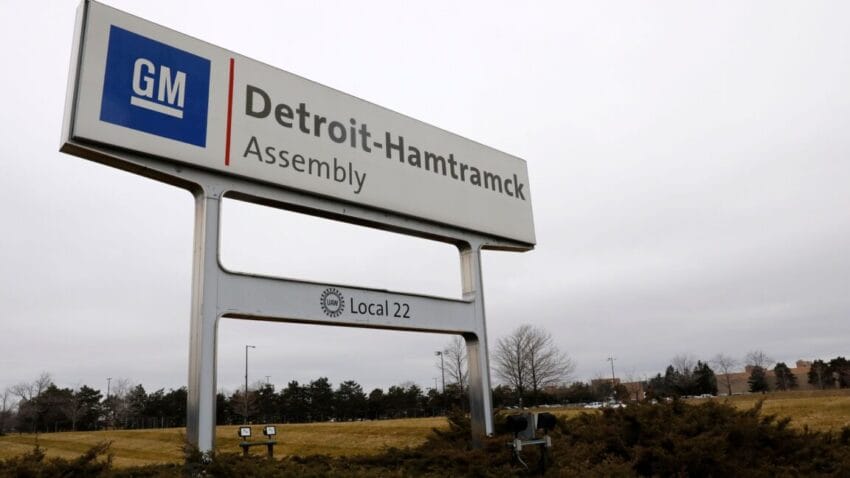
As part of this realignment, GM has decided to reduce its workforce at two key facilities. According to reports from The Detroit News, 1,200 workers at the Hamtramck Assembly Center, which specializes in electric vehicle production, will be laid off. This facility will also reduce its operational shifts from two per day to just one starting in early January. The remaining 500 layoffs will occur at a battery plant in Tennessee, which is also facing challenges related to demand.
Impact on Workers and Communities
The layoffs at GM are expected to have significant repercussions for the affected workers and their communities. The loss of 1,700 jobs represents not only a personal setback for the individuals involved but also a broader economic impact on the local economies that rely on these manufacturing jobs. Communities surrounding the Hamtramck Assembly Center and the Tennessee battery plant may experience increased economic strain as families face uncertainty regarding their financial futures.
In addition to the immediate economic implications, these layoffs may also signal a shift in the automotive industry’s approach to electric vehicle production. As companies like GM reassess their strategies in light of fluctuating demand, workers may find themselves in a precarious position, facing job insecurity in an industry that is rapidly evolving.
Stakeholder Reactions
The announcement of the layoffs has elicited a range of reactions from various stakeholders, including labor unions, industry analysts, and government officials. Labor unions representing GM workers have expressed concern over the layoffs, emphasizing the need for job security and support for affected employees. Union leaders have called for greater investment in training and reskilling programs to help workers transition to new roles within the evolving automotive landscape.
Industry analysts have also weighed in on the situation, noting that the layoffs may reflect a broader trend within the automotive sector as companies adapt to changing consumer preferences and market conditions. Some experts argue that while the current layoffs are unfortunate, they may ultimately be necessary for GM to remain competitive in an increasingly crowded market.
Future of Electric Vehicles
The future of electric vehicles remains uncertain as automakers grapple with fluctuating demand and regulatory challenges. While many companies have made significant investments in EV technology and infrastructure, the sustainability of these efforts is now in question. The recent layoffs at GM serve as a stark reminder that the transition to electric vehicles is not without its challenges.
As the industry moves forward, it will be crucial for automakers to adapt to changing consumer preferences and market dynamics. This may involve re-evaluating production strategies, investing in new technologies, and finding innovative ways to engage with consumers. The success of electric vehicles in the long term will depend on the industry’s ability to navigate these complexities while maintaining a focus on sustainability and environmental responsibility.
Conclusion
The recent layoffs at General Motors highlight the challenges facing the electric vehicle market as demand fluctuates and regulatory environments shift. While the company experienced a temporary surge in sales due to the federal tax credit, the long-term outlook for electric vehicles remains uncertain. As GM and other automakers realign their manufacturing capacities, the impact on workers and communities will be significant, raising questions about job security and the future of the automotive industry.
As stakeholders respond to these developments, it will be essential for the industry to prioritize investment in workforce training and reskilling programs to support affected workers. The transition to electric vehicles is a critical component of the automotive industry’s future, and navigating the challenges ahead will require collaboration and innovation from all parties involved.
Source: Original report
Was this helpful?
Explore more: More Business & Startups Tech News Blog
Last Modified: October 30, 2025 at 7:36 pm
9 views