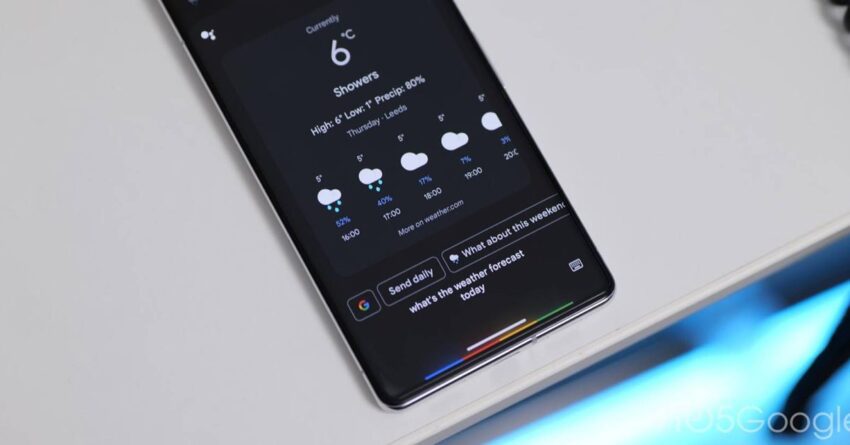
gemini will replace google assistant on android Google has announced that its new AI-driven assistant, Gemini, will replace Google Assistant on Android devices in 2026, pushing back the original timeline for this significant transition.
gemini will replace google assistant on android
Background on Google Assistant
Launched in 2016, Google Assistant has become a cornerstone of Google’s ecosystem, providing users with voice-activated assistance for a variety of tasks. From setting reminders and sending messages to controlling smart home devices, Google Assistant has evolved significantly over the years. It has integrated with numerous applications and services, making it a versatile tool for millions of users worldwide.
Initially, Google Assistant was designed to compete with other voice assistants like Amazon’s Alexa and Apple’s Siri. Over time, it has incorporated advanced machine learning capabilities, allowing it to understand context better and provide more relevant responses. The assistant has been instrumental in enhancing user experience across Android devices, smart speakers, and other platforms.
Introduction of Gemini
In March 2025, Google announced its plans to introduce Gemini as a successor to Google Assistant. This announcement generated considerable excitement in the tech community, as Gemini is expected to leverage advanced AI technologies to provide a more intuitive and efficient user experience. The initial timeline suggested that Gemini would roll out later in 2025, but recent updates indicate that this transition will now occur in 2026.
What is Gemini?
Gemini is positioned as a next-generation AI assistant that aims to enhance user interaction through improved natural language processing and machine learning capabilities. Unlike its predecessor, Gemini is designed to understand and respond to user queries in a more conversational manner, making interactions feel more organic and less robotic.
Gemini’s architecture is built on advanced neural networks, which allow it to process information more efficiently. This means that users can expect quicker responses and a better understanding of context, leading to more accurate answers. The assistant is also expected to integrate seamlessly with various Google services, enhancing its utility across different applications.
Key Features of Gemini
While specific features of Gemini are still under wraps, several anticipated functionalities have been highlighted by Google:
- Enhanced Contextual Understanding: Gemini aims to grasp the context of conversations better than Google Assistant, allowing for more meaningful interactions.
- Multi-Tasking Capabilities: Users may be able to issue multiple commands in a single query, streamlining tasks and improving efficiency.
- Personalization: Gemini is expected to offer a more personalized experience, adapting to user preferences and habits over time.
- Integration with Third-Party Apps: Similar to Google Assistant, Gemini will likely support a wide range of third-party applications, expanding its functionality.
Implications of the Transition
The decision to replace Google Assistant with Gemini has significant implications for users, developers, and the broader tech landscape. As Google continues to invest in AI technologies, the transition to Gemini represents a commitment to enhancing user experience through innovation.
User Experience
For users, the transition to Gemini could mean a more efficient and enjoyable interaction with their devices. Enhanced contextual understanding and personalization may lead to a more tailored experience, allowing users to accomplish tasks more quickly and intuitively. However, the transition period may also come with challenges, as users adapt to a new interface and functionalities.
Developer Considerations
For developers, the introduction of Gemini presents both opportunities and challenges. Developers will need to adapt their applications to work seamlessly with the new assistant, which may involve updating existing integrations or creating new ones. Google has historically provided robust support for developers, and it is expected that similar resources will be available for those transitioning to Gemini.
Market Competition
The introduction of Gemini could also impact the competitive landscape of voice assistants. As Google enhances its AI capabilities, it may gain an edge over competitors like Amazon and Apple. The success of Gemini could set new standards for voice interaction, prompting other companies to innovate in response.
Stakeholder Reactions
The announcement regarding Gemini has elicited varied reactions from stakeholders across the tech industry. Analysts, developers, and users have expressed a mix of excitement and skepticism regarding the transition.
Industry Analysts
Industry analysts have generally welcomed the news, viewing it as a positive step toward advancing AI technology. Many believe that Gemini’s capabilities could redefine user expectations for voice assistants. However, some analysts caution that the transition must be executed smoothly to avoid alienating existing Google Assistant users.
Developers
Developers have expressed a range of opinions regarding the transition. Some are excited about the potential for new features and improved user engagement, while others are concerned about the learning curve associated with adapting to a new platform. Google’s track record of supporting developers will be crucial in easing this transition.
Users
User reactions have been mixed. While many are eager to experience the advancements that Gemini promises, others are apprehensive about losing the familiarity of Google Assistant. The transition period will be critical in ensuring that users feel comfortable with the new system and can easily navigate its features.
Future Outlook
As the rollout of Gemini approaches, Google will likely focus on refining its features and ensuring a smooth transition for users and developers alike. The company has a vested interest in making Gemini a success, as it represents a significant investment in AI technology and user experience.
In the coming months, Google is expected to release more information about Gemini’s capabilities and how it will integrate with existing services. This will be crucial for managing user expectations and preparing developers for the upcoming changes.
Potential Challenges
Despite the excitement surrounding Gemini, several challenges may arise during the transition:
- User Adaptation: Users may face a learning curve as they adjust to the new assistant, which could lead to frustration if not managed properly.
- Integration Issues: Developers may encounter challenges in integrating their applications with Gemini, particularly if the new assistant operates differently from Google Assistant.
- Maintaining User Trust: Google will need to ensure that Gemini respects user privacy and data security, as trust is a critical factor in user adoption.
Conclusion
The transition from Google Assistant to Gemini marks a pivotal moment in the evolution of AI-driven voice assistants. With its anticipated advancements in contextual understanding, personalization, and multi-tasking capabilities, Gemini aims to redefine how users interact with their devices. However, the success of this transition will depend on effective communication, robust developer support, and a focus on user experience. As we approach the 2026 rollout, stakeholders across the tech industry will be watching closely to see how Google navigates this significant change.
Source: Original report
Was this helpful?
Explore more: AI Automation Services More AI & Automation Tech News
Last Modified: December 20, 2025 at 1:13 am
22 views