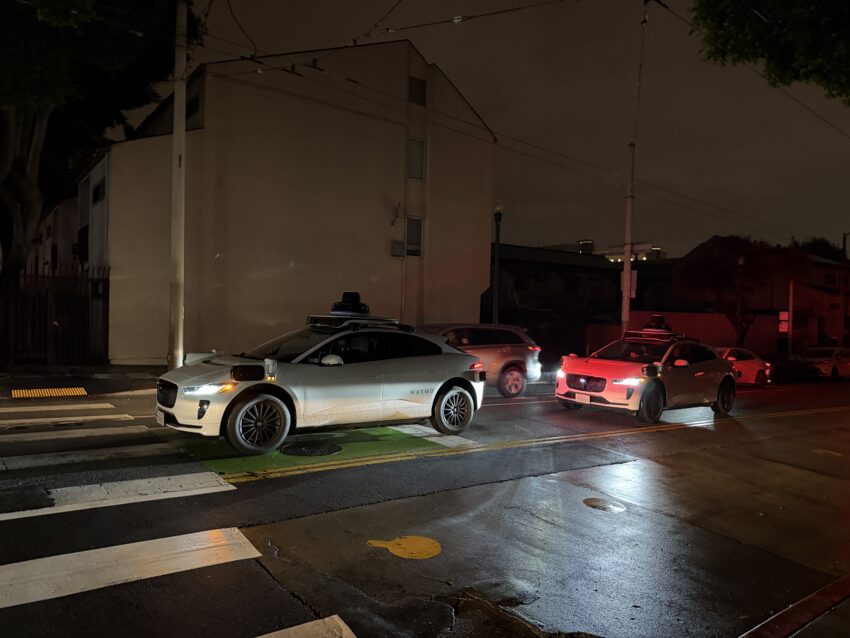
frozen waymos backed up san francisco traffic A significant power outage in San Francisco led to a disruption of traffic as Waymo’s autonomous vehicles became stranded on city streets.
frozen waymos backed up san francisco traffic
Overview of the Power Outage
On Saturday, December 2, 2023, San Francisco experienced a widespread power outage that affected approximately 130,000 customers at its peak, according to reports from Pacific Gas and Electric Company (PG&E). The outage was attributed to a series of factors, including severe weather conditions that impacted the electrical grid. The blackout not only disrupted the daily lives of residents but also had unforeseen consequences for the city’s transportation network, particularly affecting autonomous vehicles operated by Waymo.
The Impact on Waymo’s Autonomous Fleet
Waymo, a subsidiary of Alphabet Inc., has been at the forefront of developing self-driving technology. However, during the power outage, many of its autonomous SUVs were rendered inoperative. Reports and social media posts indicated that these vehicles were unable to detect traffic lights and other critical signals, leading to them becoming stranded in the middle of busy intersections and streets. Videos circulated online showing Waymo vehicles parked motionless, contributing to significant traffic congestion in various neighborhoods, particularly in North Beach.
Social Media Reactions
The public’s reaction to the incident was swift and widespread, with many individuals taking to social media to share their experiences and frustrations. Users posted videos and images of the stranded Waymo vehicles, highlighting the chaos that ensued as traffic built up around them. One user, Iago Maciel, tweeted about the massive traffic jam caused by the Waymo vehicles, emphasizing the disruption in the North Beach area. The incident sparked discussions about the reliability of autonomous technology, particularly in emergency situations.
Comparative Performance of Other Autonomous Vehicles
Interestingly, while Waymo’s vehicles were immobilized, Tesla’s Full Self-Driving (FSD) feature appeared to navigate the same streets without issue. Elon Musk, the CEO of Tesla, took to Twitter to highlight this contrast, stating that “Tesla Robotaxis were unaffected by the SF power outage.” This statement ignited further debate regarding the efficacy and reliability of different autonomous driving technologies, particularly in scenarios where infrastructure is compromised.
Technical Challenges Faced by Waymo
The incident raises important questions about the technical challenges faced by autonomous vehicles, particularly in urban environments. Waymo’s technology relies heavily on a network of sensors and cameras to interpret and respond to traffic signals, signs, and other vehicles. In the absence of power, these systems can fail to function correctly, leading to dangerous situations on the road.
Understanding the Technology Behind Waymo
Waymo vehicles utilize a combination of LiDAR, radar, and cameras to create a detailed map of their surroundings. This technology allows them to navigate complex urban environments autonomously. However, the reliance on external signals, such as traffic lights, poses a vulnerability. When power outages occur, traffic lights may go dark or malfunction, creating uncertainty for autonomous systems that depend on them for navigation.
Implications for Autonomous Vehicle Deployment
The incident in San Francisco serves as a case study for the broader implications of deploying autonomous vehicles in urban settings. While the technology has advanced significantly, incidents like this highlight the need for robust contingency plans. Cities and companies must consider how autonomous vehicles will respond to infrastructure failures, such as power outages or natural disasters.
Stakeholder Reactions
The reactions from various stakeholders, including city officials, transportation experts, and the general public, have been mixed. Some experts argue that the incident underscores the need for improved infrastructure to support autonomous vehicles. Others express concerns about the readiness of such technology for widespread deployment, particularly in densely populated urban areas.
City Officials’ Perspectives
City officials in San Francisco have acknowledged the challenges posed by the incident. They have emphasized the importance of collaboration between technology companies and local governments to ensure that autonomous vehicles can operate safely and effectively. Some officials have called for a review of regulations governing autonomous vehicles, particularly in light of the challenges presented by the recent power outage.
Public Sentiment
The public’s sentiment regarding autonomous vehicles remains divided. While many are excited about the potential benefits of self-driving technology, incidents like the one in San Francisco can erode public trust. Concerns about safety, reliability, and the ability of autonomous systems to handle unexpected situations are paramount. As autonomous vehicles become more prevalent, addressing these concerns will be crucial for gaining public acceptance.
Future Considerations for Autonomous Technology
As cities continue to explore the integration of autonomous vehicles into their transportation networks, several key considerations must be addressed. The San Francisco incident serves as a reminder of the vulnerabilities inherent in relying on technology that interacts with existing infrastructure.
Infrastructure Resilience
One of the primary considerations is the resilience of infrastructure. Cities must invest in upgrading their electrical grids and traffic management systems to ensure they can withstand extreme weather events and other disruptions. This includes implementing backup systems and redundancies that can support both traditional and autonomous vehicles during outages.
Regulatory Frameworks
Additionally, regulatory frameworks governing autonomous vehicles must evolve to address the unique challenges posed by these technologies. Policymakers should consider establishing guidelines for how autonomous vehicles should operate during emergencies, including power outages. These regulations should also outline the responsibilities of technology companies in ensuring their vehicles can respond effectively to infrastructure failures.
Public Education and Engagement
Public education and engagement will also play a vital role in the future of autonomous vehicles. As technology continues to advance, educating the public about how these systems work and their limitations will be essential for building trust. Transparency regarding the challenges faced by autonomous vehicles, as demonstrated in San Francisco, can help foster a more informed public discourse.
Conclusion
The recent power outage in San Francisco highlighted significant challenges for autonomous vehicle technology, particularly for Waymo’s fleet. As the city grapples with the implications of this incident, it serves as a reminder of the complexities involved in integrating autonomous vehicles into urban environments. Moving forward, stakeholders must work collaboratively to address these challenges, ensuring that autonomous technology can operate safely and effectively, even in the face of unexpected disruptions.
Source: Original report
Was this helpful?
Explore more: More General Technology Tech News Blog
Last Modified: December 22, 2025 at 2:36 am
9 views