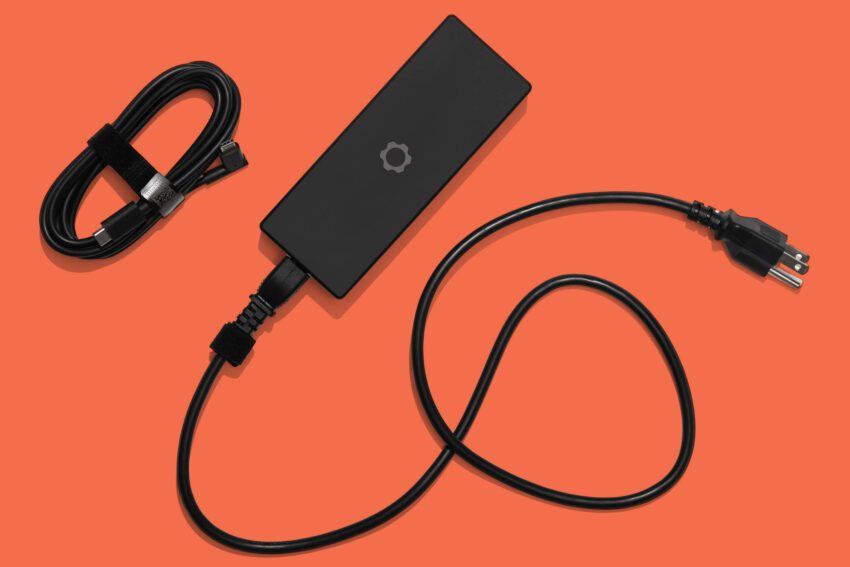
bye-bye barrel jack framework brings 240w usb-c charging to laptops: Framework has announced a significant advancement in laptop charging technology with the introduction of a 240W USB-C charging solution. This innovative approach marks a departure from traditional barrel jack connectors, positioning USB-C as a more versatile and convenient option for powering devices. The new charging capability is set to enhance the user experience, aligning with the broader industry trend towards USB-C as a universal standard.
Key takeaways
- Framework is introducing a 240W USB-C charging solution for its laptops.
- This marks a shift away from traditional barrel jack connectors.
- The new charger will be compatible with Framework’s latest laptop models.
- USB-C is increasingly becoming the universal charging standard across various electronics.
The 240W USB-C Power Delivery (PD) charger is designed to work seamlessly with Framework’s latest laptop offerings. This development allows users to charge their devices more efficiently, reducing the number of cables and chargers needed for daily use. As USB-C continues to gain traction as a universal charging standard, Framework’s decision to adopt this technology reflects a growing industry consensus on the benefits of USB-C.
USB-C technology has been lauded for its ability to deliver higher power levels while also supporting data transfer through a single cable. This dual functionality simplifies the user experience, allowing for fewer cables and less clutter. The 240W power delivery capability is particularly noteworthy, as it can accommodate the power requirements of more demanding devices, such as laptops, without the need for bulky power adapters. This is a crucial feature for users who rely on their laptops for intensive tasks, such as gaming, video editing, or software development.
Advantages of USB-C Charging
The shift to USB-C charging offers several advantages over traditional barrel jack connectors:
- Versatility: USB-C connectors are reversible, making them easier to plug in without worrying about orientation. This user-friendly design reduces frustration and enhances the overall charging experience.
- Universal Compatibility: USB-C is becoming the standard for many devices, including smartphones, tablets, and laptops. This allows users to use the same charger across multiple devices, simplifying the charging process and reducing the need for multiple chargers.
- Higher Power Delivery: With the capability to deliver up to 240W, USB-C can cater to the power needs of high-performance laptops. This is particularly beneficial for users who require quick charging times and the ability to power demanding hardware.
- Data Transfer: USB-C supports high-speed data transfer, making it a one-stop solution for both charging and data needs. This integration enhances productivity, especially for professionals who frequently transfer large files.
Framework’s decision to implement USB-C charging is part of a larger trend within the tech industry, where companies are increasingly moving towards this standard. Major manufacturers have begun to phase out proprietary charging solutions in favor of USB-C, recognizing the benefits it brings in terms of user convenience and compatibility. This shift is not only about improving user experience but also about creating a more sustainable ecosystem where fewer unique chargers are needed.
Framework’s Commitment to Sustainability
In addition to enhancing user experience, Framework’s shift to USB-C charging aligns with its commitment to sustainability. By reducing the number of different chargers and cables required for various devices, the company aims to minimize electronic waste. This is particularly relevant in a time when environmental concerns are at the forefront of consumer consciousness.
Framework has built its brand around the principles of repairability and modularity, allowing users to easily upgrade and replace components of their laptops. By adopting USB-C charging, the company further streamlines its product ecosystem, making it easier for users to maintain and extend the life of their devices. This focus on sustainability is increasingly resonating with consumers who are looking for products that not only meet their technological needs but also align with their values.
Moreover, the environmental impact of electronic waste is a growing concern globally. As more devices become obsolete and are discarded, the need for manufacturers to take responsibility for their products is becoming critical. Framework’s approach to USB-C charging is a step towards addressing this issue by promoting a more sustainable model of device usage.
Industry Response
The response from industry experts and consumers alike has been largely positive. Many see this move as a necessary evolution in laptop charging technology. As more companies adopt USB-C, the expectation is that consumers will benefit from increased convenience and reduced reliance on proprietary solutions. This transition is expected to foster a more unified charging landscape, where users can rely on a single type of connector for a multitude of devices.
Framework’s new charging solution is expected to appeal to a wide range of users, from students and professionals to tech enthusiasts. The ability to charge laptops with a single cable that also supports data transfer can simplify workflows, especially for those who frequently travel or work in multiple locations. The convenience of having a universal charger can also reduce the burden of carrying multiple chargers, which is particularly advantageous for users who are always on the go.
Additionally, the integration of USB-C charging may lead to a reduction in the overall cost of accessories for consumers. As USB-C becomes the standard, the market for chargers and cables is likely to become more competitive, potentially driving prices down. This could make high-quality charging solutions more accessible to a broader audience, further enhancing the user experience.
Future of USB-C in Laptops
Looking ahead, the future of USB-C in laptops appears bright. As more manufacturers embrace this standard, the technology is likely to continue evolving. Innovations in charging speed and efficiency are expected, with potential advancements in power delivery capabilities and data transfer rates. This could lead to even more powerful chargers that can support a wider range of devices, further solidifying USB-C’s position as the go-to charging solution.
Framework’s introduction of a 240W USB-C charger is a significant step forward, not just for the company but for the entire laptop industry. By prioritizing USB-C, Framework is helping to pave the way for a more standardized and user-friendly charging experience across all devices. The company’s commitment to innovation and sustainability positions it as a forward-thinking player in the tech landscape.
In conclusion, Framework’s transition to a 240W USB-C charging solution represents a meaningful shift in laptop technology. This move not only enhances the user experience but also aligns with broader industry trends towards sustainability and universal compatibility. As consumers increasingly demand more efficient and versatile charging options, Framework’s innovative approach positions it as a leader in the evolving landscape of laptop technology. The adoption of USB-C charging is likely to influence the future of electronic devices and their power solutions, making it a pivotal moment in the industry.
Source: https://www.theverge.com/news/765542/framework-240w-usb-c-pd-charger-first-framework-16
Was this helpful?
Explore more: More Hardware & Devices Tech News Blog
Last Modified: August 27, 2025 at 4:48 am
20 views