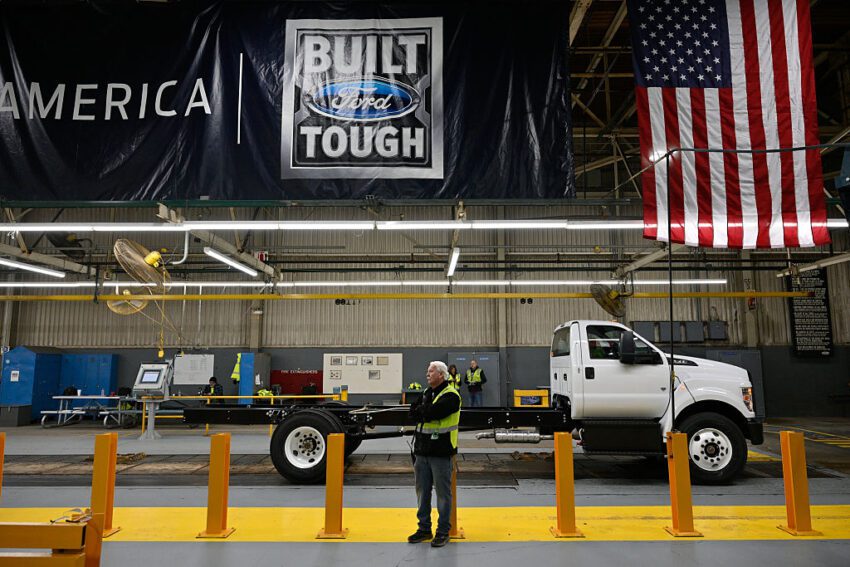
ford rehires gray beard engineers after ai Ford has made the decision to rehire experienced engineers, often referred to as “gray beards,” after facing challenges with its artificial intelligence initiatives.
ford rehires gray beard engineers after ai
Background on Ford’s AI Initiatives
In recent years, the automotive industry has seen a significant shift towards integrating artificial intelligence (AI) into various aspects of vehicle design and manufacturing. Ford, like many other automakers, has invested heavily in AI technologies, believing that these innovations would streamline operations and enhance product quality. However, the company has encountered unexpected hurdles in this transition.
Ford’s initial optimism stemmed from the belief that AI could automate complex processes, reduce human error, and ultimately lead to superior vehicle performance. The company’s executives had anticipated that the introduction of AI would not only improve efficiency but also foster innovation in product development. However, as the implementation progressed, it became clear that the technology was not delivering the anticipated results.
The Challenges Faced
One of the primary challenges Ford faced was the overestimation of AI’s capabilities. As one executive noted, “Mistakenly we thought that by just introducing artificial intelligence … that would produce a high-quality product.” This sentiment reflects a broader trend in the tech industry, where companies often assume that technology alone can resolve complex issues without the necessary human oversight and expertise.
Quality Control Issues
Quality control emerged as a significant concern during the AI rollout. While AI systems are designed to analyze vast amounts of data and identify patterns, they lack the nuanced understanding that experienced engineers possess. This gap became evident when AI-driven processes failed to meet the rigorous standards expected in automotive manufacturing.
Ford’s quality assurance teams reported an increase in defects and inconsistencies in production, leading to costly recalls and damage to the brand’s reputation. The reliance on AI without sufficient human intervention resulted in a disconnect between the technology’s output and the company’s quality benchmarks.
Integration Challenges
Another challenge was the integration of AI systems with existing workflows. Many employees found it difficult to adapt to new technologies, leading to resistance and frustration. The complexity of AI systems often required specialized training, which was not always provided adequately. As a result, the intended benefits of AI were undermined by a lack of user proficiency.
The Decision to Rehire Experienced Engineers
In light of these challenges, Ford’s leadership recognized the need to recalibrate its approach. The decision to rehire seasoned engineers was a strategic move aimed at bridging the gap between traditional engineering practices and modern technological advancements. These “gray beard” engineers bring a wealth of experience and knowledge that can complement AI systems, ensuring that human oversight remains a critical component of the manufacturing process.
Benefits of Experienced Engineers
Experienced engineers possess a deep understanding of automotive design and manufacturing processes. Their ability to identify potential issues before they escalate is invaluable, particularly in a landscape where precision and quality are paramount. By reintroducing these professionals into the workforce, Ford aims to enhance its quality control measures and restore confidence in its production processes.
Moreover, these engineers can provide mentorship to younger employees, fostering a culture of collaboration and continuous learning. This knowledge transfer is essential for maintaining high standards and ensuring that the workforce is equipped to navigate the complexities of modern automotive engineering.
Stakeholder Reactions
The decision to rehire experienced engineers has garnered mixed reactions from stakeholders within the automotive industry. Some industry analysts view this move as a necessary step towards regaining Ford’s competitive edge, while others express concern about the implications for the company’s long-term strategy.
Support from Industry Experts
Many industry experts have praised Ford’s decision, arguing that it reflects a pragmatic approach to the challenges posed by AI. By acknowledging the limitations of technology and valuing human expertise, Ford is positioning itself to deliver higher-quality products. This strategy could ultimately lead to improved customer satisfaction and brand loyalty.
Concerns About Future Innovation
Conversely, some critics argue that relying on experienced engineers may hinder innovation. They contend that an overemphasis on traditional engineering practices could stifle creativity and limit the potential of AI technologies. As the automotive industry continues to evolve, striking a balance between human expertise and technological advancement will be crucial for Ford’s success.
Implications for the Automotive Industry
Ford’s experience serves as a cautionary tale for other automakers exploring AI integration. The challenges faced highlight the importance of a balanced approach that combines the strengths of both technology and human expertise. As the industry moves forward, companies must recognize that AI is a tool to enhance, rather than replace, the invaluable contributions of skilled engineers.
Future of AI in Automotive Manufacturing
Looking ahead, the future of AI in automotive manufacturing will likely involve a more collaborative approach. Companies may seek to develop hybrid systems that leverage the strengths of AI while ensuring that human oversight remains integral to the process. This could involve creating AI tools that assist engineers rather than attempting to replace them entirely.
Furthermore, ongoing training and development will be essential for employees at all levels. As technology continues to evolve, ensuring that the workforce is equipped with the necessary skills will be critical for maintaining competitiveness in the market.
Conclusion
Ford’s decision to rehire experienced engineers underscores the complexities of integrating artificial intelligence into automotive manufacturing. While AI holds significant potential to enhance efficiency and innovation, it is not a panacea. The challenges faced by Ford serve as a reminder that human expertise remains a vital component of quality assurance and product development.
As the automotive industry continues to navigate the intersection of technology and engineering, companies must adopt a holistic approach that values both human insight and technological advancement. By doing so, they can position themselves for success in an increasingly competitive landscape.
Source: Original report
Was this helpful?
Explore more: AI Automation Services More AI & Automation Tech News
Last Modified: June 29, 2026 at 3:37 am
21 views