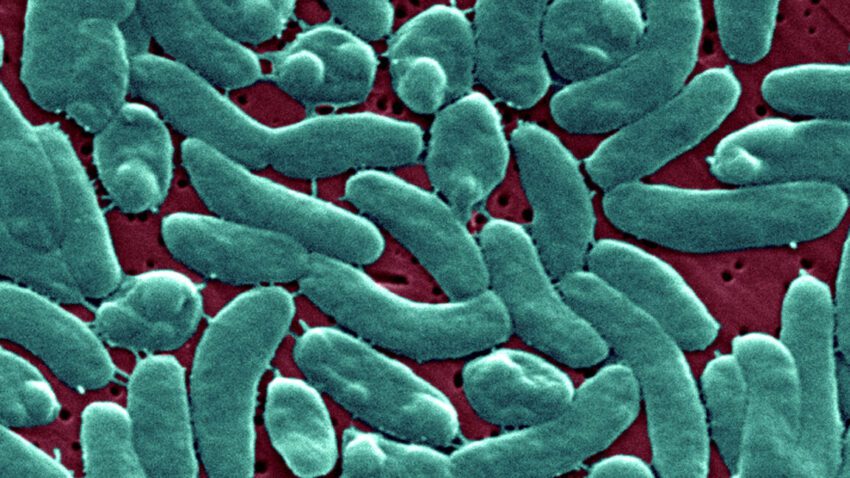
flesh-eating bacteria devour man s arm and A 74-year-old man experienced a rapid and severe deterioration of his health after a brief swim in Florida’s Gulf Coast, ultimately leading to a diagnosis of a flesh-eating bacterial infection.
flesh-eating bacteria devour man s arm and
Incident Overview
The man, who had been enjoying an active lifestyle, jumped into the Gulf waters, inadvertently sustaining a cut on his right leg. This seemingly minor injury quickly escalated into a life-threatening situation. Within just three days, the man’s condition deteriorated dramatically, necessitating emergency medical intervention.
Initial Symptoms
After the incident, the man began to experience significant pain and bruising around the cut on his leg. This was not an isolated symptom; within 48 hours, he noticed alarming changes in his right arm as well. The skin began to change color, indicating a potential systemic issue. The rapid onset of these symptoms is characteristic of necrotizing fasciitis, commonly referred to as flesh-eating disease.
Emergency Medical Response
By the time the man arrived at the emergency department, his condition had worsened considerably. Medical professionals noted several critical signs that indicated a severe infection:
- The lower half of his leg exhibited dark discoloration, a sign of bleeding beneath the skin.
- Doctors detected a crackling sound upon examination, indicative of gas bubbles forming in the tissue—a hallmark of necrotizing infections.
- Some layers of skin were peeling away, further suggesting the extent of tissue damage.
- His arm was red, swollen, and discolored, with a large blood blister, known as a hemorrhagic bulla, forming on the surface.
Diagnosis and Treatment
Upon evaluation, the medical team quickly diagnosed the man with a severe flesh-eating bacterial infection. This type of infection can progress rapidly and is often caused by a combination of bacteria, including Group A Streptococcus and other pathogens. The speed at which the infection developed in this case underscores the aggressive nature of such infections.
The treatment protocol for necrotizing fasciitis typically involves immediate surgical intervention to remove necrotic tissue, along with broad-spectrum intravenous antibiotics to combat the infection. In this case, the urgency of the situation likely necessitated a multi-disciplinary approach, involving surgeons, infectious disease specialists, and critical care teams.
Understanding Necrotizing Fasciitis
Necrotizing fasciitis is a rare but life-threatening condition characterized by the rapid destruction of soft tissue. It can occur following minor injuries, surgical procedures, or even spontaneously without any apparent cause. Key factors that contribute to the development of this infection include:
- Compromised immune systems, which may be due to underlying health conditions such as diabetes or cancer.
- Open wounds or cuts that can serve as entry points for bacteria.
- Exposure to certain environments, particularly warm and moist conditions, which can facilitate bacterial growth.
Risk Factors
While anyone can potentially develop necrotizing fasciitis, certain populations are at a higher risk. These include:
- Individuals with chronic illnesses, such as diabetes or liver disease.
- Those who are immunocompromised due to medications or conditions.
- People with a history of substance abuse, particularly intravenous drug users.
Public Health Implications
The case of the 74-year-old man serves as a stark reminder of the dangers posed by flesh-eating bacteria, particularly in recreational water settings. Public health officials emphasize the importance of awareness and education regarding the risks associated with swimming in natural bodies of water, especially for vulnerable populations.
Preventive Measures
To mitigate the risks associated with necrotizing fasciitis, health experts recommend several preventive measures:
- Avoid swimming in warm, stagnant waters, particularly if you have open wounds.
- Keep any cuts or abrasions clean and covered to reduce the risk of infection.
- Seek immediate medical attention if you notice signs of infection, such as increased pain, swelling, or discoloration.
Stakeholder Reactions
The medical community has expressed concern over the increasing incidence of flesh-eating bacterial infections. Experts have noted that while such cases remain relatively rare, they are becoming more frequently reported, particularly in coastal areas where recreational water activities are prevalent. This trend raises questions about environmental factors, such as water quality and temperature, that may contribute to the proliferation of harmful bacteria.
Research and Future Directions
Ongoing research is crucial to understanding the dynamics of necrotizing fasciitis. Scientists are investigating the specific strains of bacteria responsible for these infections, as well as the environmental conditions that facilitate their growth. Additionally, studies are being conducted to improve treatment protocols and outcomes for affected individuals.
Conclusion
The alarming case of the 74-year-old man underscores the potential dangers associated with seemingly benign activities such as swimming. The rapid progression of his flesh-eating infection highlights the need for vigilance and awareness, particularly among older adults and those with underlying health conditions. As public health officials continue to monitor and address the risks posed by necrotizing fasciitis, it is imperative for individuals to take proactive measures to protect themselves while enjoying recreational water activities.
Source: Original report
Was this helpful?
Explore more: More General Technology Tech News Blog
Last Modified: April 29, 2026 at 7:36 am
15 views